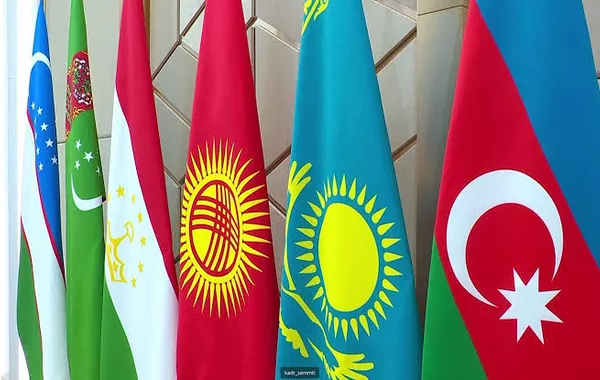
In recent years, Azerbaijan has consistently strengthened its position in the South Caucasus while expanding its engagement with the countries of Central Asia. This process has been supported by Baku’s active foreign policy, the development of transport infrastructure, its energy potential, the modernization of the armed forces, and deeper cooperation within the Organization of Turkic States.
One of the main factors behind Azerbaijan’s changing regional role has been the transformation of Armenian-Azerbaijani relations following the developments of 2020-2023.
For more than three decades, relations between Azerbaijan and Armenia were largely shaped by the Karabakh conflict. After the 2020 war and Azerbaijan’s restoration of control over the Karabakh region in 2023, the two sides gradually moved toward discussions on normalization, a peace agreement, transport links, and economic cooperation.
An important stage in this process was the meeting of the leaders of Azerbaijan, Armenia, and the United States in Washington on August 8, 2025. Talks between Ilham Aliyev and Nikol Pashinyan, with the participation of US President Donald Trump, became part of the broader political settlement process between Baku and Yerevan.
Azerbaijan’s subsequent steps also indicated a shift toward the economic dimension of bilateral relations. By the end of 2025, measures were taken to expand trade and transport contacts, including railway fuel supplies to Armenia.
Changes in the situation surrounding Karabakh also affected Armenia’s foreign policy. Nikol Pashinyan’s government began to place greater emphasis on normalizing relations with Azerbaijan while at the same time reconsidering certain aspects of its relationship with Russia.
Throughout the 1990s, 2000s, and 2010s, Russia played a significant role in the South Caucasus. Moscow was one of the main mediators in the Karabakh settlement process while maintaining military-technical relations with both sides of the conflict.
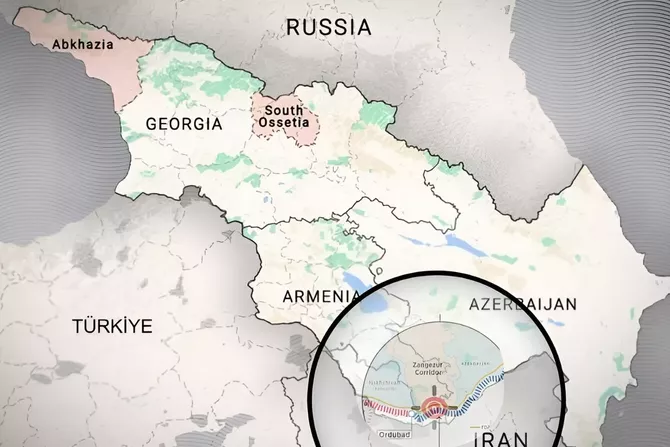
photo: Azernews
After 2020, however, the regional balance began to change. Azerbaijan’s ability to independently define its foreign and security policy priorities increased, while Russia’s relative influence over processes between Baku and Yerevan declined.
The Central Asian dimension is also important when assessing Azerbaijan’s regional potential.
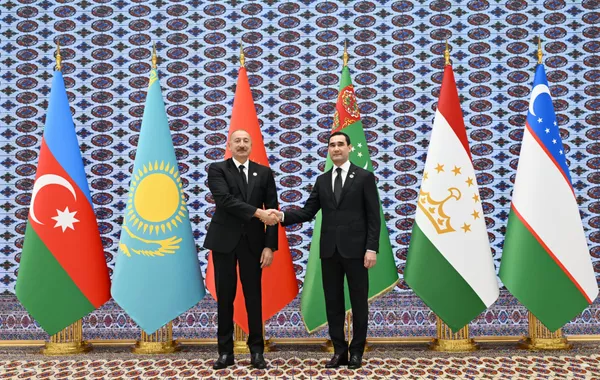
Since 2021, Azerbaijan’s political, economic, and transport ties with Kazakhstan, Kyrgyzstan, Uzbekistan, and Turkmenistan have steadily expanded. The main areas of cooperation include trade, energy, transport, logistics, military-technical contacts, and cultural and humanitarian relations.
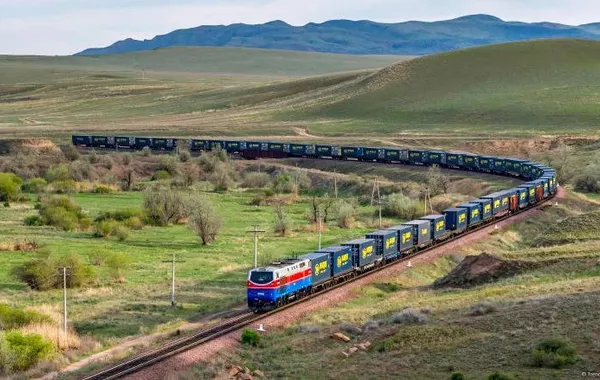
Azerbaijan’s geographic position is of particular importance. Routes passing through its territory connect Central Asia with the South Caucasus, Türkiye, and European markets.
As traditional transport routes undergo changes, the importance of the Trans-Caspian International Transport Route, also known as the Middle Corridor, is increasing. Within this system, Azerbaijan serves as one of the key transit links between Central Asia and Europe.
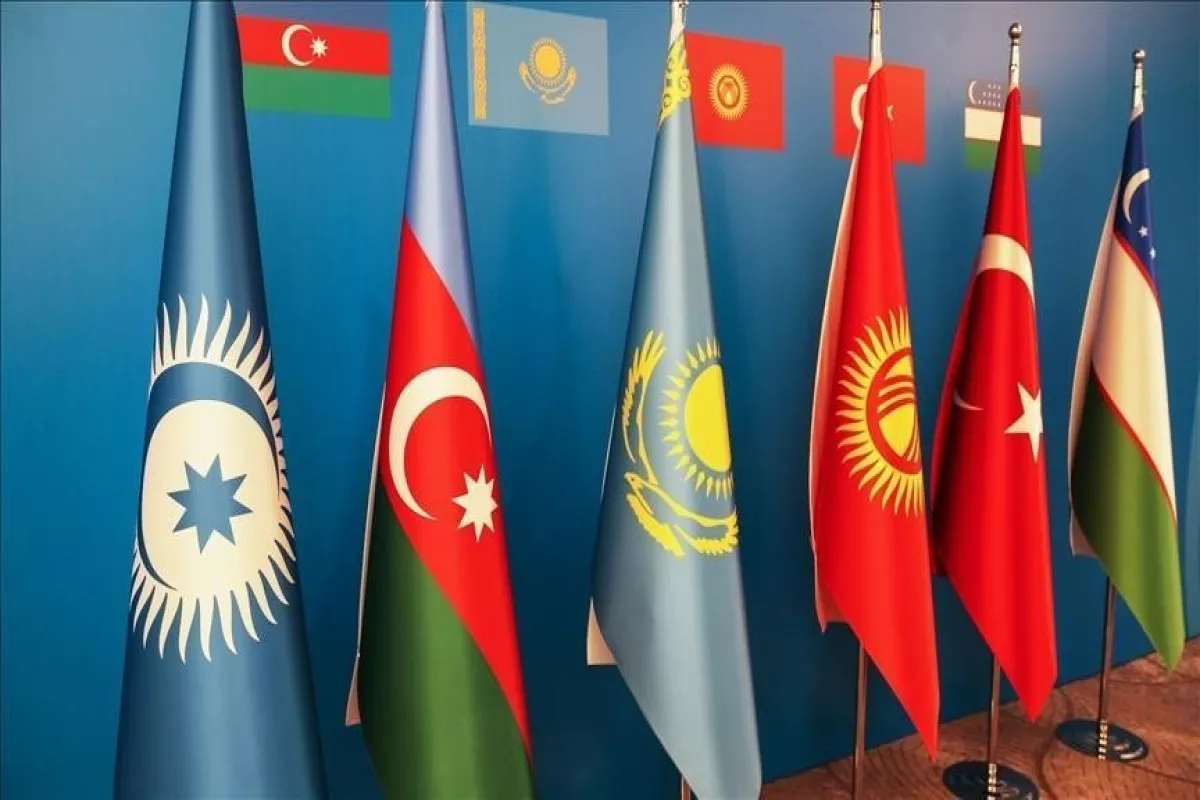
Another factor contributing to Baku’s growing influence is the Organization of Turkic States.
Azerbaijan and Türkiye support deeper cooperation among Turkic-speaking states in the fields of economy, transport, energy, security, and humanitarian affairs. In recent years, interaction within the organization has gradually moved beyond a primarily political and cultural framework toward more practical forms of cooperation.
For Central Asian states, this format offers an opportunity to diversify foreign policy and economic ties while expanding cooperation with Türkiye, Azerbaijan, and other members of the organization.
The broader geopolitical environment is also contributing to this process.
The Russia-Ukraine war has led to a redistribution of Russian political, military, and economic resources. The United States remains heavily involved in developments in the Middle East and in its relations with Iran and China, while European states continue to devote considerable attention and resources to Ukraine.
Under these conditions, Central Asian countries are seeking to broaden the range of their external partners.
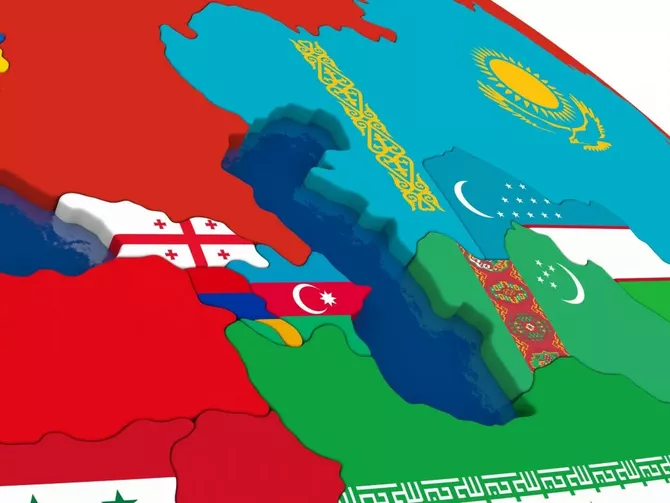
photo: USC Global Policy Institute
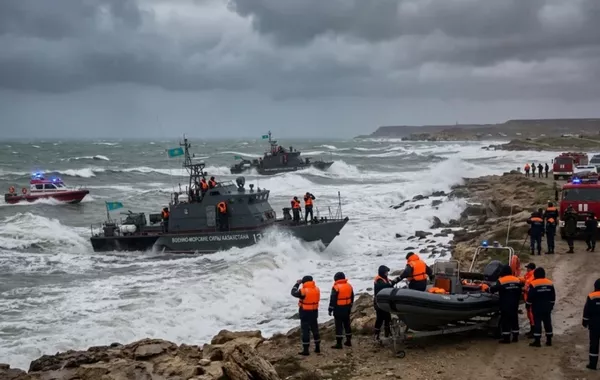
At the same time, the region continues to face a number of long-term challenges, including terrorism and extremism, drug trafficking, instability related to Afghanistan, water, energy and food security, as well as the risks of interstate and local conflicts.
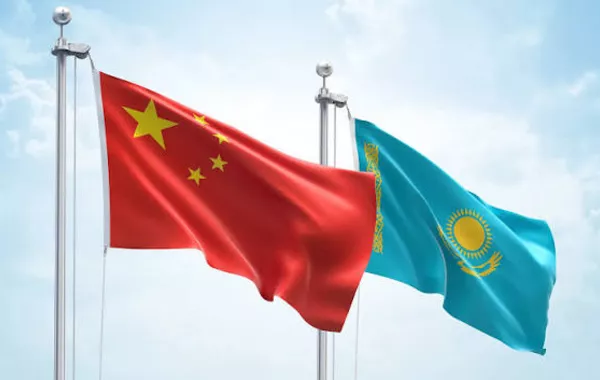
Over the next 10-20 years, China, Türkiye, and Azerbaijan may play an increasingly visible role in Central Asia’s external relations.
Their capabilities, however, differ considerably. China remains a global economic and political power. Türkiye possesses substantial military, political, and economic potential. Azerbaijan has fewer resources, but its importance is determined by its geographic location, energy capabilities, transport infrastructure, and close ties with the Turkic world.
Azerbaijan’s internal transformation also deserves attention.
Over the past three decades, oil and gas revenues have been used to develop infrastructure, modernize the armed forces, strengthen state institutions, and build elements of a national defense industry.
Energy resources alone, however, do not determine whether a country can be considered a regional power. More important is the ability to convert economic resources into diplomatic, transport, military, and institutional capacity.
From this perspective, Azerbaijan today possesses a number of characteristics associated with a regional state capable of influencing developments beyond its own borders.
Baku plays an active role in shaping the political agenda of the South Caucasus, occupies an important position in transport routes linking Asia and Europe, is expanding its relations with Central Asian states, and remains one of the most active members of the Organization of Turkic States.
For Kyrgyzstan, certain elements of Azerbaijan’s experience may be of practical interest.
A direct replication of the Azerbaijani model is not possible because of differences in geography, natural resources, and economic structure. Nevertheless, Azerbaijan’s experience in pursuing a multi-vector foreign policy, developing transport infrastructure, strengthening defense capabilities, and making use of its geographic position deserves closer examination.
Overall, Azerbaijan’s regional role has changed considerably in recent years. The country is gradually moving beyond an exclusively South Caucasus-focused agenda and expanding its political, economic, and transport presence in Central Asia.
This process makes it possible to view Azerbaijan as a state with growing regional influence. The future scale of that influence will depend on economic performance, transport projects, relations with neighboring states, and the broader balance of power in the South Caucasus and Central Asia.