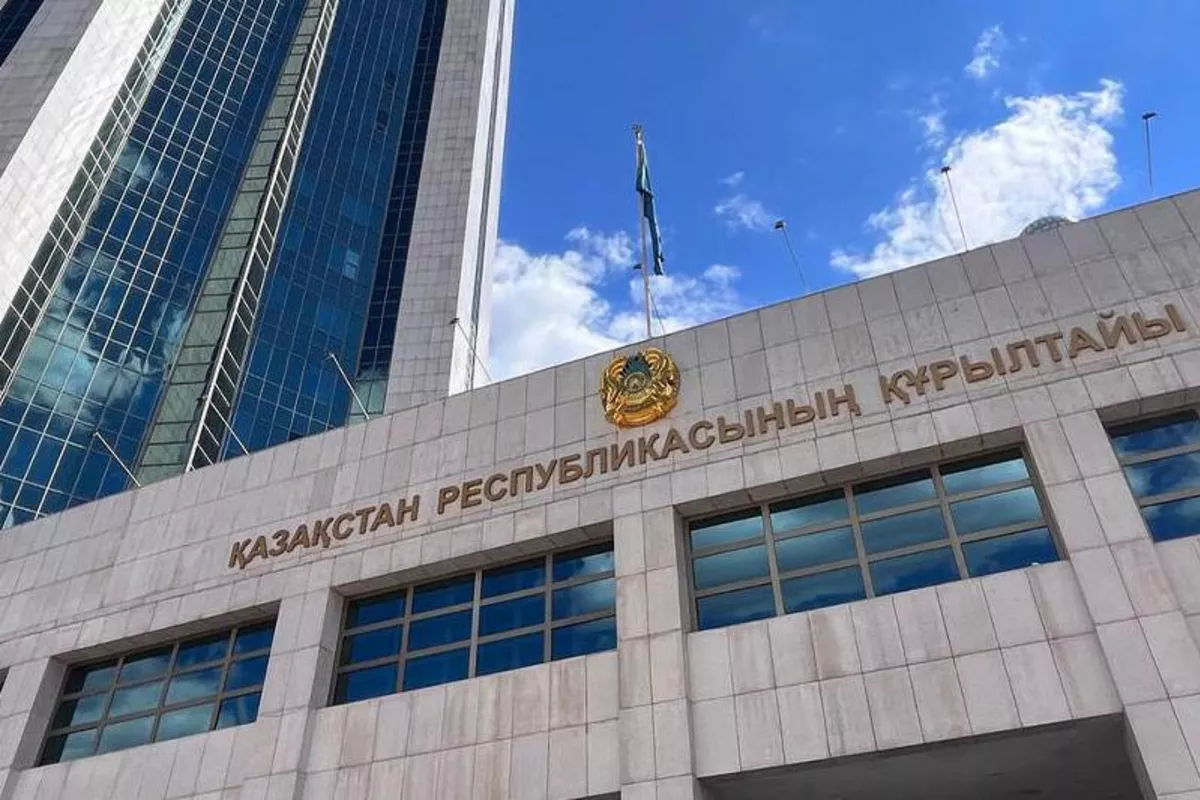
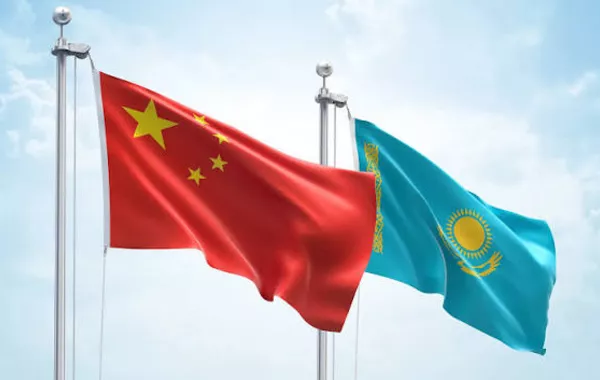
Kazakhstan has completed its first elections to the new unicameral Kurultai. Seven political parties contested the election. According to preliminary figures, voter turnout reached 74.08%, with 9,351,539 citizens casting their ballots.
This is an important political development for the country. Following the entry into force of constitutional amendments on July 1, 2026, the former bicameral Parliament - the Mazhilis and the Senate - was replaced by a unicameral Kurultai. The new legislature has 145 seats.
I participated in this campaign as a candidate, and I therefore believe it is important to examine the new system not only from the perspective of political competition, but above all in terms of what it should deliver for the citizens of Kazakhstan.
Why a Unicameral System?
Historically, the unicameral model is not entirely new to Kazakhstan. The country already had a unicameral system in the early 1990s.
In my view, its restoration today is primarily connected with the need to make the legislative process more efficient. Previously, draft laws had to pass through two chambers - the Mazhilis and the Senate. They will now be considered within a single chamber.
This could indeed accelerate decision-making. Such responsiveness matters in an environment shaped by a rapidly changing economy, technological advances, and external challenges.
However, speed must not become an end in itself. Passing a law quickly does not necessarily mean passing a good law. Comprehensive expert evaluation, public debate, and opportunities for different opinions to be heard must be preserved.
The main task of the new Kurultai is therefore to find a balance between legislative efficiency and quality.
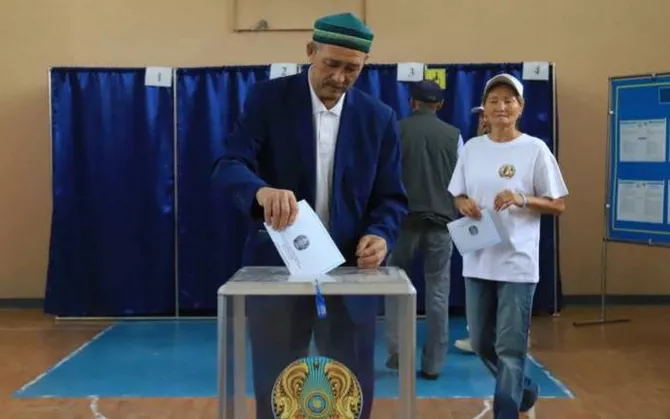
photo: Daryo.uz
Seven Parties - More Opportunities for Competition
One of the key features of this election was the participation of seven political parties. In my view, this is an important element of the new parliamentary system, as political diversity makes it possible to represent different views and approaches.
The greater the number of political forces involved in the legislative process, the more important competition among programs and ideas becomes. However, the mere presence of several parties does not automatically amount to genuine political competition. Such competition must be reflected in substantive platforms, parliamentary debates, and concrete proposals.
Not all parties, however, managed to cross the 5% electoral threshold.
According to the preliminary results, the votes were distributed as follows:
· Adilet Party - 71.17%;
· Auyl Party - 6.26%;
· Respublica Party - 5.56%;
· Democratic Party of Kazakhstan “Ak Zhol” - 5.21%;
· Nationwide Social Democratic Party - 5.11%;
· People’s Party of Kazakhstan - 3.11%;
· Kazakhstan Green Party “Baitaq” - 1.07%.
Another 2.51% of voters selected the “against all” option.
Five political parties therefore crossed the electoral threshold, while the People’s Party of Kazakhstan and Baitaq failed to secure the required 5% of the vote.
For me, this result is first and foremost an occasion for serious analysis. Every election provides political parties with feedback from society. It is important to understand which expectations of voters were addressed, which remained unanswered, how effectively parties communicated with citizens, and what must be changed in their future work.
It should also be noted that the election has considerably strengthened the position of the Adilet Party, which secured 71.17% of the vote and 110 of the Kurultai’s 145 seats. This overwhelming representation gives the party the ability to pass most legislation independently and make major decisions at the national level.
In effect, the party will be able to shape the Kurultai’s principal legislative agenda. Given this distribution of seats, it will be difficult for other political factions to exert significant influence over decision-making. This makes political competition, parliamentary debate, and the ability of the minority to defend alternative positions particularly important.
Why Does Parliament Need an Opposition?
I believe that opposition is essential to any modern parliamentary system. Its role, however, should not be limited exclusively to criticizing the authorities.
The opposition must propose alternative solutions, draw attention to existing problems, and encourage the parliamentary majority to seek more effective answers.
For me, political competition is therefore not conflict for its own sake, but a mechanism for finding the best solutions for the country.
If we want to build an open society, we must create the conditions necessary for political competition. I identify closely with Karl Popper’s concept of the open society: a state becomes stronger when it is capable of accepting criticism, discussing alternatives, and changing its decisions when necessary.
Kazakhstan must gradually develop a political culture in which criticism is viewed not as a threat, but as an instrument for improving public policy.
What Did International Observers Find?
The participation of international observers, including the OSCE Office for Democratic Institutions and Human Rights, deserves particular attention.
In its preliminary findings, the OSCE/ODIHR mission noted that the election was technically well prepared and generally administered in a professional manner. At the same time, observers raised several issues concerning political pluralism, the media environment, and the transparency of certain procedures.
I believe these observations should be considered carefully. International assessments should be viewed not only as criticism, but also as an opportunity to identify which elements of the country’s political and electoral systems require further improvement.
Media pluralism is especially important. Citizens must be able to encounter different positions, compare political platforms, and reach their own conclusions.
Political competition does not begin on election day. It begins with the freedom political parties have to present their ideas and the extent to which society has access to different points of view.
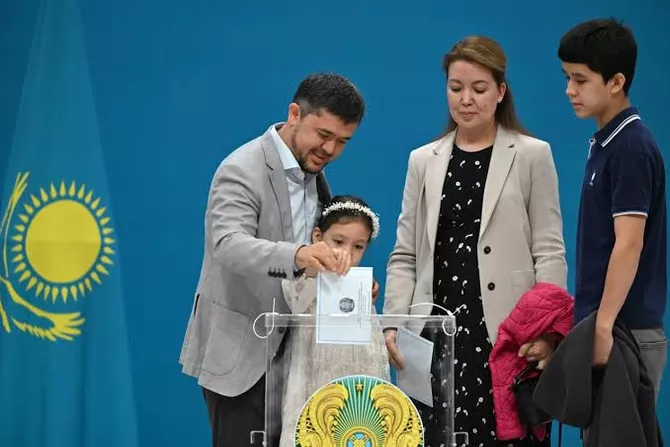
photo: The Astana Times
The Kurultai Must Be Closer to Citizens
Changing the structure of parliament does not in itself guarantee that the legislature will become more effective.
Members of parliament should not remember their voters only when the next election campaign begins. They must work continuously with citizens’ appeals, regional problems, and public initiatives.
Citizens should understand what issues their representatives are raising and what concrete changes have resulted from their work.
The effectiveness of the new Kurultai will therefore be determined not only by the number of laws it passes, but also by the extent to which its decisions address the real needs of society.
Education, Science, and Cooperation with China
This subject is also particularly important to me professionally. I am an associate professor at the International University of Information Technology and specialize in education and science.
Today, parliament must look not only at immediate problems, but also at the prospects for the coming decades. Education, science, artificial intelligence, digitalization, and the training of skilled professionals are directly connected with Kazakhstan’s competitiveness.
International cooperation is also of particular importance. I believe that Kazakhstan has significant opportunities to further develop its relations with China in education, science, and technology.
I studied at Beijing Language and Culture University, and I therefore understand the importance of academic exchanges, learning from China’s experience, and expanding ties between the universities and research institutions of our two countries.
Kazakhstan must develop its own educational and scientific model while drawing on the best international experience. Joint educational programs, academic exchanges, scientific research, digital technologies, and the training of specialists for emerging sectors of the economy could prove particularly promising.
What Should the New Kurultai Ultimately Deliver?
Kazakhstan now has a new parliamentary architecture. However, replacing a bicameral system with a unicameral one does not automatically guarantee a more effective parliament.
The Kurultai’s success will depend on several factors: the quality of legislation, genuine political competition, the transparency of parliamentary work, the ability of members to listen to citizens, and their readiness to consider different opinions.
The unicameral model can indeed make the legislative process faster. But this advantage will be meaningful only if legislative quality is preserved alongside speed.
My principal hope is that the new Kurultai will become an institution of responsible representation in which ideas, programs, and concrete solutions for Kazakhstan’s development compete - not slogans and personalities.
Ultimately, the main criterion is very simple: to what extent will the decisions of the new Kurultai benefit citizens and improve people’s lives? It is by this outcome that society will judge the new parliamentary system.