Strategic Governance Takes Shape in Reforming Kazakhstan
Kazakhstan is undergoing a significant shift in how it structures and manages state institutions, as strategic governance increasingly takes center stage in the country’s reform agenda. In a recent analysis for The Diplomatic Insight, Dr. Farhat Asif explores how this transformation reflects a broader commitment to strengthening policy coherence, enhancing institutional capacity, and aligning Kazakhstan’s governance framework with the demands of a more complex global environment.
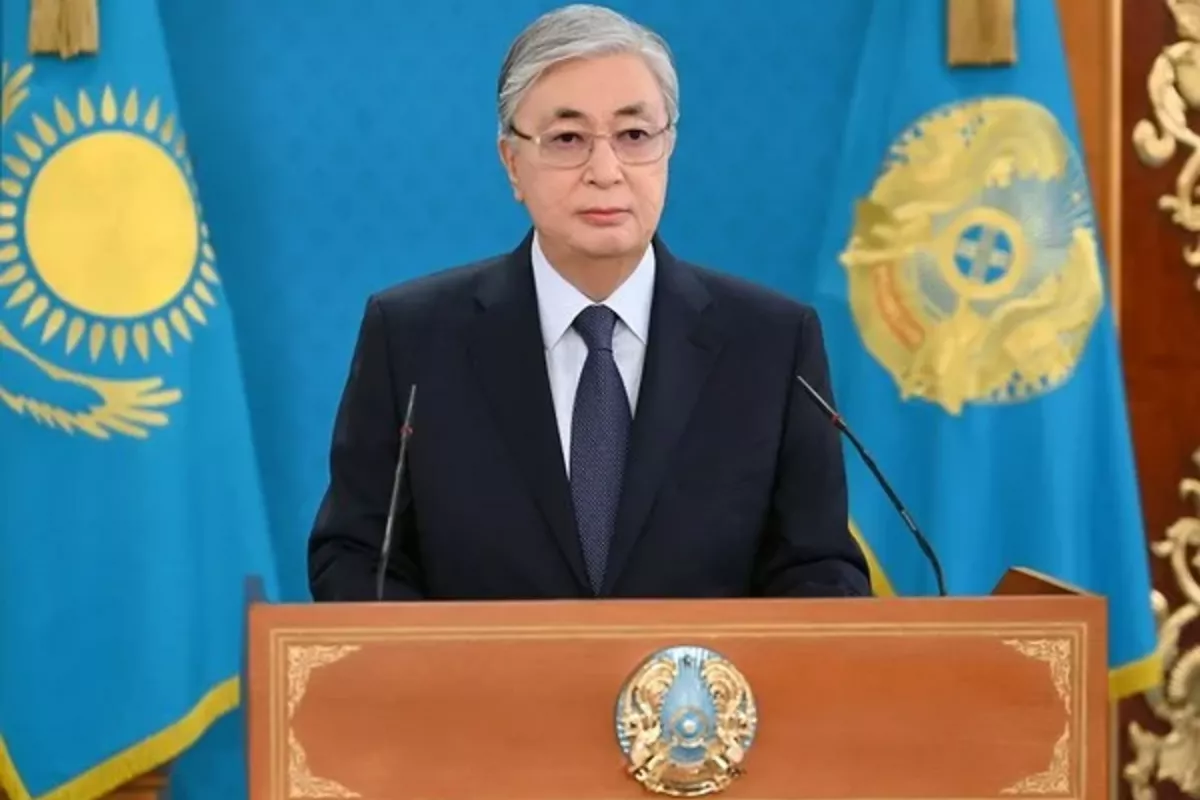
President Kassym-Jomart Tokayev’s address at the National Kurultai on 20 January 2026 marks a central moment in Kazakhstan’s political evolution. The comprehensive package of constitutional and institutional reforms represents a strategic recalibration designed to position Kazakhstan for the complexities of 21st century governance. Going beyond administrative adjustments, these reforms focus on maintaining stability in an increasingly volatile international environment, The Caspian Post republishes the article.
Since adopting its constitution in 1995, Kazakhstan has navigated the delicate balance between preserving its unique national identity and embracing modern statehood. The 2022 constitutional amendments, which decentralized power and strengthened parliamentary oversight, laid critical groundwork for the current transition. The Kyzylorda address represents the natural progression of this trajectory: formalizing presidential succession rules, establishing a Vice President position, and transitioning to a fundamentally new constitutional model through national referendum.
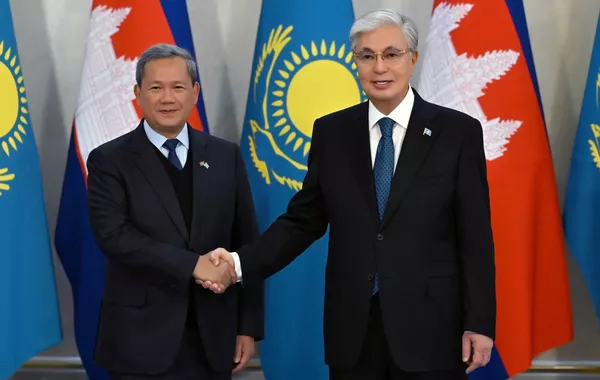
The timing of these proposals merits consideration. Kazakhstan currently chairs the Eurasian Economic Union while simultaneously pursuing ambitious transit corridor development connecting East-West and North-South trade routes. In this context, the Vice President role provides institutional capacity for complex multilateral diplomacy at a moment when Kazakhstan’s geopolitical significance is ascending.
By clarifying succession mechanisms now, Kazakhstan signals to international partners, from Beijing to Brussels, that leadership transitions will be predictable and institutionalized, a crucial element for attracting long-term investment in infrastructure and digital economy projects.
The reforms address multiple strategic imperatives simultaneously. Economically, Kazakhstan faces the challenge of protecting domestic agricultural producers from subsidized EAEU imports while maintaining commitment to regional integration. The emphasis on food security reflects real vulnerabilities, particularly as climate variability affects Central Asia’s agricultural patterns.
The proposed infrastructure investments, including the Beineu-Sekseuil highway that will shorten the Middle Corridor by approximately 900 kilometers, require substantial fiscal resources during a period of global economic uncertainty and commodity price volatility.
Digital transformation and artificial intelligence feature prominently as strategic priorities, with the President proposing to enshrine digitalization’s institutional foundations in the Constitution itself. The creation of National Digital Heritage to systematize archival materials and cultural works in digital form demonstrates sophisticated understanding that nations retaining agency in the digital age must actively integrate their cultural identity into global digital civilization. Building high-capacity data centers, however, demands both capital investment and technical expertise that takes years to develop.
The cultural dimension of these reforms deserves particular attention. President Tokayev explicitly linked cultural development to political reform success, arguing that constitutional changes must be accompanied by transformation of public consciousness. The seven-volume academic history of Kazakhstan, modernization of museums and theaters, and promotion of heritage through UNESCO mechanisms reflect a comprehensive strategy to strengthen national values while engaging globally. This cultural-political synthesis distinguishes Kazakhstan’s approach from purely technocratic reform models elsewhere in the region.
Yet the reforms would have to overcome some challenges. The transition to a unicameral parliament of 145 deputies elected exclusively through proportional representation, while streamlining governance, requires genuine buy-in across Kazakhstan’s diverse regional communities. The success of the national referendum depends not only on approval percentages but on fostering authentic civic engagement that extends beyond the vote itself. Constitutional reforms must translate into changed institutional behavior to meet its objectives.
Geopolitically, Kazakhstan’s balancing act grows more complex as great powers increasingly demand alignment rather than neutrality. The multi-vector foreign policy that served Kazakhstan well in the post-Soviet period now operates in an environment of declining international trust, eroding international law, and rising militarization; precisely the conditions President Tokayev identified.
Kazakhstan’s international engagement framework can prove well-suited for managing simultaneous partnerships with Russia (security, EAEU), China (Belt and Road, trade), and the West while preserving sovereign decision-making.
The opportunities, nevertheless, are immense. A modernized, digitally advanced Kazakhstan with clarified governance structures and strong cultural institutions can serve as a stable anchor for Central Asian security and a reliable partner for global initiatives.
The emphasis on coal reserves (approximately 33 billion tons) developed with modern technologies, accelerated gas field development, and strategic infrastructure investments positions Kazakhstan to leverage its geographical advantages while diversifying beyond traditional oil dependency.
For these reforms to achieve their full potential, several factors prove essential: sustained implementation through 2029 and beyond, international partnership on technical capacity building, genuine public participation in the constitutional transition, and regional cooperation frameworks that align incentives rather than create zero-sum competitions.
Kazakhstan’s path forward represents a pragmatic bet that institutional modernization, digital transformation, and cultural confidence can coexist with political stability. If successfully implemented, these reforms will establish Kazakhstan as a model for how medium-sized nations can navigate great power competition while maintaining sovereign agency. The national referendum will be the crucial first test of whether Kazakhstan’s reformist trajectory can inspire confidence in peaceful, institutionalized political evolution.