How Azerbaijan Ended the Minsk Group and Changed the Region
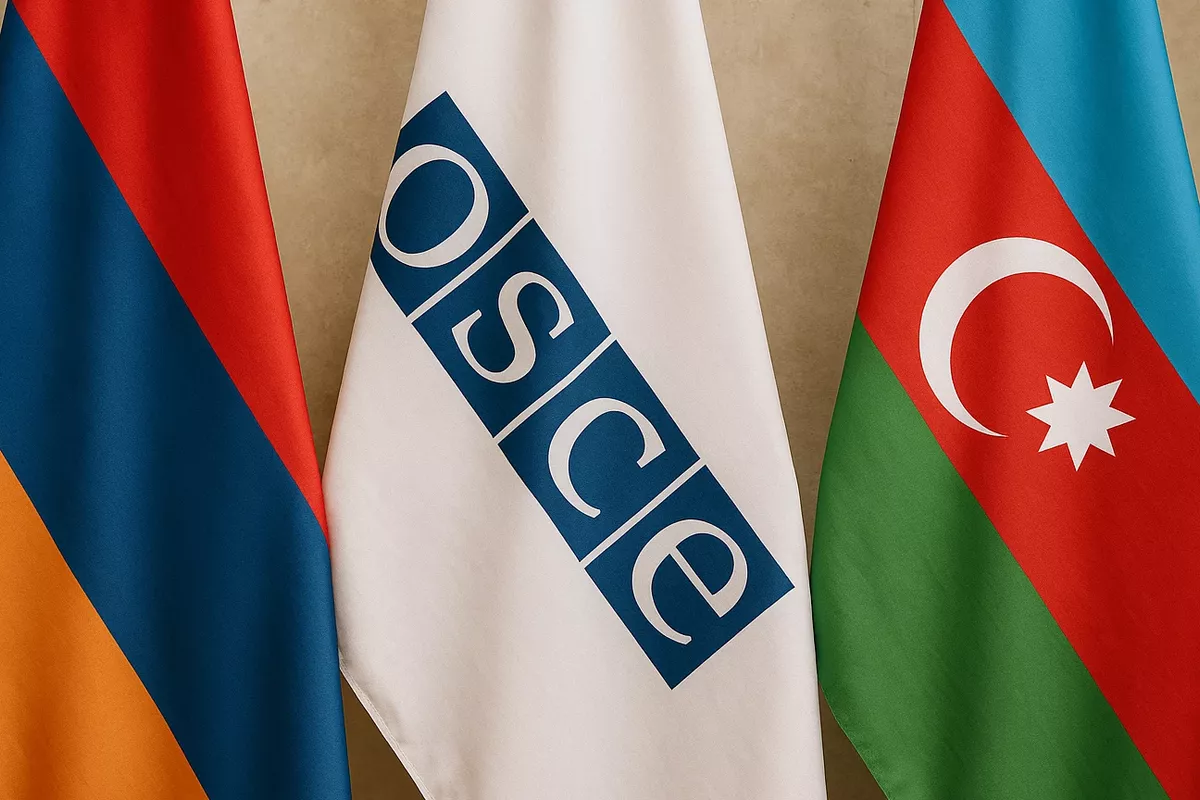
The dissolution of the OSCE Minsk Group is not merely the closure of a formal structure; it marks the definitive end of a long-running model of “managed instability” in the South Caucasus.
For more than three decades, this mechanism stood at the center of international diplomacy, yet it failed to deliver either a just settlement or a credible mediation framework. What happened today is, in essence, the complete collapse of a mediation architecture designed and maintained by major powers - the United States, Russia and France. For Azerbaijan, this is not only the end of an outdated mechanism, but also the international confirmation of the new geopolitical reality that Baku itself created. Azerbaijan ended this game through its own will and strength.
When the Minsk Group was established in 1992, it was, on paper, meant to facilitate a diplomatic solution to the Armenia-Azerbaijan conflict. The political weight of the three co-chairs was supposed to ensure results. In reality, however, the platform quickly became an arena for geopolitical rivalry among the great powers. The United States and France politically shielded Armenia, while Russia viewed the South Caucasus as an integral part of its sphere of influence. Under such conditions, real and fair mediation was impossible. Azerbaijan warned for years that the Minsk Group was not solving the conflict - it was freezing it. Thirty years of experience proved Baku right.
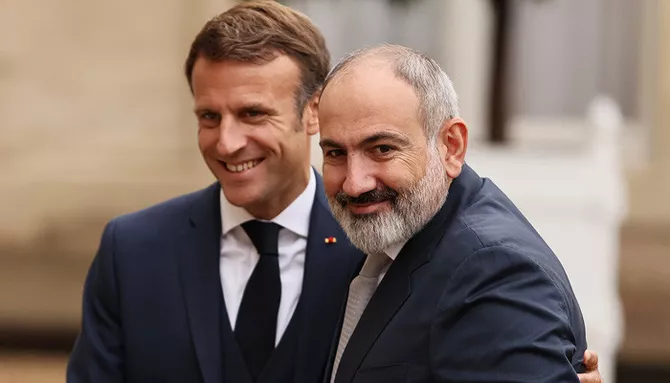
Photo credit: Armenpress
President Ilham Aliyev made this point explicitly in late 2020 during his meeting with the co-chairs. His remarks reflected the essence of the problem: the conflict had already become history, and the Minsk Group had played no meaningful role in resolving it. It had the mandate, it had the time and it had the resources, but it had no results.
One of the most problematic aspects of the Minsk Group was its attempt to equate the aggressor with the victim. Under the label of a “balanced approach,” Armenia’s occupation was downplayed while Azerbaijan was expected to defend its legitimate rights alone in international arenas. The group’s supposed neutrality distorted the essence of the conflict and effectively shielded Armenia from responsibility. This was not mediation; it was a mechanism that kept the situation stagnant and unresolved.
Another fundamental flaw was the lack of pressure tools. The co-chair states had enough leverage to compel Armenia toward a constructive solution, yet none of them used it. Armenia served as a symbolic partner for the West, and for Russia the presence of unresolved tension in the region was a convenient means of influence. As a result, the Minsk Group had no incentive to resolve the conflict; its very existence depended on the continuation of the conflict.
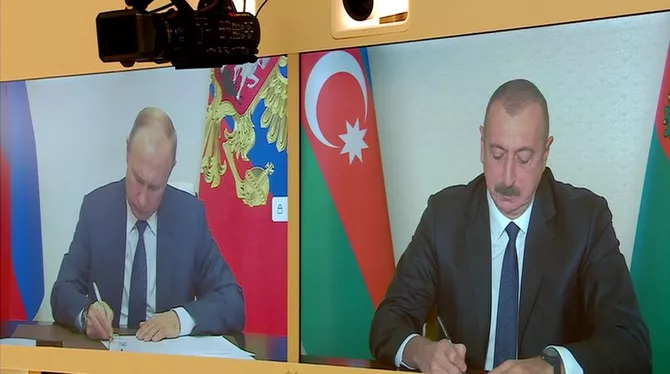
Photo: Azertac
After the 2018 change of power in Armenia, the situation became even worse. The new government increased its maximalist rhetoric, attempted to legitimize separatist structures and introduced impossible demands. The negotiating process became practically meaningless. The co-chairs issued repetitive statements, made symbolic visits and maintained the illusion of activity, while Azerbaijan increasingly moved toward a real solution.
The 44-day Patriotic War was the moment the Minsk Group lost all political legitimacy. Azerbaijan changed the status quo through its own strength, liberated its occupied territories and restored full control over its borders. What the Minsk Group failed to achieve in 30 years, the Azerbaijani Army achieved in 44 days. From that moment on, the group had no mandate, no subject and no function. The conflict was resolved - not by diplomacy, but by justice restored on the battlefield.
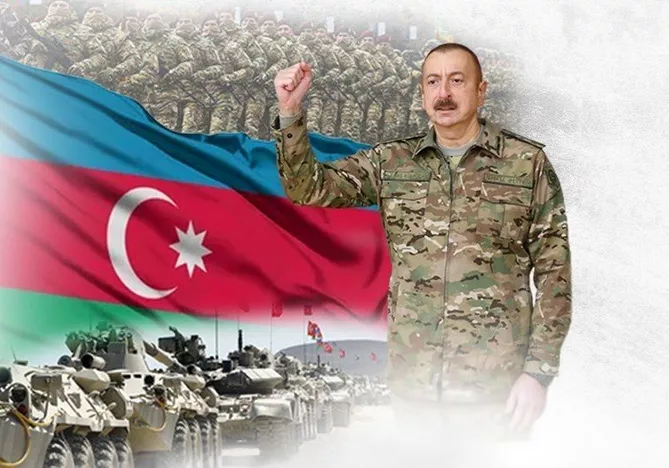
Photo credit: Trend
After the war, President Ilham Aliyev’s message to the co-chairs - “I did not invite you here” - was an ultimatum expressed in diplomatic language. It signaled that the Minsk Group was finished both politically and practically. Between 2023 and 2025, the group became entirely irrelevant, and even Armenia was forced to accept this reality during the Washington process. Finally, in 2025, the OSCE Ministerial Council formally confirmed the group’s dissolution. This was more than a procedural step; it was the official recognition of Azerbaijan’s diplomatic victory.
Today, there is no conflict in the region, no separatism and no platform where the Minsk Group could play even a symbolic role. The new regional reality has been shaped, implemented and secured by Azerbaijan. Order in the South Caucasus is now determined not by external powers but by the region itself, and first and foremost, by Azerbaijan.
The dissolution of the Minsk Group marks the end of a thirty-year diplomatic burden for Azerbaijan. It is both liberation from an ineffective past and acknowledgment of a new regional order. It is the triumph of Azerbaijan’s sovereign foreign policy and the collapse of outdated mediation monopolies. Azerbaijan closed a frozen diplomatic chapter and drew the new political map of the South Caucasus with its own hands.