Kazakhstan’s Transformation: A New Architecture of Power as an Instrument for Accelerated Development
Kazakhstan’s current stage of political transformation is a natural continuation of the process that began in 2019. State reform has evolved gradually, passing through several successive stages. The period from 2019 to 2022 can be described as a time when public expectations accumulated, political demand for change took shape, and the principal directions of the country’s renewal were defined.
After 2022, the need for an accelerated restructuring of the state apparatus became particularly evident. Dramatic geopolitical shifts, the transformation of global markets, disruptions to traditional supply chains, and growing international competition required Kazakhstan to develop a more responsive and flexible system of governance. Geopolitical challenges became a powerful catalyst for accelerating political and economic transformation.
During the initial stage, certain governance mechanisms established over previous decades began to be dismantled. The existing system for reconciling interests, distributing influence, and maintaining a balance among different elite groups was revised. This was followed by the formation of a new administrative and institutional chain of command capable of ensuring effective governance amid a rapidly changing external environment.
Constitutional reform became one of the most important milestones. Alongside other changes, it established the legal foundations for the incumbent president to participate in elections after the completion of his current term. This factor is of fundamental importance from the perspective of political continuity and strategic predictability. Foreign investors, domestic businesses, and the country’s economic elite now have a clearer understanding that the declared course can be implemented consistently and that the reforms already underway can be brought to their logical conclusion.
The renewal process has also affected Kazakhstan’s party-political landscape. Since 2022, the country’s political parties have undergone extensive internal restructuring: new political forces have emerged, the leadership of several organizations has changed, and the mechanisms for representing public interests have been revised. The leading party of power has also experienced transformation. The emergence of a new political association incorporating the former party led to a redistribution of internal centers of influence and decision-making authority.
These changes have been clearly reflected in the composition of parliament. Some political forces that previously held parliamentary seats have lost their positions, while new parties have gained the opportunity to participate in the legislative process. The formation of a unicameral parliament with a dominant political force has become another element of the emerging institutional architecture.
In this context, the key question is not so much whether presidential power has been strengthened, but for what purposes that power is being consolidated. Power cannot be regarded as an ultimate political objective in itself. Its effectiveness is determined by the state’s ability to carry out reforms, ensure economic growth, maintain social stability, and implement a long-term development strategy.
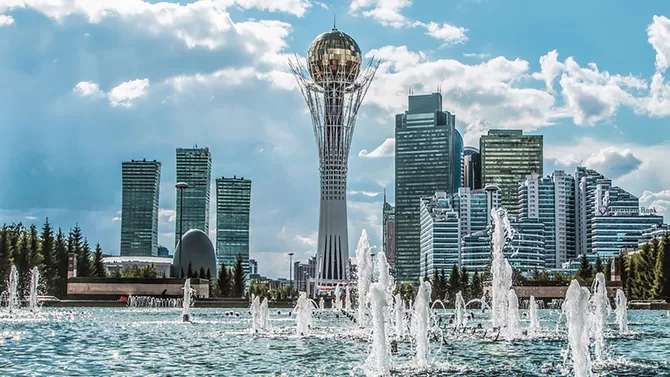
photo: getty images
The strengthening of the presidential chain of command should therefore be viewed as an instrument for accelerating reforms. Kazakhstan must complete its institutional transformation, make it systematic and irreversible, and, most importantly, translate political decisions into tangible economic results. The country faces major challenges in industry, infrastructure, energy, transport, digitalization, and regional development.
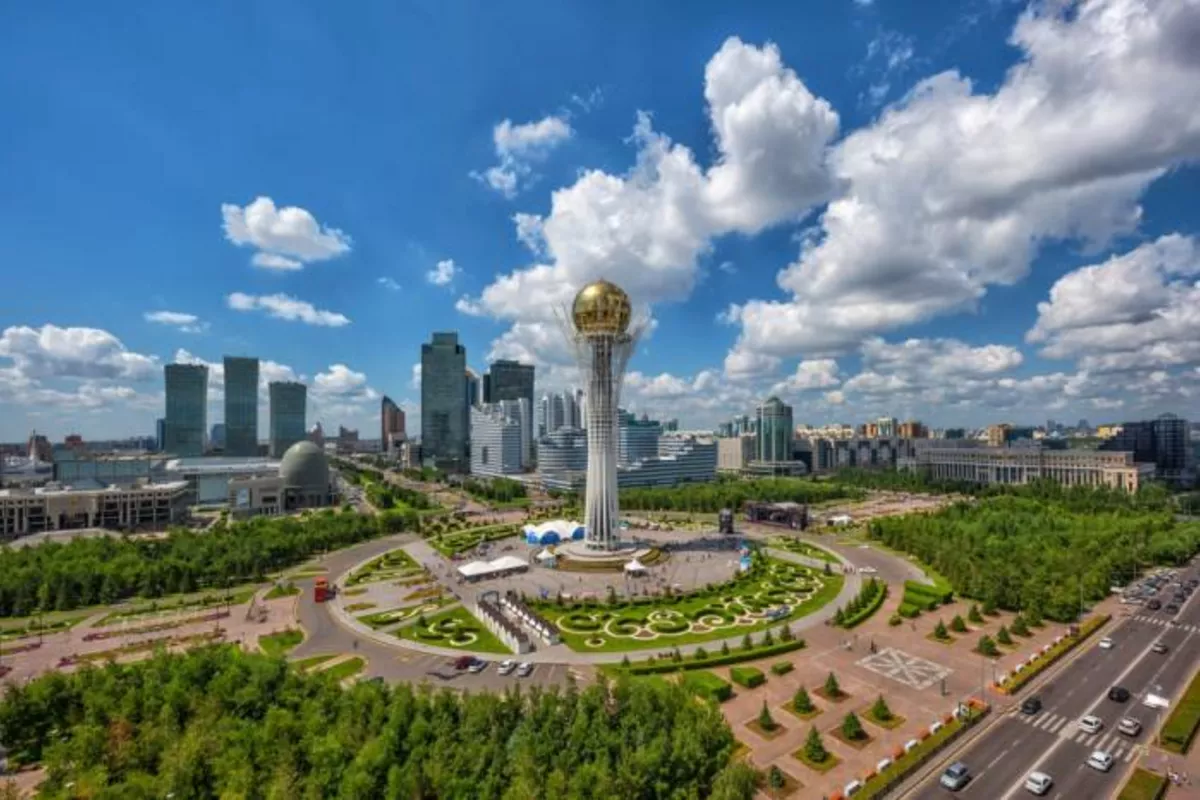
The president’s statement that Kazakhstan should become one vast construction site reflects not merely a figurative political slogan, but a practical model for the country’s development. It envisages large-scale infrastructure modernization, the creation of new production facilities, the expansion of transport corridors, the construction of social infrastructure, and the development of modern economic centers across the regions.
Implementing such plans requires rapid decision-making. Reforms can no longer be stretched over decades: the geo-economic and geopolitical environment is changing far more quickly than before. States whose governance systems respond slowly to external challenges lose competitiveness and become more vulnerable to crises.
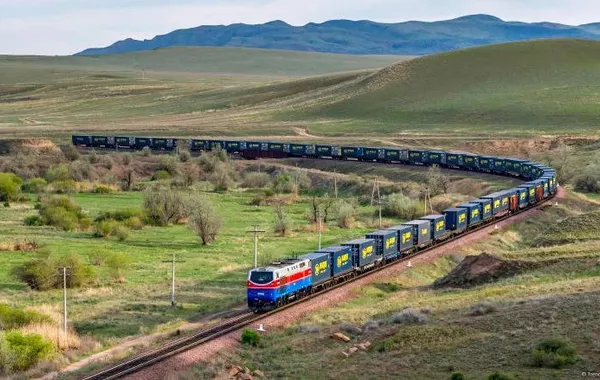
For Kazakhstan, the cost of delay is particularly high. The country occupies a strategic position between Eurasia’s largest markets, possesses substantial natural resources, and aspires to become one of the central links in emerging transport and logistics routes. To take advantage of this historic window of opportunity, the state system must act in a coordinated, responsive, and strategically consistent manner.
The current strengthening of the presidential chain of command should therefore be seen as the creation of a new and resilient institutional system. Its purpose is to consolidate the architecture of reform, ensure continuity of the political course, and establish the conditions necessary for long-term economic growth.
The principal measure of this model’s success will be its practical results. If the concentration of administrative resources accelerates modernization, improves public welfare, promotes regional development, enhances the quality of state institutions, and strengthens Kazakhstan’s international position, it will gain both public and historical legitimacy. If, however, institutional centralization becomes an end in itself, its political potential will remain limited.
Kazakhstan is therefore entering a decisive phase of transformation. The dismantling of the previous mechanisms is gradually being completed, while the task of building a new system of governance is coming to the forefront. Its effectiveness will determine the country’s ability to preserve stability, capitalize on changes in the global economy, and assume a more prominent role in the emerging architecture of Eurasia.