Uzbekistan’s Education Reforms: Building on Progress and Advancing Quality
Over the past decade, Uzbekistan has expanded access to education. The next step is to ensure that these opportunities translate into better learning outcomes and the skills needed in a changing economy.
This should guide the next phase of reform. Expanding enrolment, renewing infrastructure and attracting investment have laid essential foundations. The impact of these efforts will depend on how effectively education prepares people to think independently, secure meaningful employment and contribute to national development.
The scale of change is significant. Pre-school enrolment increased from 25.4 per cent in 2017 to 78 per cent in 2025. Higher education participation among 18- to 23-year-olds rose from 7.2 per cent in 2016 to 47.7 per cent in 2024. These changes have expanded opportunities from early childhood education to higher education qualifications that help young adults enter the workforce.
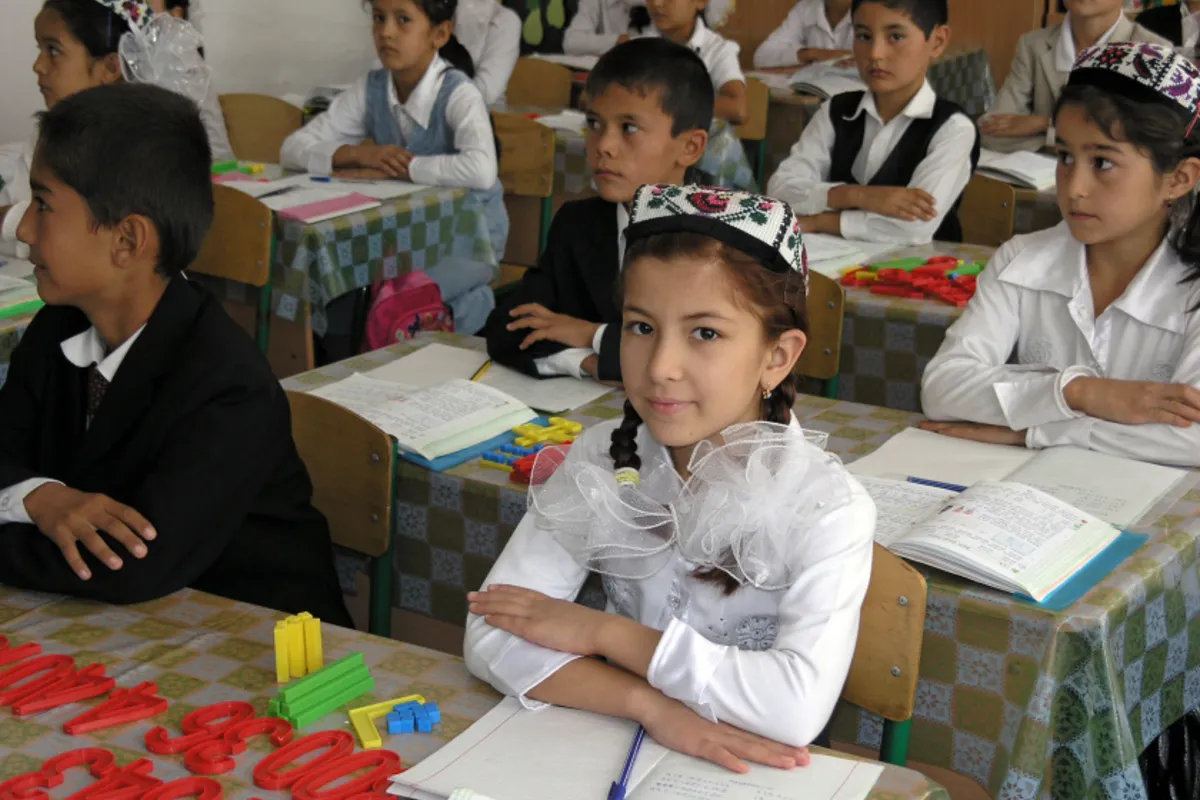
This expansion has addressed years of limited access and longstanding challenges. More children, including those in remote areas, now attend early education, and more young people can pursue university degrees. The next challenge is to ensure that the quality of education keeps pace with its increased availability.
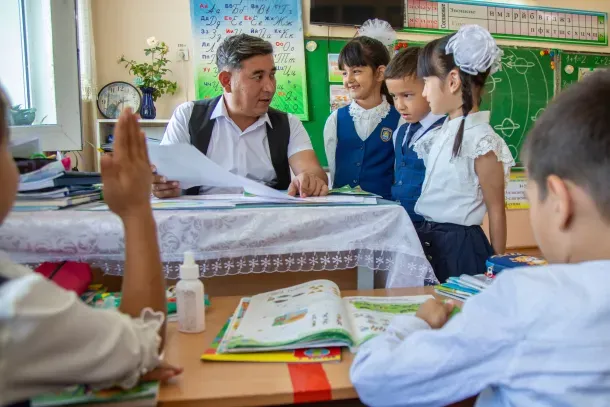
photo: UNESCO
A child's progress should depend on the quality of teaching, not their location. University admission should provide a credible pathway to knowledge and professional competence. These expectations should guide the next stage of reform.
Renewing school curricula and textbooks is essential. Greater emphasis on critical thinking, practical examples and project work will help students apply what they learn beyond the classroom. Success will depend on integrating these changes into everyday teaching so that students can analyse problems, assess evidence and apply knowledge in new situations.
Teachers are central to achieving these goals. The proportion of schoolteachers with university degrees increased from 83.5 per cent in 2017 to 89.3 per cent in 2021. Reforms to certification, grading and salary supplements have strengthened the profession. Ongoing professional development should now give teachers practical support in implementing new curricula and addressing students' needs. Improved materials will only be effective if teachers have the confidence and skills to use them well.
Digital reforms should also support these objectives. Electronic school records, university management systems and online admissions can reduce bureaucracy and increase transparency. Their effectiveness should be measured by whether they give teachers more time to teach and provide institutions with better information to support learning.
Private education has driven further change. The number of private schools grew from 30 in 2017 to 705 in 2025, while the number of private nurseries also increased. Public-private partnerships and incentives for providers have expanded parental choice and introduced new approaches, including international curricula and enhanced foreign language instruction. The policy challenge is to ensure that this diversity drives improvement across the education system while maintaining high standards in both public and private institutions.
Specialised schools offer an opportunity to share effective practices. By 2025, the network of Presidential and specialised schools had grown to 216 institutions. Their laboratories, international partnerships and emphasis on independent inquiry provide environments in which new teaching methods can be developed. Their impact will be greater if these approaches benefit the wider school system.
Uzbek pupils' success in international academic Olympiads demonstrates the value of sustained support for talent. The number of medals won annually increased from 30 in 2019 to 210 in 2025. These achievements deserve recognition and should inspire a broader goal: improving learning outcomes for all pupils nationwide. Exceptional results and stronger everyday education should reinforce each other.
Universities face a similar challenge. The number of joint programmes with overseas institutions grew from 267 in 2019 to 441 in 2025, and Uzbek universities now feature in international rankings. These developments can strengthen international links and enhance recognition. Their long-term value, however, depends on the quality of teaching and the skills students acquire. Rigorous accreditation should accompany the expansion of university places.
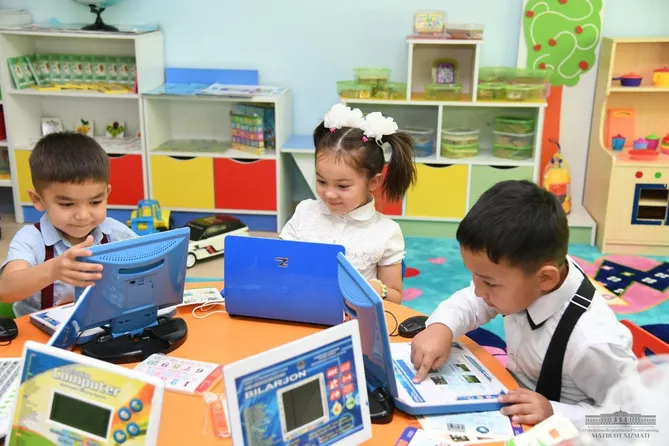
photo: getty images
The link between education and employment is particularly evident in vocational training. Dual education, which combines classroom learning with workplace training, aligns curricula with employers' needs. By the end of 2025, 67,400 students were participating in these programmes in partnership with 17,040 employers, while 47 technical colleges had introduced international education programmes.
The current task is to make these partnerships sustainable and ensure that training is effective. Employers should help design programmes, and qualifications should reflect demonstrable graduate skills. The establishment of dedicated vocational education and quality assurance bodies offers an opportunity to embed these expectations in institutional assessments.
The next stage of reform should align funding and institutional accountability with these outcomes. Investment in human capital succeeds when people can apply what they have learnt to improve their lives and contribute to a more productive economy.
Uzbekistan has demonstrated that it can expand educational opportunities on a large scale. The next phase requires a stronger focus on teaching and learning. Turning wider access into lasting knowledge and practical skills should now define the country's education reforms.