Paradoxically, countries with considerable resources often find themselves facing shortages of those very resources. We will not discuss Third World countries, whose resources are plundered and appropriated. Another example of this mismatch, however, is Central Asia.
Winter is approaching and, given the vagaries of the climate, it could be unpredictably cold. What is surprising is that a region with substantial reserves of natural gas, coal and oil, as well as enormous hydropower potential, is entering the cold season with problems. In Central Asia's case, the problem is not a lack of resources, but an inability to use them effectively for their intended purpose and outdated infrastructure. Most of the region's generating capacity was built during the Soviet era. This problem is holding back the development of the electricity sector, even though the energy potential of Central Asian states enables them not only to fully meet their own needs but also to become major suppliers of energy resources to external markets.
Kazakhstan has considerable reserves of oil, gas and coal. Despite this, the country has yet to fully meet domestic electricity demand. According to data cited in a September study by CSS Eurasia, Kazakhstan generated 123.1 billion kWh of electricity in 2025, against consumption of 124.6 billion kWh. The shortfall amounted to 1.5 billion kWh. In addition, the country continues to import electricity from Russia (3.7 billion kWh).
In Uzbekistan, according to experts, the situation is complicated by rapid economic and population growth. The expansion of industrial production, the construction of new enterprises, urbanisation and rising living standards are increasing demand for electricity and natural gas. The existing infrastructure needs modernisation to cope with the increased burden, but this is lagging behind.
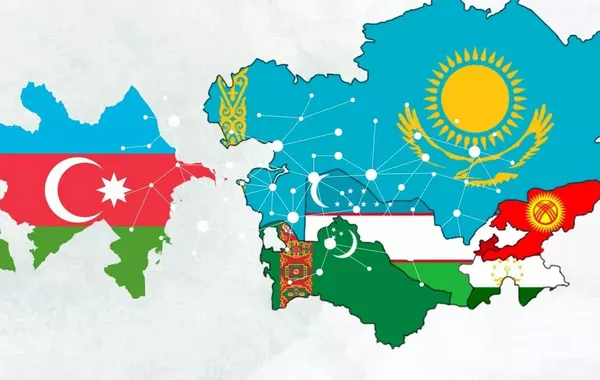
When Azerbaijan, Kazakhstan and Uzbekistan agreed in August 2024 to integrate their power systems and export electricity to Europe, the most questions were raised about Kazakhstan, given that the country itself was experiencing an electricity shortage. However, Kazakhstan's Ministry of Energy dispelled these doubts at the time, stating that, despite the country's current electricity deficit, its western regions had considerable potential for developing renewable energy sources, including wind and solar power generation. Opportunities for developing nuclear power were also being considered.
It should be noted that Kazakhstan's national electricity grid serves as the backbone of the country's power system. Among other things, it ensures electricity links between the republic's regions and the power systems of neighbouring countries (Russia, Kyrgyzstan and Uzbekistan). To ensure a reliable electricity supply for the country's economy and population in the coming years, the phased commissioning of new generating capacity and the modernisation of existing power plants are envisaged. An Energy Balance through 2035 has been approved to ensure the systematic and sustainable development of the energy sector, under which new generating capacity is expected to nearly double.
Uzbekistan also plans to double its electricity generation by 2030 in order to ensure the country's energy security and join electricity exports to Europe.
Moving on, Turkmenistan, which possesses enormous natural gas reserves, is unable to use its resources effectively to generate electricity because the sector needs to be upgraded and electricity supply expanded across all regions of the country.
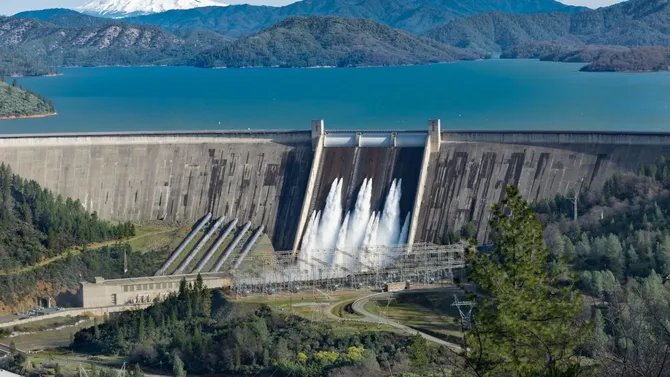
photo: MET Group
The situation in Kyrgyzstan and Tajikistan deserves particular attention. These countries have considerable hydropower resources, but their systems are structured in such a way that electricity generation is entirely dependent on the season, which affects river water levels. In other words, there is plenty of water in summer and, consequently, plenty of electricity. In winter, however, when the population needs heat, water inflows decrease, placing the entire burden on reservoirs. As a result, water collected for use in summer irrigation is consumed during the winter. In short, it is a vicious circle.
According to data published in the Kyrgyz media in September 2026, the country's projected electricity consumption stands at 19.6 billion kWh, while domestic generation is expected to reach 15.5 billion kWh. This results in a shortfall of 4.1 billion kWh.
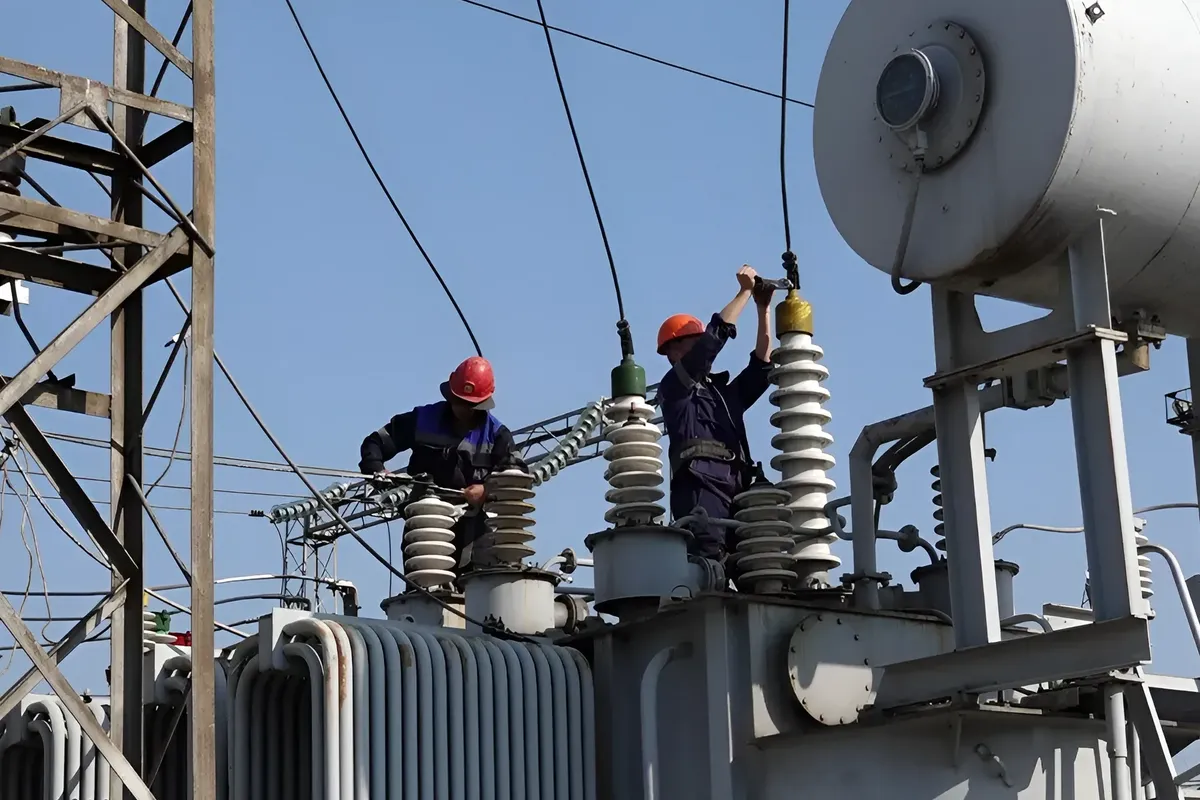
Another problem is the deterioration of infrastructure. A considerable proportion of Central Asia's power plants, transmission lines and distribution networks were built during the Soviet era.
In March 2026, the Eurasian Development Bank presented a study entitled "Power Sector of Central Asia: Modernization and Energy Transition". It emphasises that the region is simultaneously facing rapidly growing demand, a high level of deterioration of generating and grid assets, and dependence on coal, gas and hydropower.
The potential seriousness of infrastructure problems was demonstrated by events on 14 August 2026, when large-scale power cuts affected four countries simultaneously - Kazakhstan, Kyrgyzstan, Tajikistan and Uzbekistan. According to the Caspian Policy Center, the disruptions lasted several hours. A failure of generators at Kyrgyzstan's Toktogul Hydropower Plant was cited as one of the possible causes.
In January 2026, the World Bank approved the Regional Electricity Market Interconnectivity and Trade (REMIT) programme, designed to run for 10 years. Its aim is to create the first fully-fledged regional electricity market, increase cross-border electricity supplies and expand the capacity of power grids. According to media reports, in the first phase, Kyrgyzstan, Tajikistan, Uzbekistan and the Coordinating Dispatch Center Energia will receive $143.2 million in grant and concessional financing. In the longer term, the programme envisages increasing annual electricity trade to at least 15 billion kWh, expanding the capacity of cross-border transmission networks to 16 GW and creating the conditions for the integration of up to 9 GW of clean energy capacity. The total estimated financing for all three phases is $1.018 billion. According to the World Bank, closer integration of energy systems could bring the region economic benefits of up to $15 billion by 2050.
Experts assessing the situation point out that Central Asia needs not simply to generate more electricity, but also to restructure the entire system of its production, distribution and consumption. This requires large-scale modernisation of power plants and grids, the development of renewable energy, the creation of energy storage capacity, improvements in energy efficiency and, particularly importantly, coordinated management of water and energy resources.
According to World Bank forecasts, if current trends continue, electricity demand in Central Asia could triple by 2050. This means that the current difficulties cannot be regarded as a temporary seasonal problem. The region must start addressing this problem today to prevent it from becoming insurmountable.