China–Azerbaijan Ties: Turning Connectivity Into Industrial Growth
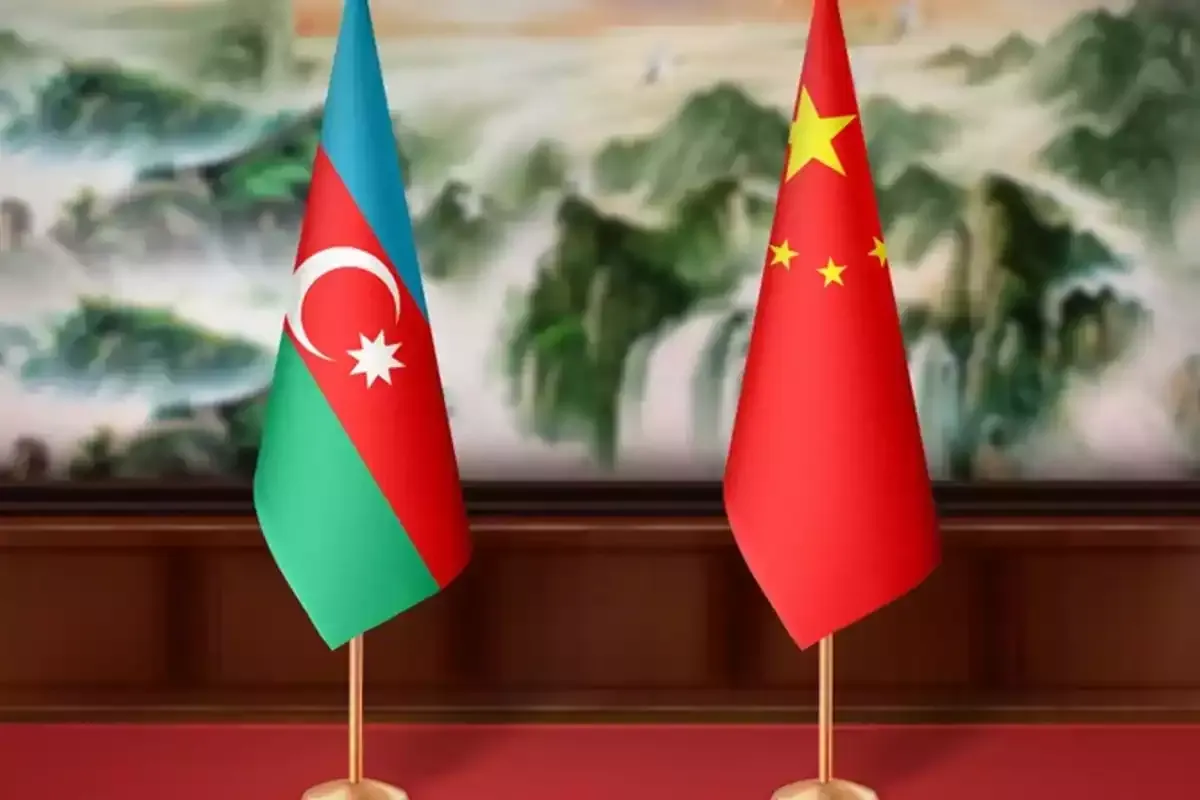
China’s growing engagement with Azerbaijan reflects an increasingly structured, diversified and long-term approach to the South Caucasus. Beijing sees Baku as an important connection between China, Central Asia, the South Caucasus and European markets. Energy and transit remain significant, while investment, green technology, digitalisation and industrial cooperation offer opportunities to deepen the relationship.
From a Chinese scholar’s perspective, this development should be understood through cooperation based on sovereignty, stability, dialogue and mutual benefit. China’s approach does not rest on exclusive alliances or bloc politics. Azerbaijan’s importance comes from its contribution to Eurasian connectivity, regional economic cooperation and multilateral diplomacy.
The practical challenge is to translate this partnership into productive investment, more reliable transport services and greater opportunities for Azerbaijani exports.
The joint investment fund established by Azerbaijan Investment Holding and China’s Silk Road Fund should prioritise projects that increase the value created within Azerbaijan. Petrochemicals, electrical and mechanical equipment, renewable energy components, agricultural processing and export-oriented manufacturing offer promising opportunities to combine Azerbaijani advantages with Chinese financing, technology and supply networks.
Technology transfer is achievable, provided it becomes part of project design. Joint ventures, the development of local suppliers, technical training and cooperation between businesses and research institutions can support this process. A predictable investment environment and sufficient demand across regional markets would give Chinese companies stronger reasons to establish production locally.
Investment performance should consequently be assessed through additional manufacturing capacity, employment, productivity and exports, alongside the capital committed.
Transport cooperation requires a similarly practical approach. The Middle Corridor’s principal difficulty is the fragmentation of a route involving multiple borders, a Caspian Sea crossing, cargo transfers, different pricing systems and uneven digital development.
For Chinese businesses, reliable delivery estimates and clear final costs matter as much as speed. Coordinated freight-train schedules, transparent tariffs covering the entire journey, shared electronic documentation and continuous cargo tracking would improve the service. Digital port systems and immediate information exchange between Chinese ports, Central Asian railways and Baku could shorten delays. More return cargo travelling east would also help reduce transport costs.
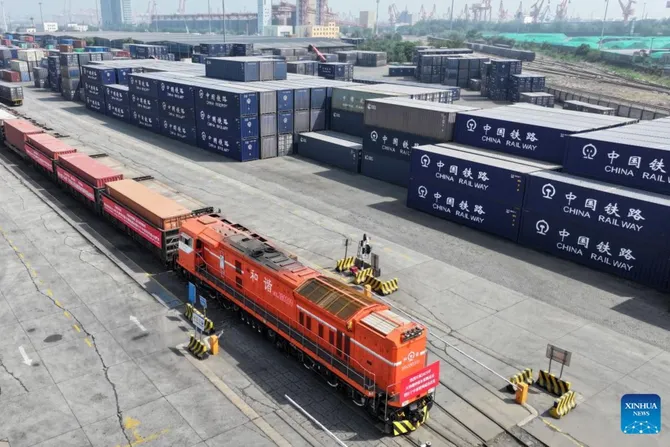
photo: getty images
The objective should be a corridor that customers can book and use as an integrated service.
Green energy offers another opportunity to build a deeper economic partnership. The Gobustan solar project could demonstrate how cooperation can expand from electricity generation into component production, engineering, storage and digital grid management.
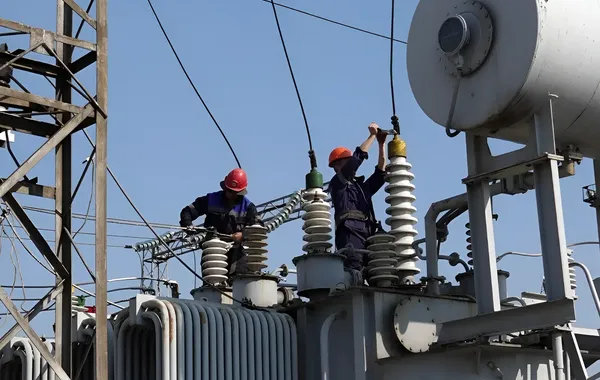
As variable renewable generation grows, batteries and modern dispatch systems will become increasingly valuable for maintaining a flexible and dependable electricity system. Local production should develop gradually, according to commercial demand. Mounting structures, cables, electrical equipment and maintenance services provide potential starting points, with further expansion as domestic and regional markets develop.
Combining renewable projects with grid upgrades, professional training and industrial cooperation could support a lasting technological partnership.
A more balanced trading relationship will also require stronger Azerbaijani export capacity. Restricting Chinese sales would offer a less sustainable response than expanding trade while helping Azerbaijan supply more competitive products.
Petroleum coke, polyethylene, machinery and electrical equipment demonstrate opportunities for industrial exports. Azerbaijani wine, pomegranate products, tea, jams and other processed foods could find specialised consumer markets in China.
Progress will depend on quicker certification and customs procedures, greater participation in Chinese trade exhibitions, effective trade houses, online sales channels and stronger relationships with distributors. Chinese investment in Azerbaijani processing and manufacturing could also generate locally produced exports for China and other Asian markets.
Over time, improved logistics, joint production and movement towards freer trade arrangements could make the partnership more diversified and sustainable. Its development should connect transport and investment with the growth of production, skills and export opportunities within Azerbaijan.