Exactly one year has passed since the start of the 12-day war between Israel and Iran, which ended with US air strikes on the Islamic Republic's nuclear facilities. This was followed by endless negotiations, punctuated by recurring flare-ups of the conflict's "hot" phase, during which Supreme Leader Ali Khamenei and a significant portion of Iran's military and civilian leadership were eliminated. US and Israeli attacks severely damaged much of Iran's military and civilian infrastructure.
In addition, after Iran disrupted shipping through the Strait of Hormuz, the United States imposed a strict blockade on Iranian ports, effectively halting the country's oil and gas exports. Iran's economic situation reached a critical point. Perhaps this is why Tehran concluded that it needed to make certain concessions to US demands.
Although the Memorandum of Understanding does not constitute a final settlement, it nevertheless provides a degree of assurance that the ceasefire will hold. It remains unclear exactly what the document contains, particularly as it is expected to be signed electronically rather than through the traditional diplomatic procedures commonly used in international practice.
The decision to sign the document virtually reflects the deep mistrust between the parties and does not rule out the possibility of renewed hostilities. The United States claims victory, while Iran insists that the outcome on the battlefield favoured Tehran.
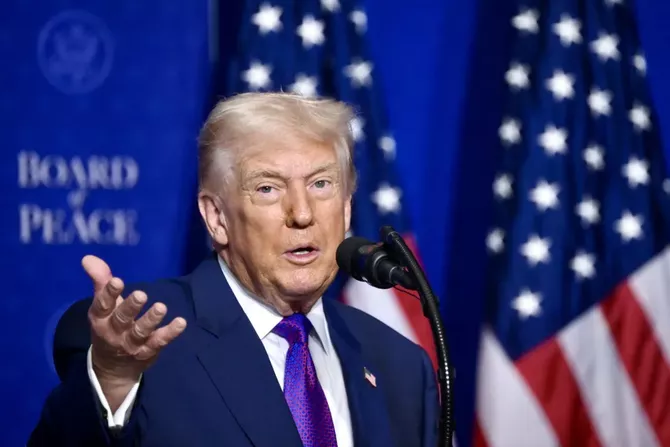
Photo credi: EPA
At the very least, the ceasefire has given Iran's leadership an opportunity to bury its Supreme Leader, Ali Khamenei, who was reportedly killed on 28 February 2026. Funeral ceremonies are scheduled for 4-9 July, and he is expected to be buried in his hometown of Mashhad.
According to Reuters, the potential agreement between Iran and the United States covers sanctions, nuclear weapons and the reopening of the Strait of Hormuz. Specifically, Tehran has reportedly agreed to abandon the development and acquisition of nuclear weapons. According to Reuters sources, the draft agreement includes lifting existing sanctions on Iranian oil and refraining from imposing additional restrictions.
The United States has also reportedly agreed to gradually unfreeze $25 billion in Iranian assets. Furthermore, Iran would maintain the current nuclear status quo until a final agreement is approved, including a halt to uranium enrichment and the expansion of nuclear infrastructure. Washington would allow Iran to retain its current stockpile of enriched uranium.
In exchange for reopening the Strait of Hormuz, the United States would lift its blockade of Iranian ports. A source within the US administration told Fox News that Iran has also agreed not to charge transit fees for passage through the maritime corridor.
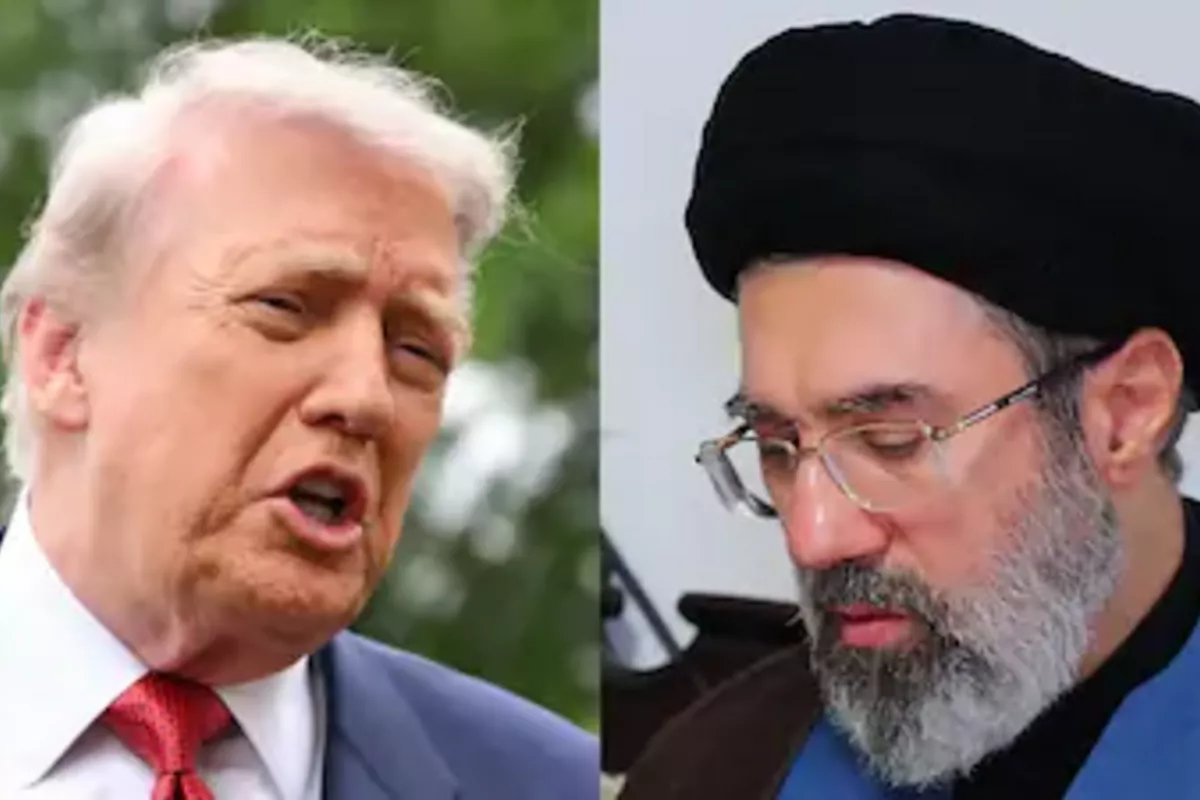
Iran's Foreign Ministry had previously ruled out signing the document on Sunday, as requested by President Donald Trump, but acknowledged that it could be signed in the coming days.
Iranian officials explained that the agreement process would take place in two stages: first, the signing of a 14-point memorandum; second, a 60-day negotiation period aimed at achieving a permanent end to the conflict. According to BFMTV, direct talks between the parties could take place in Switzerland next week.
However, CNN reports that Iran has not yet made a final decision regarding the memorandum, as hardline factions oppose several of its provisions. A source from Iran's Fars News Agency stated that political, legal and technical reviews of the US proposal are still ongoing.
The source noted that various aspects of the proposal are being examined both by experts and by decision-making bodies. CNN sources also reported that, should the sides reach an agreement, officials plan to hold a virtual signing ceremony in the near future.
If the deal is finalised, it would launch a new 60-day negotiation period.
According to Axios, once the Strait of Hormuz is reopened, Iran could receive temporary sanctions relief and be allowed to export oil for 60 days. If Tehran fulfils its obligations and progress is achieved in subsequent negotiations, sanctions relief could be expanded.
One issue that remains unresolved is access to Iranian assets frozen abroad. Tehran is demanding immediate access to part of those funds following the signing of the memorandum, while Washington favours a phased release tied to Iran's compliance with the agreement.
Overall, it can be argued that the United States ultimately compelled Iran to make concessions primarily through economic pressure. Military force played a more indirect role. Iran's armed forces, as events demonstrated, proved too weak to alter the strategic balance.
Of course, had Washington chosen to employ its full military capabilities, more dramatic results might have been achieved.
As President Donald Trump stated:
"Current relations between Washington and Tehran are more constructive than under previous US administrations. We look forward to cooperation with Iran and the entire Middle East over the long term. We hope this process will proceed quickly, easily and smoothly. If not, we have an excellent alternative that, hopefully, we will never have to use again."
Against the backdrop of these developments, the confrontation between America's principal Middle Eastern ally, Israel, and Iran's proxy force in Lebanon, Hezbollah, has largely remained out of the spotlight.
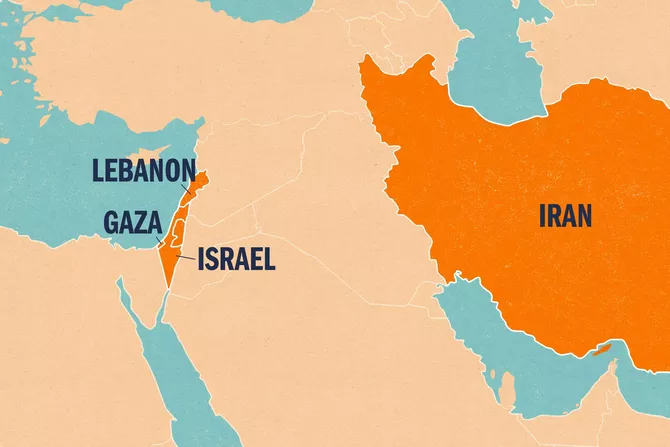
Source: CNN
Iranian Foreign Minister Abbas Araghchi stated on 12 June:
"The end of the war in Lebanon means Israel's withdrawal from the territories it occupies."
According to unconfirmed reports, the ceasefire arrangement between the United States and Iran includes a commitment to halt military activity on all fronts, including Lebanon.
Formally, this could be presented as an attempt to "unify the fronts". However, Israeli officials stress that any agreement will not restrict the operations of the Israel Defense Forces (IDF).
In any case, Jerusalem is expected to oppose both the unification of fronts and any withdrawal from areas currently occupied in southern Lebanon.
A source within Israel's security establishment stated that the IDF will continue to "dismantle Hezbollah" and destroy its infrastructure.
As Israeli Defence Minister Israel Katz wrote on X:
"Israel will not withdraw from security zones in Lebanon, Syria or Gaza. The IDF will continue to defend our borders and our citizens from Mount Hermon, the mountains of Lebanon, the territories of Samaria and most of the Gaza Strip against threats posed by jihadist organisations. This is one of the principal lessons of 7 October."
It is entirely possible that Iran itself may eventually prefer Hezbollah to withdraw and disarm, since the group's continued presence in southern Lebanon effectively guarantees the continuation of the conflict.
Moreover, it is strategically important for the United States that Lebanon eventually joins the Abraham Accords. If that occurs, the Lebanese Armed Forces could assume control of the country's south and begin dismantling terrorist infrastructure in the area.
In recent months, Israeli officials have repeatedly emphasised:
"If Hezbollah opens fire on Israel, we will strike Dahieh - and then we will see how the Iranians respond."
Such a scenario would almost certainly derail the negotiations and undermine US efforts to establish a broader regional peace framework.