Kazakhstan’s Message to Moscow: Partnership Without Political Alignment
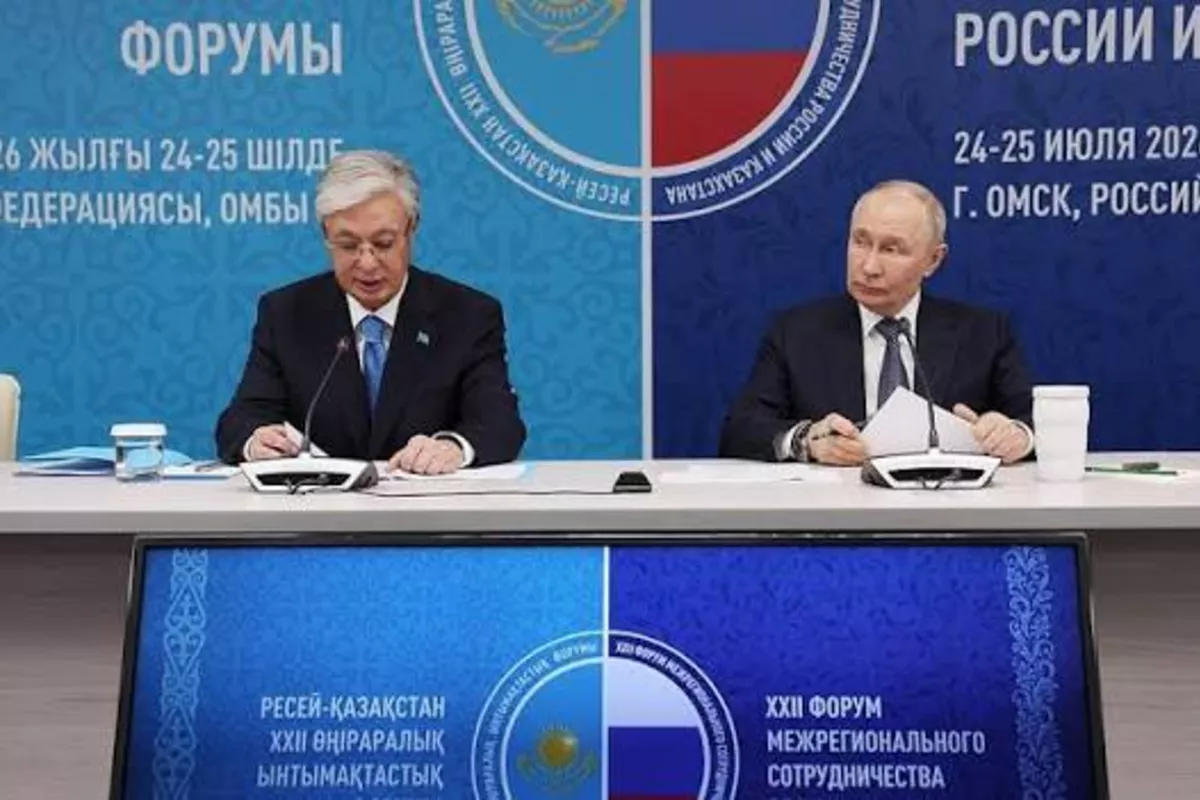
The July 25 meeting between Kazakh President Kassym-Jomart Tokayev and Russian President Vladimir Putin in Omsk reaffirmed that Kazakhstan has no intention of abandoning its long-standing strategic partnership with Russia. At the same time, the talks highlighted a broader and increasingly significant trend: Astana is becoming more confident in articulating an independent foreign policy, even when its positions differ from those of Moscow.
Held on the sidelines of the Forum of Interregional Cooperation, the meeting underscored the resilience of bilateral relations. Russia remains one of Kazakhstan’s principal strategic partners in several critical areas, including trade, energy, transport, industrial cooperation, and regional security through the Eurasian Economic Union and the Collective Security Treaty Organization. Nothing during the meeting suggested that Astana was preparing to move away from these long-established ties.
However, Tokayev’s public proposal to freeze hostilities in Ukraine and revive negotiations under an updated “Istanbul Format 2.0” attracted considerably more international attention than the economic agenda. Although the Kremlin later rejected the proposal, its significance lies less in Moscow’s response than in Kazakhstan’s willingness to raise such an initiative publicly.
For years, Astana has consistently advocated diplomatic solutions to international conflicts while emphasizing the principles of the UN Charter, sovereignty, and territorial integrity. Kazakhstan has maintained this position throughout the war in Ukraine and has not recognized Russia’s annexation of Crimea or the Russian-backed separatist entities in eastern Ukraine. Tokayev’s latest remarks therefore represent continuity rather than a reversal of policy.
What has changed is the manner in which Kazakhstan now presents its position. Rather than limiting itself to carefully balanced diplomatic language, Astana appears increasingly prepared to voice its views directly, including in the presence of Russia’s leadership. This reflects a broader evolution in Kazakhstan’s foreign policy, which has become more pragmatic and assertive while remaining firmly rooted in its traditional multi-vector approach.
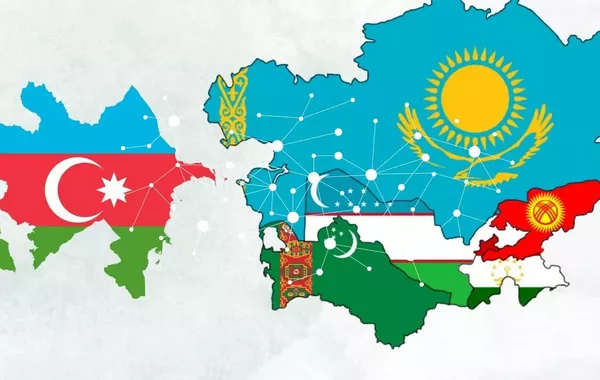
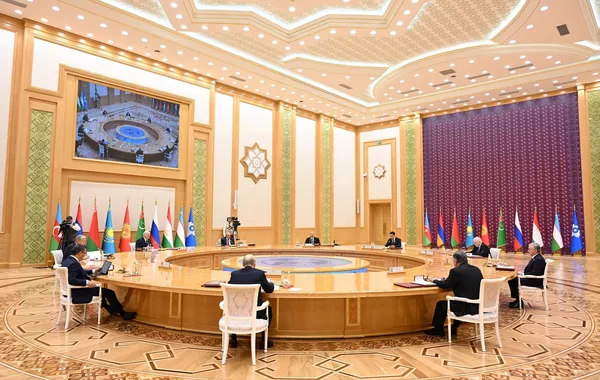
Multi-vector diplomacy has been a defining feature of Kazakhstan’s external strategy since independence. Its objective has never been to replace one strategic partner with another, but to maintain constructive relations with all major geopolitical centers while avoiding excessive dependence on any single power. Alongside its close relationship with Russia, Kazakhstan has steadily expanded cooperation with China, the European Union, the United States, Türkiye, and the countries of Central Asia.
photo: The Diplomatic Insight
This balancing act has become increasingly important amid growing geopolitical fragmentation. Russia’s confrontation with the West, China’s expanding regional influence, instability in Afghanistan and Iran, and rising concerns over secondary sanctions have significantly narrowed the diplomatic space available to middle powers such as Kazakhstan.
Against this backdrop, Astana has intensified its efforts to diversify both its foreign partnerships and its transport infrastructure. Projects such as the Middle Corridor and the eastern branch of the International North-South Transport Corridor are intended to reduce Kazakhstan’s dependence on traditional Russian transit routes while strengthening its role as a Eurasian logistics hub linking Europe, Central Asia, the South Caucasus, and Asia.
The Omsk meeting also carried broader regional significance. Tokayev’s remarks represented one of the clearest public appeals by the leader of a close Russian partner to suspend military operations in Ukraine and return to negotiations. While Kazakhstan lacks the political leverage to influence the Kremlin’s strategic decisions directly, the initiative nevertheless demonstrated Astana’s readiness to position itself as a responsible regional actor advocating diplomacy rather than military escalation.
This does not mean that Kazakhstan is distancing itself from Russia. On the contrary, Astana continues to value its strategic partnership with Moscow and recognizes the importance of maintaining stable political and economic relations with its northern neighbor. At the same time, Kazakhstan increasingly seeks to distinguish partnership from political alignment, making it clear that close relations do not require unconditional support for every Russian foreign policy decision.
The effectiveness of Kazakhstan’s multi-vector diplomacy will continue to be tested by intensifying geopolitical competition. Dependence on Russian export infrastructure, uncertainty surrounding Iran and Afghanistan, China’s growing economic footprint, and the risk of secondary sanctions remain substantial challenges. Yet Astana’s response suggests that its strategy is evolving rather than changing fundamentally.
The message emerging from Omsk is clear: Kazakhstan intends to preserve its strategic partnership with Russia while simultaneously reinforcing its strategic autonomy. Instead of choosing between competing global powers, Astana is seeking to deepen pragmatic cooperation with each of them on the basis of its own national interests. This course is likely to remain the cornerstone of Kazakhstan’s foreign policy in the years ahead.