The attempt to ban five opposition parties in Georgia could become one of the most serious blows to political pluralism in the country’s modern history. In my view, the ruling party is seeking to strengthen its grip on power by eliminating its political competitors.
I strongly oppose the initiative to ban five opposition parties. Georgia has not seen a move of this scale in the past three decades. Even under Mikheil Saakashvili, whose rule I consider authoritarian, the authorities did not take comparable action against such a large part of the opposition.
The parties under threat are the United National Movement, the Coalition for Change, Lelo-Strong Georgia, the Federalists, and Gakharia-For Georgia. They differ in their political views and visions for the country, but all are part of Georgian political life.
If these groups are eliminated, the consequences will extend beyond their leaders and supporters. Citizens could lose the opportunity to vote for the political organizations they trust. This concerns the future of the entire democratic system.
In my view, the political objective of the ruling Georgian Dream party is clear: to preserve and strengthen its hold on power by whatever means are available. These developments raise concerns that Georgia is moving toward an even more rigid form of autocratic rule.
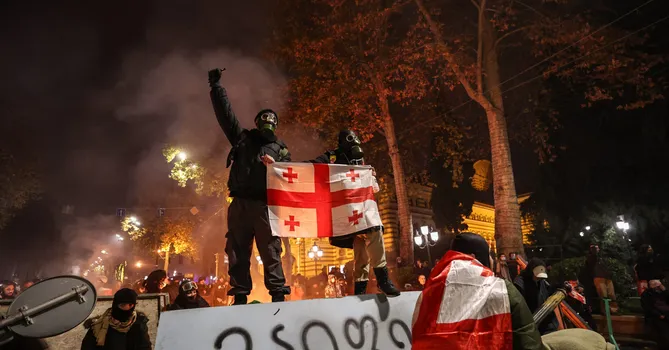
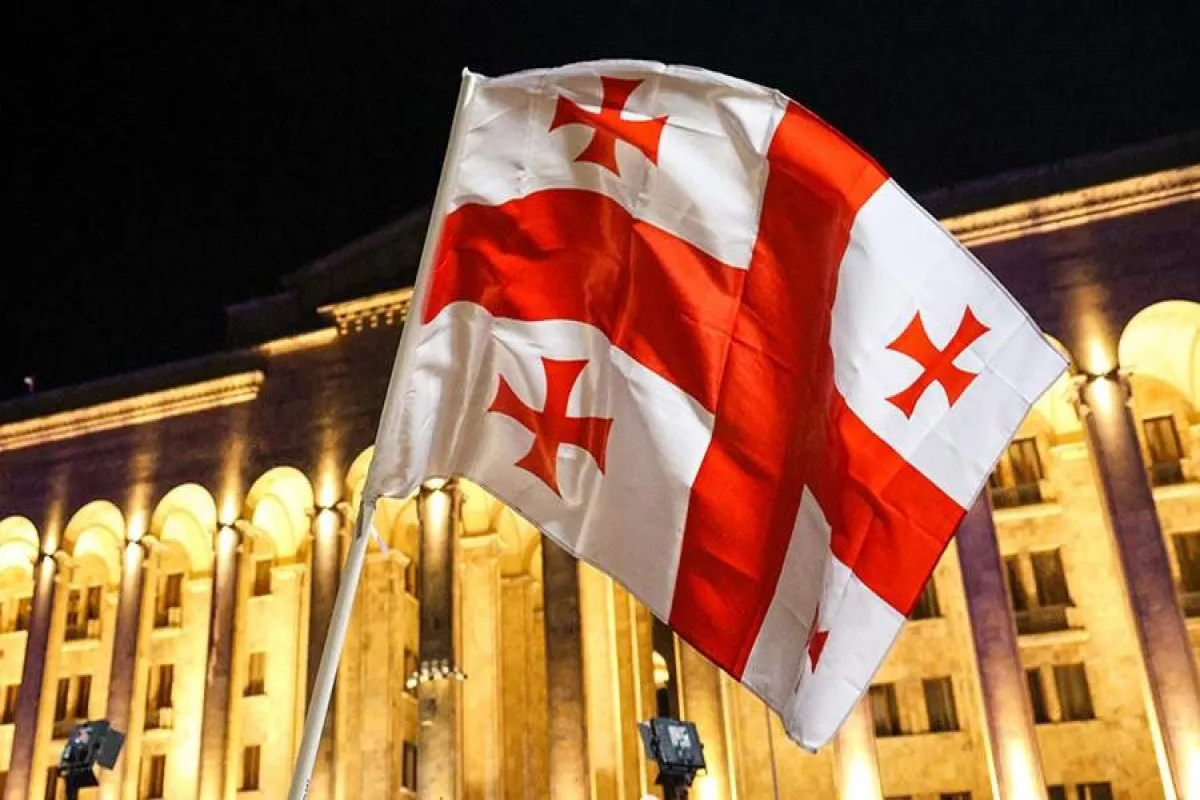
photo: eunews
Where Does the Threat to the Constitutional Order Lie?
The authorities claim that these parties pose a threat to Georgia’s constitutional order. I do not find those accusations convincing. Political confrontation and strong criticism of the government should not, in themselves, be grounds for eliminating opposition groups.
On the contrary, I believe that the real threat to the constitutional order arises when the authorities attempt to remove their main political opponents. A constitutional order depends on the existence of different views and the freedom to express them. Without that, elections gradually lose their meaning as a means of changing the government.
If the Constitutional Court grants the petition, I would regard the decision as a constitutional coup - a form of takeover in which the fundamental principles of the political system are changed through formal legal mechanisms.
There have already been events in Georgia’s history that, in my view, can be seen as departures from the constitutional order. I associate such concerns, in particular, with decisions made during Mikheil Saakashvili’s presidency in 2005.
The prime minister’s announcement in 2024 concerning the scaling back of the country’s European integration course also raised serious questions. Georgia’s Constitution provides for the country’s pursuit of membership in the European Union and NATO. In my view, a decision affecting such an important direction of state policy requires proper legal and political procedures, including at the parliamentary level.
A possible ban on opposition parties would represent another dangerous step in this direction. Its consequences could last for many years.
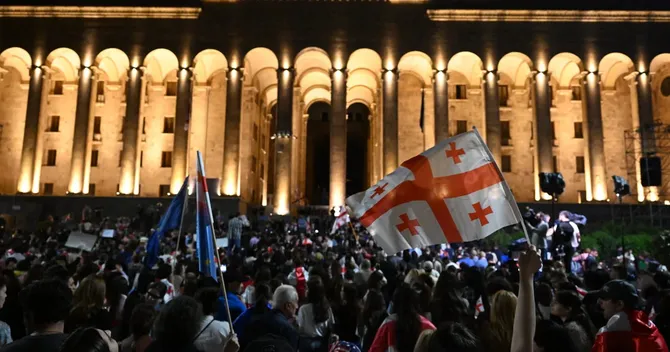
photo: getty images
The 2028 Elections and the Political Crisis
The timing of the hearings also matters. From the perspective of political preparation, there is relatively little time left before the next parliamentary elections in 2028. Parties need to develop programmes, engage with voters, build regional structures and prepare their campaigns.
At the same time, Georgia is experiencing a deep political crisis. In my view, the parliamentary system is effectively paralysed: a significant part of the political spectrum is not participating fully in its work, while society remains deeply polarised.
Rather than finding a way out of the crisis, I believe the ruling party is trying to reshape the political system to suit its own interests. Removing major opposition forces could allow it to reduce the number of serious competitors before the next parliamentary campaign begins.
Political disagreements, however, will not disappear simply because parties are banned. On the contrary, citizens whose views and interests they represent may feel deprived of the opportunity to participate in political life through lawful and democratic means. This could further radicalise the situation and deepen divisions in society.
The Risk of "Belarusization"
If the Constitutional Court grants the petition, the consequences for future elections will be extremely serious. Political competition will weaken, voters will have fewer choices, and the possibility of changing the government through elections will be called into question.
I see a risk that Georgia could follow a path of “Belarusization”: a further concentration of power in the hands of the ruling force and a continued narrowing of the space for a genuine opposition.
A democratic system cannot function fully without an organised opposition. Competitive parties allow citizens to assess alternative programmes and decide at the ballot box who should govern. If leading political forces are excluded from this process, confidence in its fairness will be undermined.
It is particularly dangerous that such a decision could create a political and legal precedent. The possibility of a ban could then be seen as a tool for putting pressure on those who criticise the government or seek power.
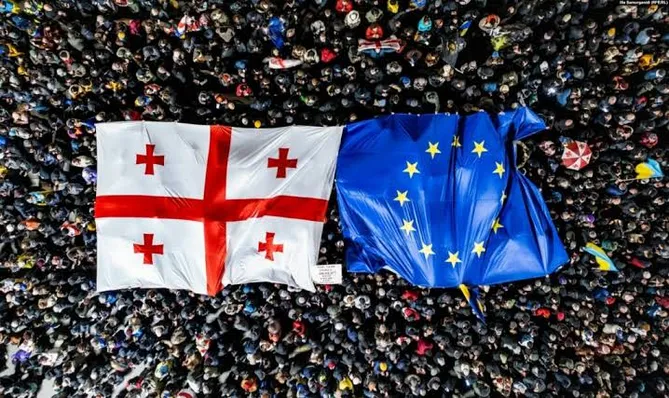
photo: getty images
Consequences for Relations with the West
A possible ban on the parties would also affect Georgia’s international standing. Tbilisi’s relations with the European Union and the United States are already going through a difficult period. A decision to eliminate leading opposition forces would likely further undermine trust between the Georgian authorities and their Western partners.
Political pluralism, opposition rights and competitive elections are important principles for the European Union. I therefore expect that a ban would create another obstacle to Georgia’s rapprochement with the EU. There could also be negative consequences for relations with the United States.
But the greatest damage would be done to Georgia itself. Weakening the opposition and restricting political choice would undermine the country’s democratic foundations, increase domestic tensions and call into question the prospect of a peaceful transfer of power.
The Constitutional Court’s decision will therefore have significance far beyond the courtroom. It could help determine whether Georgia retains space for political competition and whether its citizens can choose their country’s future from genuine alternatives.