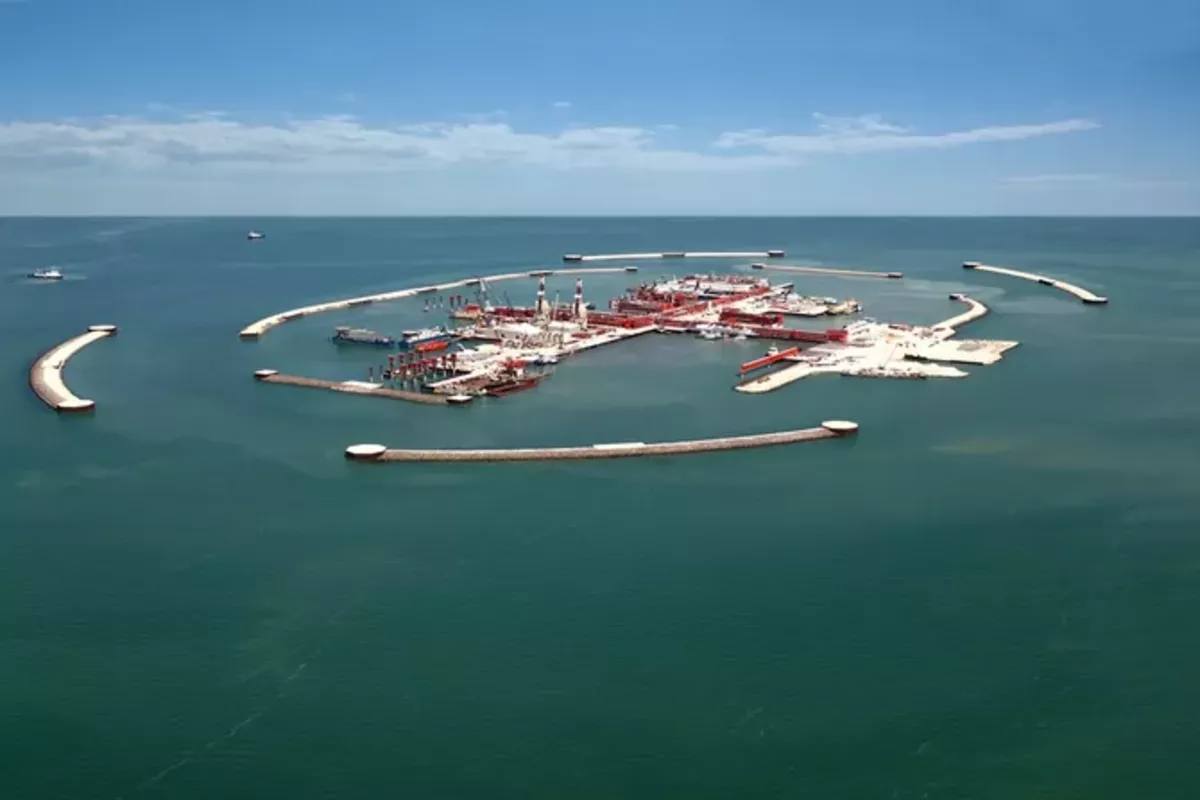
Kazakhstan’s pressure on the international consortium developing the Kashagan oilfield should not be viewed as an isolated legal or environmental dispute. It reflects a broader attempt by the state to redefine its relationship with foreign investors and secure a larger return from one of the country’s most important strategic assets.
Several factors are driving this tougher approach: the changing balance of power between Kazakhstan and international oil companies, pressure on the state budget, environmental concerns, domestic political calculations and preparations for negotiations over the field’s future.
Kazakhstan is no longer in the position it occupied in the 1990s and early 2000s. At that time, the country lacked capital, advanced technology and experience in developing complex oil and gas projects. It urgently needed foreign investors and accepted production-sharing agreements that often gave international companies highly favourable conditions.
Many of those agreements did not fully reflect Kazakhstan’s long-term national interests. They were signed when the state was economically weaker and heavily dependent on foreign investment in the extractive sector.
Today, Kashagan has entered a relatively stable production phase, while the largest initial capital expenditures have already been made. Kazakhstan’s negotiating capacity is stronger, and the authorities believe strategic projects should provide greater benefits to the state.
The current production-sharing agreement remains valid until the end of 2041. Yet negotiations over projects of this scale often begin 10 to 20 years before existing agreements expire. The present legal and environmental claims may therefore be part of a wider strategy aimed at shaping the post-2041 framework.
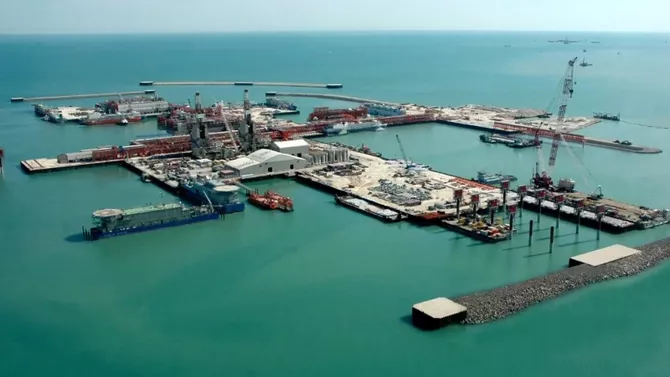
photo: orda.kz
An extension of the agreement in its current form appears unlikely. A new arrangement, under which Kazakhstan receives a larger share of revenues and greater influence over investment decisions, is more probable.
The country’s fiscal position is another major factor. Kazakhstan faces a growing budget deficit and has repeatedly relied on transfers from the National Fund to finance public expenditure.
During the first five months of 2026, the fund received approximately 1.53 trillion tenge in direct oil-sector taxes. At the same time, about 1.4 trillion tenge was withdrawn through a guaranteed transfer to the state budget. Although corporate income tax payments increased, income from production-sharing agreements and several other oil-related taxes declined.
Domestic politics also matters. Parliamentary elections are expected in August, while the government must continue financing social programmes and preventing public dissatisfaction from escalating. The new Tax Code has already generated a negative reaction among parts of society.
Against this background, the authorities want to improve tax collection, obtain a larger share of excess profits during periods of high oil prices and recover at least part of the environmental compensation demanded from the consortium.
The dispute also has a political communication dimension. If the government is promoting the idea of a “New Kazakhstan,” it must demonstrate that new rules also apply to investors that have operated in the country for decades.
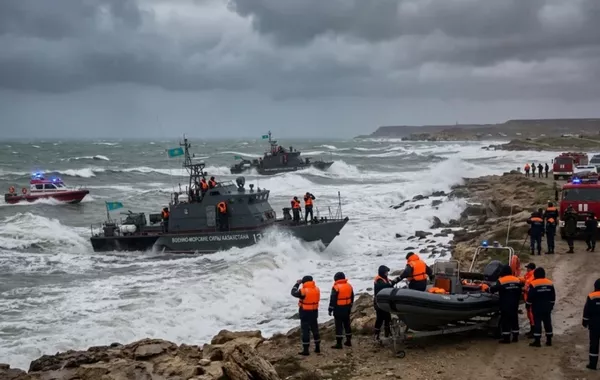
Environmental concerns, however, should not be dismissed as merely an instrument of pressure. The Caspian Sea is an extremely fragile ecosystem. The region has experienced losses of fauna and flora, while pollution linked to oil and gas activity affects local communities.
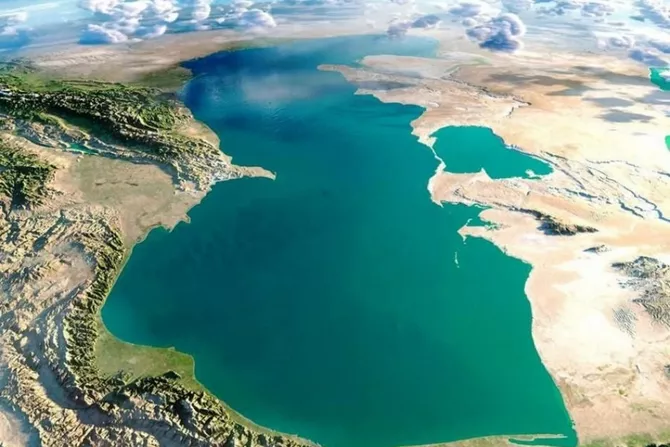
photo: getty images
Water scarcity is becoming another serious challenge in western Kazakhstan. Oil production requires large volumes of water, and shortages could increase costs, aggravate tensions between industry and residents and eventually contribute to social unrest.
Kazakhstan’s environmental regulations are considerably stricter than they were two decades ago. Environmental claims can enforce national legislation while strengthening the state’s position over revenues, investment obligations and future development phases.
A suspension of production at Kashagan remains unlikely in the near term. Both the state and the consortium earn substantial revenue from the field, meaning that a shutdown would damage both sides.
The more immediate threats to Kazakhstan’s oil sector are external. Drone attacks and military escalation can damage pipelines, ports and processing facilities connecting Kazakhstan with Russia and global markets. The vulnerability of the Caspian Pipeline Consortium and other export routes remains a major concern.
The disruption involving the Orenburg gas processing plant demonstrated how quickly external attacks can affect production at Kazakhstan’s fields. This underlines the need to diversify export routes and reduce dependence on a limited number of transit corridors.
The dispute nevertheless creates indirect risks. Prolonged litigation could delay investment, postpone expansion and slow production growth after 2027-2030. Investors are not necessarily alarmed by negotiations themselves; similar disputes occur in many oil-producing countries. What concerns them is whether contracts, regulations and political conditions can be predicted decades in advance.
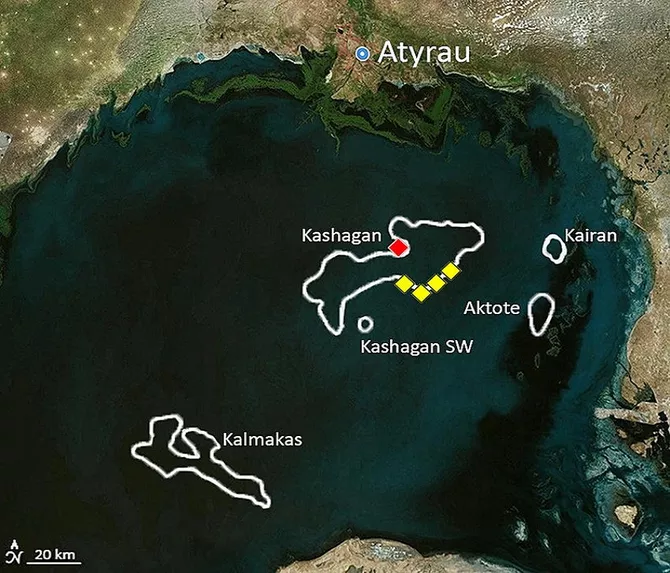
photo: caspian barrel
Greater state participation in Kashagan is possible, with KazMunayGas likely to be the main beneficiary. Its economic interest in the field doubled in 2022, from about 8.44% to 16.88%.
A further increase is possible, but forced nationalisation or the removal of Western companies is unlikely. Kashagan is technologically exceptional. Its development requires specialised expertise in managing high hydrogen sulphide concentrations, extreme reservoir pressure and offshore production in the northern Caspian.
Chinese companies may also seek a larger role. China is already the largest buyer of Kazakh oil, and its interest could grow amid instability in the Middle East and increasing risks to maritime transport. Yet Western companies retain important technological advantages. A gradual change in ownership is more likely than the complete displacement of the consortium.
Ultimately, the dispute is not about ending cooperation with foreign investors. It is about redefining the balance between the state and the consortium.
Kazakhstan wants a larger economic return, stronger control over compliance with national law and greater influence over future development. Investors want contractual stability and predictable operating conditions.
A negotiated compromise would preserve production, investment and long-term cooperation. A prolonged legal confrontation, by contrast, would threaten not today’s output but tomorrow’s investment. That is the real risk Kazakhstan must avoid.