The deaths of 14 servicemen during a military exercise in the Caspian Sea have become more than one of Kazakhstan’s most serious military tragedies in recent years. The incident has also raised questions about the country’s broader defence system - from the planning and supervision of military exercises to the training of commanders, the equipment provided to personnel and the military’s ability to respond to rapidly changing conditions.
That is why President Kassym-Jomart Tokayev’s response went beyond a routine personnel decision. Following the tragedy, the president ordered a comprehensive review of the Defence Ministry and called for deeper reforms of the country’s armed forces.
What Happened in the Caspian Sea?
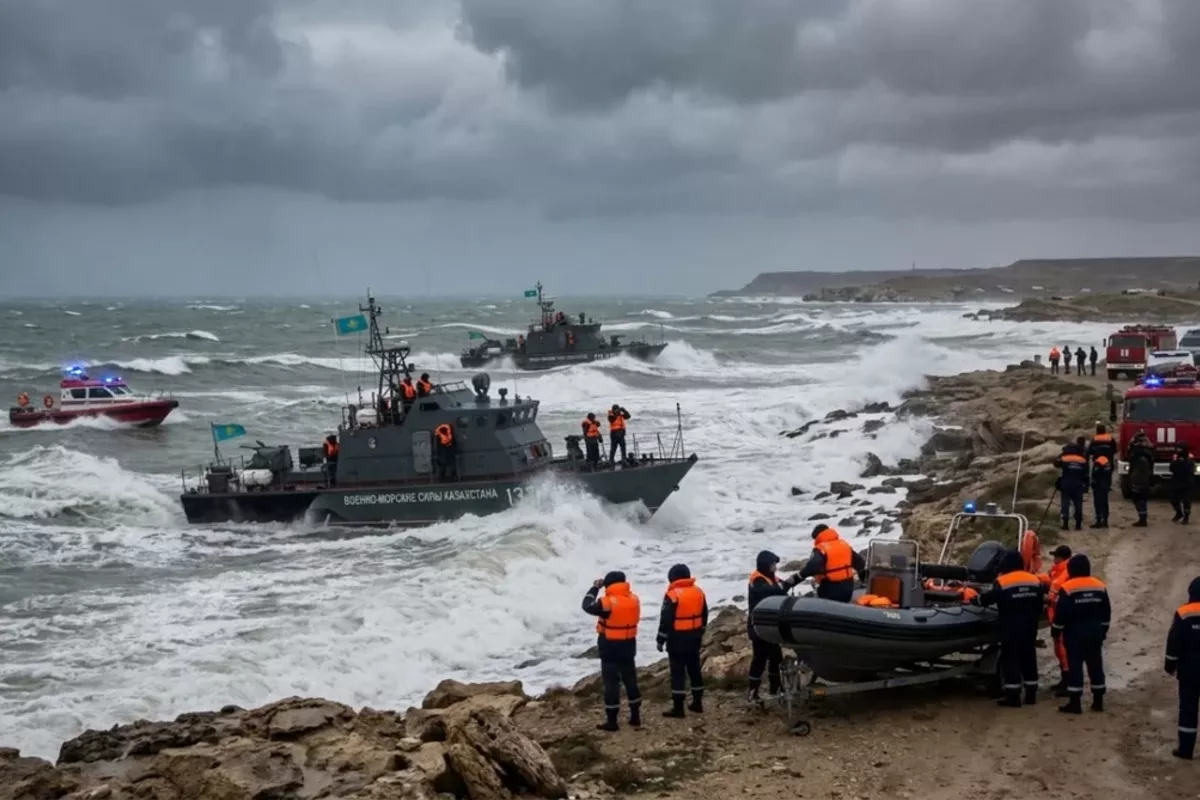
The tragedy occurred on 24 September in Kazakhstan’s Mangystau region, approximately 43 kilometres from Aktau, during the third day of the Khazar Qorgany-2026 military exercise.
More than 500 servicemen took part in the drills, alongside vessels and boats operated by Kazakhstan’s Naval Forces, hydrographic vessels, border guard units and aviation.
During a troop-landing operation, 17 servicemen ended up in the water after weather conditions deteriorated and winds strengthened. Three were rescued. Fourteen died.
Most of those killed were young servicemen born between 2005 and 2007. Kazakhstan declared 25 September a national day of mourning.
According to preliminary investigative information, the servicemen were swept into the sea during a landing operation from the Qaisar boat as weather conditions deteriorated sharply.
But this is where questions emerge that go beyond the weather itself.
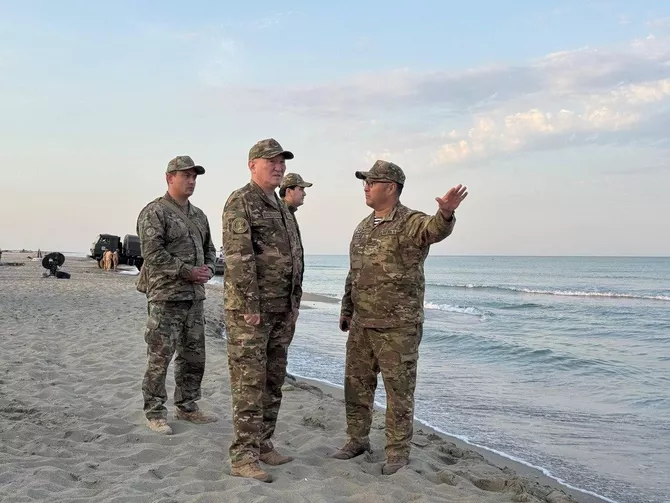
photo: Turkiye Today
Why Has the Tragedy Become a Question for the Military System?
Strong winds and rapidly changing weather are not extraordinary circumstances for military forces conducting exercises at sea. The central question is therefore why the system overseeing the exercise was unable to prevent the situation from turning into a mass-casualty incident once conditions changed.
President Tokayev ordered officials to establish who designed and approved the exercise scenario, how it was coordinated with the General Staff and why the commander of the Naval Forces was not present at the scene of the incident.
The president pointed to broader concerns involving responsibility, supervision and the organisation of military service. He also said the servicemen involved in the exercise had not been provided with all the necessary equipment, including life jackets.
These statements are significant because they raise the possibility that the incident was not simply the result of an individual mistake.
If the preliminary findings are confirmed, the problems could extend across several levels of command and control.
The Investigation Reaches the Military Command
A criminal investigation has been opened into possible negligence and violations of navigation and safety rules.
Five military officials have been detained as part of the investigation. They include the chief of staff and first deputy commander of the Naval Forces, two military unit commanders, the commander of a marine infantry company and the commander of the boat involved in the incident.
Investigators are examining the actions of officials responsible for planning and conducting the exercise.
However, it is important not to draw final conclusions about the causes of the tragedy while the investigation is still underway. Authorities are also examining broader issues involving military organisation, procurement, equipment and the use of Defence Ministry resources.
The Defence Minister’s Dismissal Sends a Clear Signal
On 27 September, just three days after the tragedy, Tokayev dismissed Defence Minister Dauren Kosanov.
Major General Aidos Myrzakhmetov, who previously commanded Kazakhstan’s Special Operations Forces, was appointed as his successor.
The speed of the decision demonstrates how seriously Kazakhstan’s leadership views the incident.
But more important than the personnel change is the discussion that followed about the need for a broader reform of the defence system.
Tokayev ordered the preparation of a concrete reform plan, including a review of the military command structure, an assessment of the effectiveness of defence spending, accelerated digitalisation and greater use of technology where it can reduce the need to expose personnel to dangerous situations.
He also stressed that military commanders should be appointed based on professional qualifications and practical experience.
This turns the issue into something much broader than the safety of a single military exercise.
Why the Caspian Sea Matters to Kazakhstan
The location of the tragedy is also significant.
The Caspian Sea has become increasingly important to Kazakhstan in economic, transport and strategic terms.
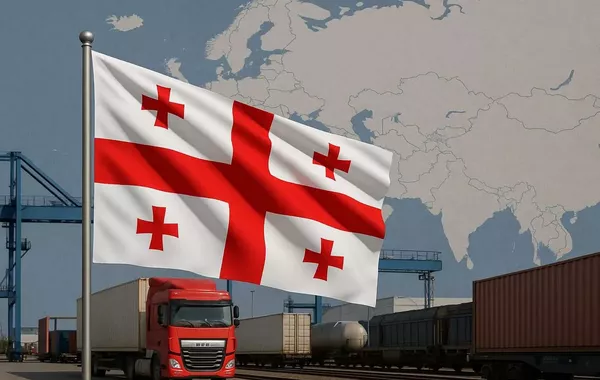
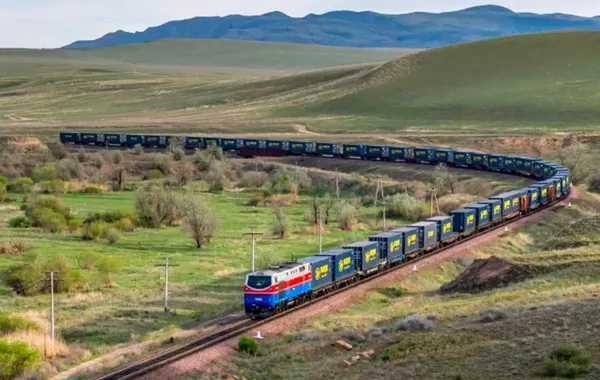
It is connected to major energy and trade routes, including Kazakhstan’s oil exports and the development of the Trans-Caspian International Transport Route, widely known as the Middle Corridor.
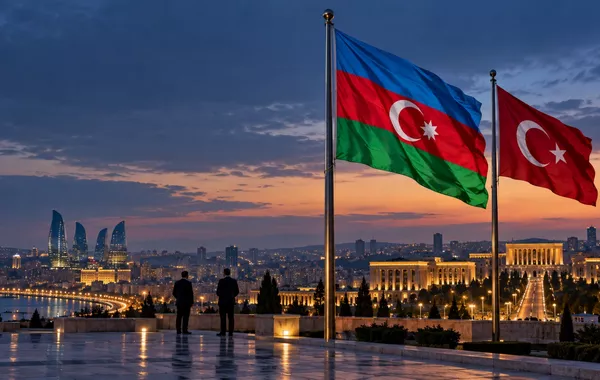
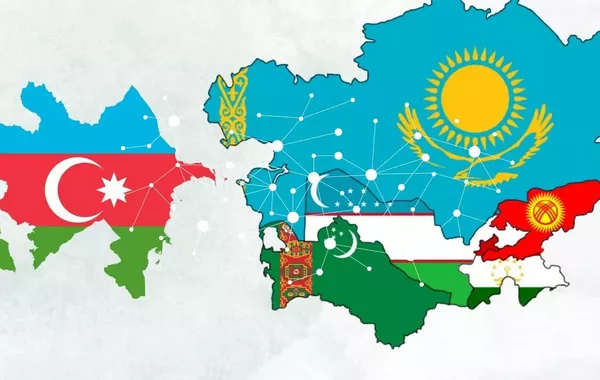
Kazakhstan is also strengthening cooperation with Azerbaijan, Türkiye and other countries on transport and connectivity across the Caspian.
This means that Kazakhstan’s ability to secure its maritime space has implications far beyond military exercises.
Kazakhstan is not a maritime power in the traditional sense, but its Naval Forces are responsible for protecting a substantial section of the country’s Caspian coastline and infrastructure of significant economic importance.
As a result, maritime security, personnel training, intelligence, communications and emergency response capabilities are becoming increasingly important.
The Main Challenge Is Not Only Modernising Equipment
Kazakhstan has increased its attention to defence and military modernisation in recent years. But the Caspian tragedy demonstrates that the effectiveness of a modern military depends on more than the number of weapons systems it possesses or the size of its defence budget.
The quality of command, personnel training, safety procedures, communications, digital command systems and the ability of officers to make rapid decisions under changing conditions are equally important.
This is why the reform that follows the tragedy could prove more significant than the replacement of a single defence minister.
If the response is limited to punishing individual officials, broader systemic problems may remain.
If, however, the investigation results in changes to exercise planning, command procedures, personnel training, equipment standards and oversight, the tragedy could become a catalyst for a deeper modernisation of Kazakhstan’s armed forces.
For Astana, this is particularly important against the backdrop of a changing security environment across Central Asia and the Caspian region.
Kazakhstan is simultaneously deepening economic ties with China, developing the Middle Corridor, strengthening relations with Azerbaijan and Türkiye, and seeking a more independent role in international affairs.
Under these circumstances, defence capabilities are becoming part of the country’s broader strategic resilience.
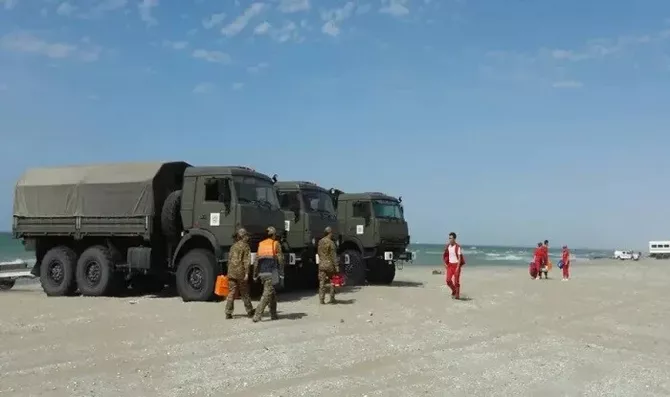
photo: getty images
A Test for Kazakhstan
The deaths of 14 servicemen are first and foremost a tragedy for their families and for Kazakhstan as a country. But the incident has also raised questions that the government must now answer.
Who authorised the operation under deteriorating weather conditions? Were the servicemen equipped with the necessary safety and rescue equipment? Who was responsible for monitoring the operation? How effective is the military’s decision-making structure? And do existing procedures meet the requirements of a modern armed force?
The answers will determine more than the outcome of the investigation.
They will show whether the Caspian tragedy remains an isolated accident or becomes the starting point for a deeper transformation of Kazakhstan’s defence system.
For Astana, perhaps the most important task in the months ahead will not simply be to determine who made a mistake, but to understand why the system itself was unable to prevent a situation that ultimately cost the lives of 14 servicemen.