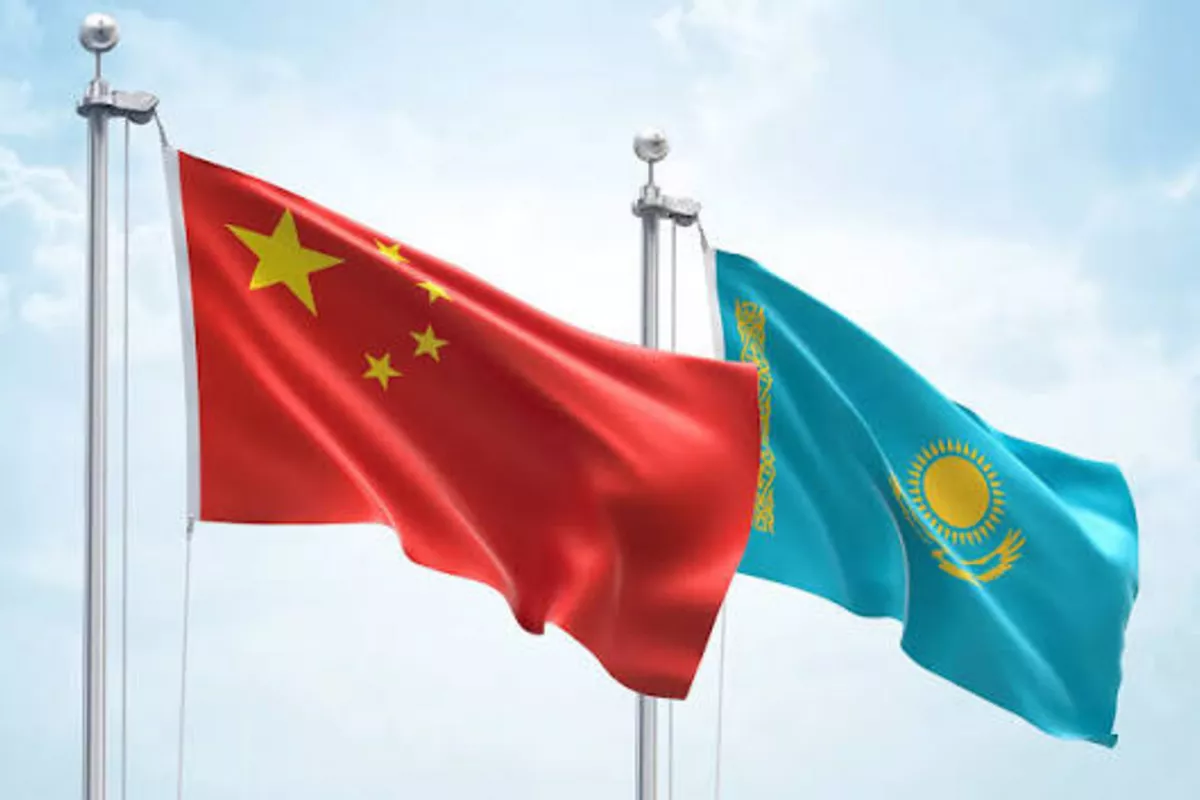
Kazakhstan and China are seeking to take their economic partnership to a new level - moving beyond the traditional model of trading raw materials and implementing individual investment projects towards the creation of integrated production chains inside Kazakhstan.
For Astana, this offers an opportunity to gradually reduce its dependence on exports of unprocessed resources. For Beijing, it provides a way to strengthen its position in one of Central Asia’s key economic hubs while gaining deeper access to regional markets.
The new approach was outlined by Kazakh President Kassym-Jomart Tokayev on 25 September at the Kazakhstan-China Investment Forum in Almaty. He called on the two countries to move from individual investment projects towards integrated industrial ecosystems capable of serving not only the Kazakh market but also providing access to Central Asian, Eurasian Economic Union, South Caucasus and European markets.
The statement goes beyond another package of investment agreements. At its core, it reflects an attempt to change the structure of economic relations between the two countries.
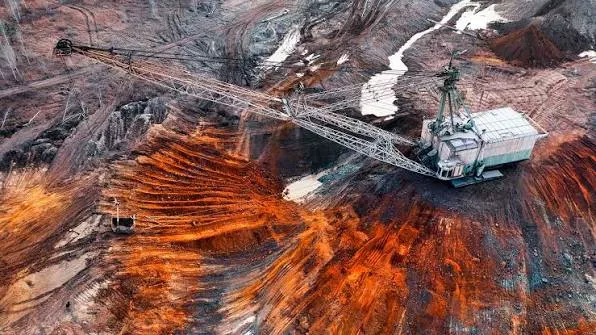
photo: caspian policy center
From Raw Materials to Value Added
Kazakhstan possesses enormous reserves of oil, gas, uranium, copper, gold, coal and critical minerals. Yet its traditional economic model has largely been built around the export of raw materials and the import of finished goods.
Astana now wants to change that model.
In September, the Kazakh government highlighted the growing role of manufacturing in the economy, while placing greater emphasis on deeper processing of raw materials, the development of industrial clusters and the production of higher-value goods.
China could become one of the key partners in this transformation.
According to Tokayev, Chinese investment in Kazakhstan has already exceeded $29 billion, while more than 9,000 companies with Chinese participation operate in the country. Last year, bilateral trade approached a record $50 billion, while the two governments have set a long-term target of increasing that figure to $100 billion.
But for Astana, the volume of trade is not the only issue.
In an interview with Chinese state news agency Xinhua, Tokayev said Kazakhstan seeks to gradually move from predominantly resource-based cooperation towards industrial and technological cooperation, creating joint manufacturing facilities, expanding deep processing and increasing the production of higher-value goods.
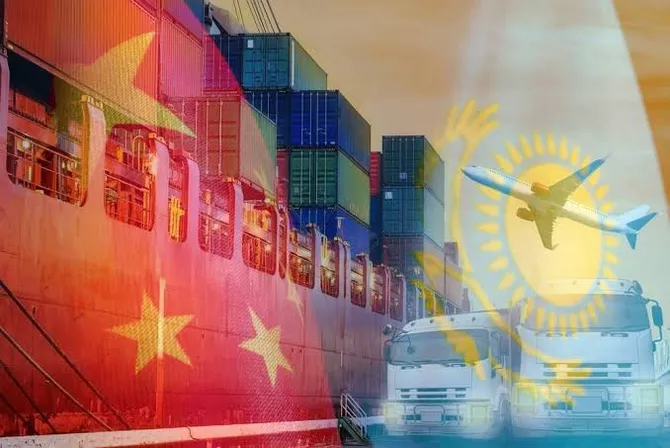
photo: The Astana Times
Trade Is Growing Alongside Investment
The scale of the transformation can be seen in the development of bilateral trade.
In 2023, Kazakhstan-China trade reached approximately $41 billion, increasing by more than 30% year on year. In 2024, according to Chinese customs data, the figure rose to $43.8 billion. In 2025, it reached a new record of $48.7 billion, representing another increase of roughly 11%.
Growth continued in 2026. During the first seven months of the year, bilateral trade reached $32.4 billion, up 24.1% compared with the same period of 2025.
In other words, between 2023 and 2025, trade between the two countries increased by approximately $7.7 billion. And in just the first seven months of 2026, Kazakhstan and China had already recorded trade worth almost two thirds of the entire volume registered in the previous year.
However, it is not only the volume of trade that is changing. The structure of that trade is also becoming increasingly important.
Kazakhstan remains a major supplier of oil, metals, uranium and other commodities to China. In 2025, oil and petroleum products accounted for around 50.5% of Kazakhstan’s exports. At the same time, Kazakhstan imports automobiles, machinery, electronics, automotive components and other higher-value products from China.
This structure explains Astana’s desire to change the model of cooperation.
For Kazakhstan, simply increasing trade volumes is not enough if exports remain dominated by raw materials while finished goods and technologies are primarily imported.
The new objective is therefore to move part of the production chain directly into Kazakhstan.
Chinese capital, technology and equipment are increasingly expected to support not only extraction and trade, but also the construction of factories, processing facilities, technology centres and export-oriented industries.
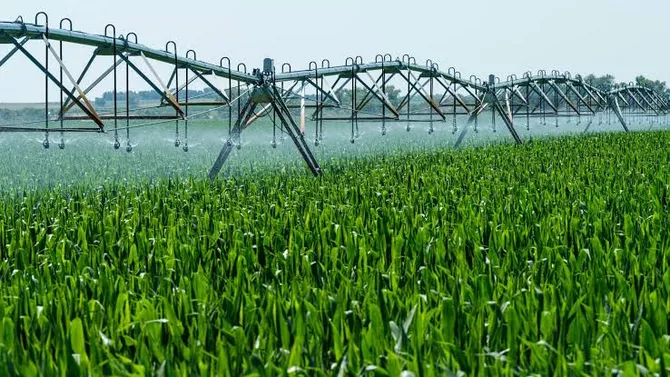
photo: getty images
260 Projects Worth $62 Billion
The existing portfolio of joint projects provides an indication of the direction in which the partnership is moving.
According to Tokayev, Kazakhstan and China have built a portfolio of 260 major joint projects worth more than $62 billion.
These projects go well beyond the extraction of natural resources.
An automotive cluster is being developed in Almaty, silicon production is being established in the Karaganda region, while Chinese companies are involved in projects covering metallurgy, petrochemicals and energy storage systems.
The agricultural sector is also becoming increasingly important, with projects involving an integrated cotton and textile cluster as well as the deep processing of corn and grain.
One particularly illustrative example is the project of China’s Fufeng Group in the Zhambyl region.
During the first stage, the company plans to invest $350 million in an industrial complex for deep corn processing with an annual capacity of up to 500,000 tonnes. The second stage would increase capacity to 3 million tonnes per year, bringing total investment to approximately $1.15 billion. The project is expected to create around 1,500 jobs and establish a complete production cycle inside Kazakhstan.
Projects of this kind reflect the emerging philosophy of bilateral cooperation: Kazakhstan provides resources, infrastructure and access to regional markets, while China contributes capital, technology, equipment and manufacturing expertise.
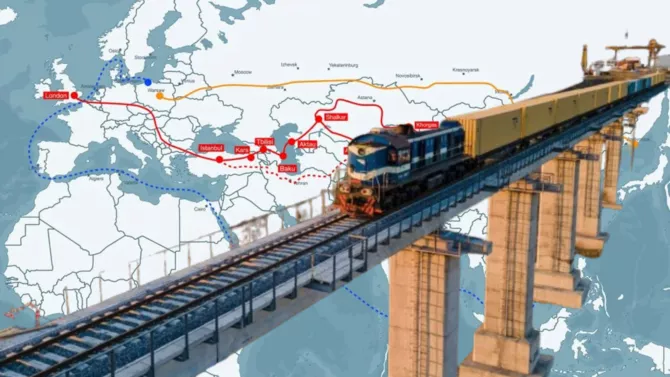
photo: getty images
Why Kazakhstan Matters to China
Geography makes Kazakhstan a natural economic partner for China.
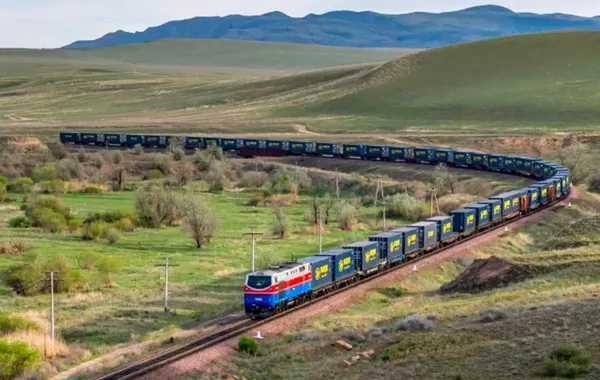
Kazakhstan lies between China’s Xinjiang region and European markets and serves as a key link in Eurasian overland trade routes. Major rail and road corridors cross the country, while the development of the Trans-Caspian International Transport Route - the Middle Corridor - provides an additional connection between China, the Caspian Sea, the South Caucasus and Europe.
But Kazakhstan now wants to be more than a transit country.
For Astana, it is increasingly important that goods do not simply pass through the country, but are manufactured, processed and assembled inside Kazakhstan.
This is why transport infrastructure and industrial production are gradually becoming part of a single economic strategy.
In July, Kazakhstan and China also launched the IBI Digital Economy Hub in Almaty, a platform designed to promote digital trade, investment, industrial cooperation and cross-border logistics.

photo: getty images
The Next Stage: Critical Minerals and Technology
One of the most promising areas of cooperation could be the deeper processing of critical minerals.
Kazakhstan possesses significant reserves of uranium, copper, gold, rare earth elements and other strategically important resources. As global competition intensifies for the raw materials needed for electric vehicles, batteries, electronics and defence industries, the importance of these resources is likely to increase.
But this is precisely where Kazakhstan is seeking to avoid a model in which it remains primarily a supplier of raw materials.
The goal is to create more value inside the country through processing, component manufacturing, engineering centres and technology localisation.
The digital sector is developing in parallel.
Tokayev has invited Chinese technology companies to participate in the development of artificial intelligence centres, data centres, research laboratories and joint engineering projects. Kazakhstan is also seeking to expand cooperation with China in AI education and the training of specialists.
This is becoming increasingly important because competition for investment in the coming years will no longer revolve solely around oil, gas and metals. Data, computing capacity, AI, robotics and industrial automation are becoming part of a new form of global economic competition.
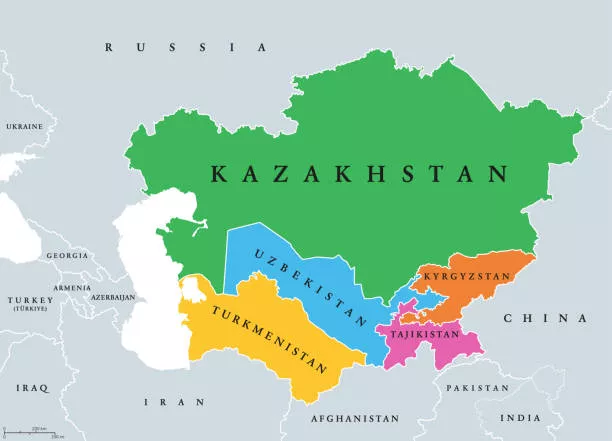
photo: getty images
What It Means for Central Asia
If the new model succeeds, its consequences will extend well beyond Kazakhstan.
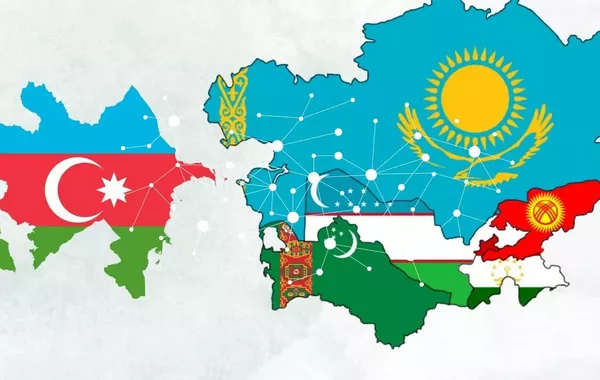
Astana wants to use Chinese investment not only for domestic development but also as a foundation for exporting finished products to neighbouring countries. This is why Tokayev has emphasised the creation of industrial ecosystems targeting markets across Central Asia, the Eurasian Economic Union, the South Caucasus and Europe.
If successful, Kazakhstan could gradually evolve from a predominantly resource-based exporter into a regional industrial and logistics hub.
For China, this model also offers advantages. Producing closer to end markets can reduce transportation costs while allowing Kazakhstan to serve as a platform for reaching a broader Eurasian market.
The model, however, also presents challenges.
Kazakhstan will need to ensure genuine technology transfer, develop a skilled workforce, strengthen the competitiveness of domestic companies and secure a meaningful share of local value added. The construction of a Chinese-owned factory alone does not necessarily amount to genuine industrialisation.
The key question, therefore, is not simply how many Chinese projects will be implemented in Kazakhstan, but how much of the production chain Kazakhstan will be able to retain within its own economy.
If Astana succeeds in turning Chinese capital and technology into domestic industrial capabilities, the current phase of cooperation could become a turning point.
Kazakhstan-China relations would then be measured not only by the value of investment or the volume of bilateral trade, but by the number of production chains established, the volume of finished goods exported, the technologies transferred and the jobs created.
That is the real significance of the shift from individual investment projects to integrated industrial ecosystems.
Kazakhstan is not simply seeking to attract Chinese capital. It is attempting to use that capital to build a new industrial model - one in which the country serves not only as a supplier of resources and a transit corridor, but also as a manufacturer of goods for a rapidly expanding Eurasian market.