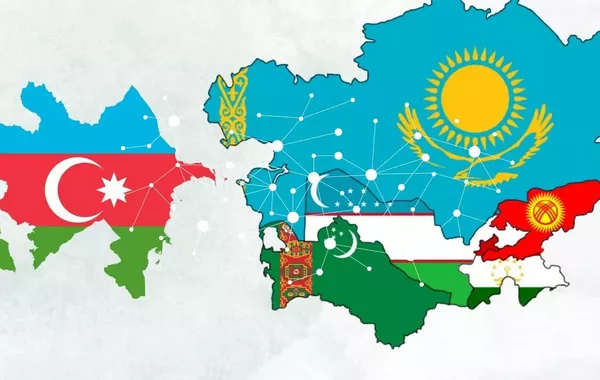
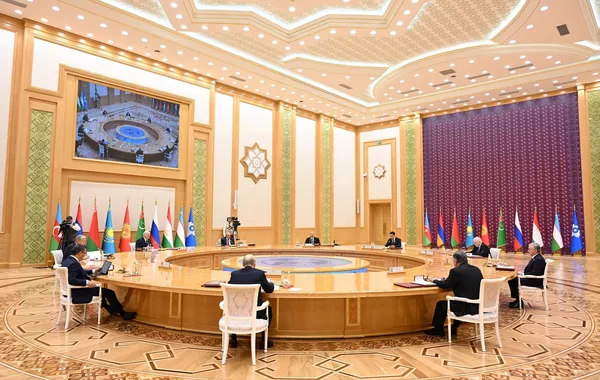
Russia, Azerbaijan, Iran, Kazakhstan and Turkmenistan have agreed on a joint programme of work to protect the Caspian Sea for 2026-2027. The decision was adopted at the seventh meeting of the Conference of the Parties to the Tehran Convention in Tehran, which coincided with the 20th anniversary of the Convention’s entry into force.
At first glance, this may look like another final document from an international environmental meeting. In reality, however, it concerns an issue that is steadily becoming one of the most sensitive challenges for the entire Caspian region. The sea is simultaneously facing falling water levels, pollution, degradation of coastal ecosystems, shrinking biological resources, and growing pressure from industry, port infrastructure and transport routes.
The main value of the agreement lies in the recognition by all five states that the Caspian’s problems cannot be resolved separately. The sea cannot be divided into “national” environmental zones. Pollution, oil spills, changes in water levels, the loss of spawning grounds and declining sturgeon populations do not stop at state borders. Any lack of coordination turns one country’s problem into a shared problem for all five.
In this regard, the 2026-2027 programme matters not merely as a framework for future cooperation. It sets out practical priorities: preventing pollution, strengthening environmental monitoring, sharing information and coordinating responses. For years, the absence of comparable data and common assessment mechanisms has made it difficult for Caspian states to develop a truly shared understanding of the challenges they face.
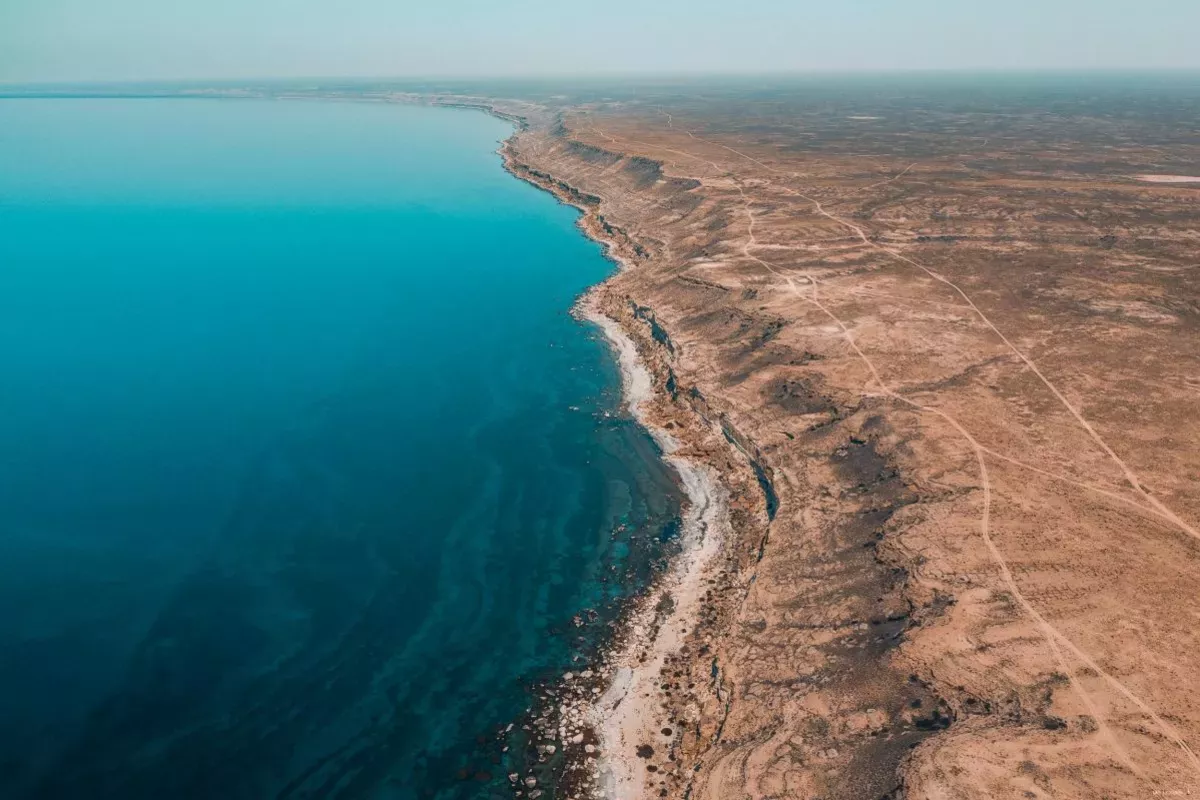
Particular attention at the session was devoted to the decline in the Caspian Sea’s water level. This is no longer an abstract scientific forecast. It is already affecting ports, fisheries, shipping, coastal cities and entire ecosystems. Retreating waters are altering shorelines, creating risks for shallow-water areas and disrupting natural habitats for birds and fish. For Azerbaijan, Kazakhstan, Russia, Iran and Turkmenistan alike, this is an environmental, infrastructure and socio-economic challenge.
Yet it is important to understand that the Caspian’s falling water level cannot be attributed solely to climate factors. Rising temperatures and evaporation undoubtedly play a major role. But the situation is also influenced by economic activity, the condition of river basins, pollution, hydrocarbon extraction and insufficient protection of vulnerable coastal areas. What is needed, therefore, is not a formal exchange of statements but a common monitoring system, access to timely data and a willingness to make difficult but necessary decisions.
photo: getty images
The implementation of the Moscow Protocol on protecting the
Caspian Sea against pollution from land-based sources also deserves special attention. Rivers, wastewater, industrial discharges, plastic and untreated runoff are often among the main threats to the marine environment. It is impossible to protect the Caspian effectively if measures focus only on its waters while sources of pollution on land remain beyond proper control.
Against this backdrop, Russia’s announcement that it has allocated funds for a project aimed at reducing plastic pollution in the Caspian is noteworthy. But a single initiative is not enough. Similar programmes must be supported by all countries of the region. Plastic, chemical waste and household litter have no nationality. Their consequences are felt by fishermen in the northern Caspian, residents of Azerbaijan’s coastal areas and communities along Iran’s southern shoreline.
For Azerbaijan, implementation of the new programme is particularly important. The country is actively developing port infrastructure, transport corridors, logistics and international connectivity through the Caspian. Baku has a clear interest in ensuring that the sea remains not an area of environmental risk, but a space of sustainable cooperation. The Middle Corridor, the development of the Port of Alat and increasing cargo flows between Central Asia, the South Caucasus, Türkiye and Europe all require a responsible approach to the marine environment. Economic development must not come at the expense of ecological degradation.
The new programme also demonstrates that environmental policy can be one of the few areas where the interests of all five Caspian states objectively converge. The countries may have different political priorities and economic approaches, but there is no alternative to cooperation when it comes to preserving the Caspian. It remains a shared natural space and a shared responsibility.
The next meeting of the Conference of the Parties will be held in Kazakhstan. By then, the key issue should no longer be the quality of declarations, but the tangible results: whether new monitoring mechanisms have been established, whether the inflow of pollutants has been reduced, whether environmental data have become more accessible, and whether the countries have begun to coordinate their actions effectively during emergencies.
The Caspian is too important for its future to depend on protocol language alone. It is a source of biological resources, a transport artery, an energy region and part of the historical identity of millions of people. It can only be preserved if the decisions adopted in Tehran are implemented not merely on paper, but in real policy, economic planning and environmental governance.