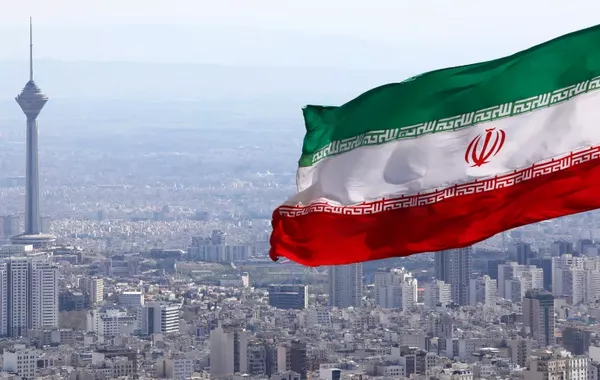
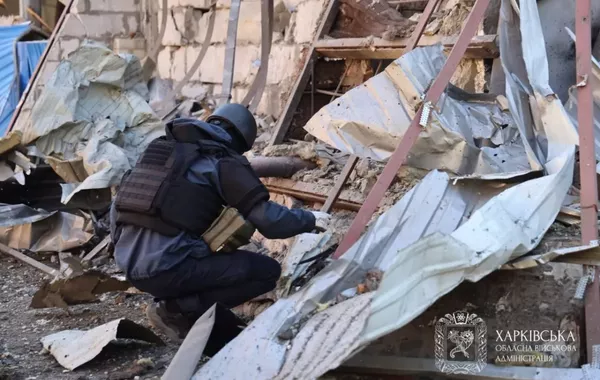
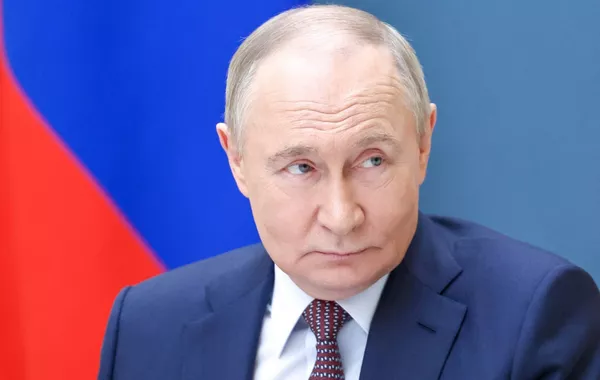
The war in Iran is reshaping global energy markets, generating short-term windfalls and long-term strategic opportunities for Russia, even as underlying structural risks persist
The US-Israel war on Iran has resulted in massive disruptions to global supply chains, with soaring commodity prices driven by attacks on energy infrastructure and Iran’s effective closure of the Strait of Hormuz. For Moscow - one of the world’s three largest hydrocarbon exporters - the crisis presents a window of opportunity to capitalise on rising energy prices and revitalise its economy, which otherwise has experienced a slowdown. With nearly 20 percent of oil and 20 percent of LNG flows transiting through the strait, its closure has increased demand for Russian energy, as evidenced by refiners scaling up purchases of Russian oil at spot rates. As instability persists, global energy markets are likely to undergo a recalibration, with countries facing acute shortages, particularly of liquefied natural gas. At the same time, sustained American focus on the Middle East will likely result in weaker enforcement of energy sanctions on Russian hydrocarbons. In the medium to long term, this environment is also set to enhance the strategic relevance of Russia’s domestic energy projects and alternative connectivity corridors.
Global Energy Markets Since February 28
Prior to the outbreak of the crisis, Russia's energy sector was grappling with three major concerns. First, the export price of Russian Urals crude averaged US$56.2 per barrel in February, reflecting a weakened global demand. Second, with the bulk of Russia’s gas value chains historically tied to Europe, the European Union’s decision to phase out Russian gas imports by 2027 generated significant domestic uncertainty. Third, coal-producing regions in Siberia and the Far East began experiencing an economic downturn amid declining global demand for coal. The fall in prices was attributed to falling demand triggered by Western sanctions. Moreover, the tightening of secondary sanctions led Indian refiners to scale back their imports of Russian oil for fear of penalties.
Since March, the implications for global energy markets have been severe, with Iran targeting refineries and gas fields in the Gulf and joint Israeli and American strikes hitting Iranian energy infrastructure. With more than 40 major energy assets hit, the scale of disruption has been substantial. The conflict has reportedly disabled around 20-25 percent of the world’s LNG capacity, prompting the International Energy Agency to warn that the crisis could have a more severe impact than the oil shocks of the 1970s.
Global Energy Trends
Fearing additional shocks, the enforcement of energy sanctions has visibly weakened. The US Treasury announced a 30-day sanctions waiver permitting India to purchase Russian oil (though the Indian leadership denies that the waiver influences its oil purchases). Additionally, a waiver was granted for spot purchases of Russian oil at sea. The escalating energy shocks have prompted Asian countries to scramble for Russian energy supplies. Like Middle Eastern crude grades, Urals is a medium-sour grade, making it highly sought after. India and China have increased their purchases, while countries in Southeast and East Asia have also begun importing Russian oil.
This spike in demand has delivered a substantial windfall for Moscow, with Russian crude prices rising by 80 percent to US$104 per barrel on 20 March. For Russia, the additional revenues generated translate into higher energy rent collections and stronger consolidation of its National Wealth Fund. Experts estimate that at an average oil price of US$80 per barrel, Russia would rake in more than US$150 million in surplus revenue per day. By the end of March, Russia is projected to earn US$4-5 billion in additional revenue.
State of the Russian-LNG sector
Similarly, demand for Russian LNG has increased, with natural gas prices reaching US$850 per thousand cubic meters in Europe. However, unlike crude oil, countries lack the capacity to store gas beyond a few months. Moreover, the production and transhipment processes for LNG differ significantly from those of oil. LNG is typically sold under long-term contracts, meaning that, given pre-existing agreements, Moscow will not be able to fully offset increased gas demand from Asian countries, which rely on the Middle East for around 90 percent of their LNG supplies.
Russian LNG projects have a design capacity of up to 42 million tonnes per year, roughly half of the combined LNG exports of Qatar and the UAE. Furthermore, compounding factors such as a shortage of LNG tankers and sanctions on Russian LNG projects are pushing global energy markets towards an LNG shortage. In light of these shortages, experts expect countries in Southeast Asia to scale up purchases of Russian coal.
Israeli strikes on Iran’s South Pars gas field and Iranian strikes on Qatar’s Ras Laffan LNG facility have further destabilised energy markets. Experts estimate that restoring these facilities could take anywhere between three and five years. This would likely prompt countries to redirect their LNG imports toward suppliers such as the United States, Australia, and Russia.
This current crisis has placed the EU in a strategic dilemma. Having pledged to wean off Russian LNG by January 2027, the sudden 15 percent shortfall in its total LNG imports from Qatar will likely cause massive disruptions in the near term, potentially prompting member states to pressure the EU to resume purchases of Russian LNG.
Favourable Geoeconomic Conditions for Moscow
With global attention pivoting away from Ukraine to the Gulf, the current crisis offers Moscow a strategic breather. Volatility in energy markets has produced signs of temporary sanctions easing, which is likely to increase spot trading of Russian oil. With the potency of sanctions diminishing, refiners may be more inclined to circumvent restrictions in the medium to long term. Should these restrictions be reimposed more stringently, Moscow is likely to offer higher discounts to refiners.
Furthermore, the crisis has amplified the relevance of corridors and sea routes less exposed to geopolitical tensions, such as the Northern Sea Route and Pacific routes. However, Russia’s utilisation of the former will remain contingent on favourable conditions, including weather, costs, and icebreaker availability.
At the same time, the crisis in the Gulf carries implications for Moscow beyond the immediate fiscal gains from energy disruptions. Secondary effects, such as inflationary pressures triggered by the crisis, have led to a spike in freight rates for bulk carriers and oil tankers, while transportation along the International North-South Transport Corridor has reportedly seen disruptions. In addition, Ukrainian drone attacks on Russian refineries continue to pose a threat to domestic energy supply chains. Taken together, while these exogenous shocks may temporarily ease external pressure on Moscow, they simultaneously exacerbate underlying structural vulnerabilities.
Implications for India
For New Delhi, which had recalibrated its energy sourcing since November last year - with refiners shifting back to Middle Eastern crude grades following US sanctions on Russian oil firms Lukoil and Rosneft - Russian oil has once again made a comeback. Imports rebounded to an estimated 1.8 million barrels per day in March, with refiners locking in new supply agreements with Russia.
Additionally, domestic gas shortages have led New Delhi to express interest in sourcing liquefied petroleum gas from Russia. Despite ongoing efforts to diversify oil imports from third countries, the current crisis has reinforced the imperative of strengthening energy security, within which Russia will retain a significant role. The crisis has also enhanced the strategic relevance of the Eastern Maritime Corridor between Vladivostok and India’s eastern ports as a key energy transit route. Taken together, these developments underscore Russia’s continued relevance in India’s energy basket, even amid the persistent threat of sanctions.