Photo credit: Freepik.com
Tajikistan has officially renamed one of the planet’s most important freshwater reserves, giving the former Vanjyakh Glacier a new national identity: the Tajikistan Glacier.
The decision was approved under a government decree signed on June 3, marking a significant moment for the Central Asian nation, which is home to some of the world's most extensive mountain ice reserves, The Caspian Post reports via Khovar.
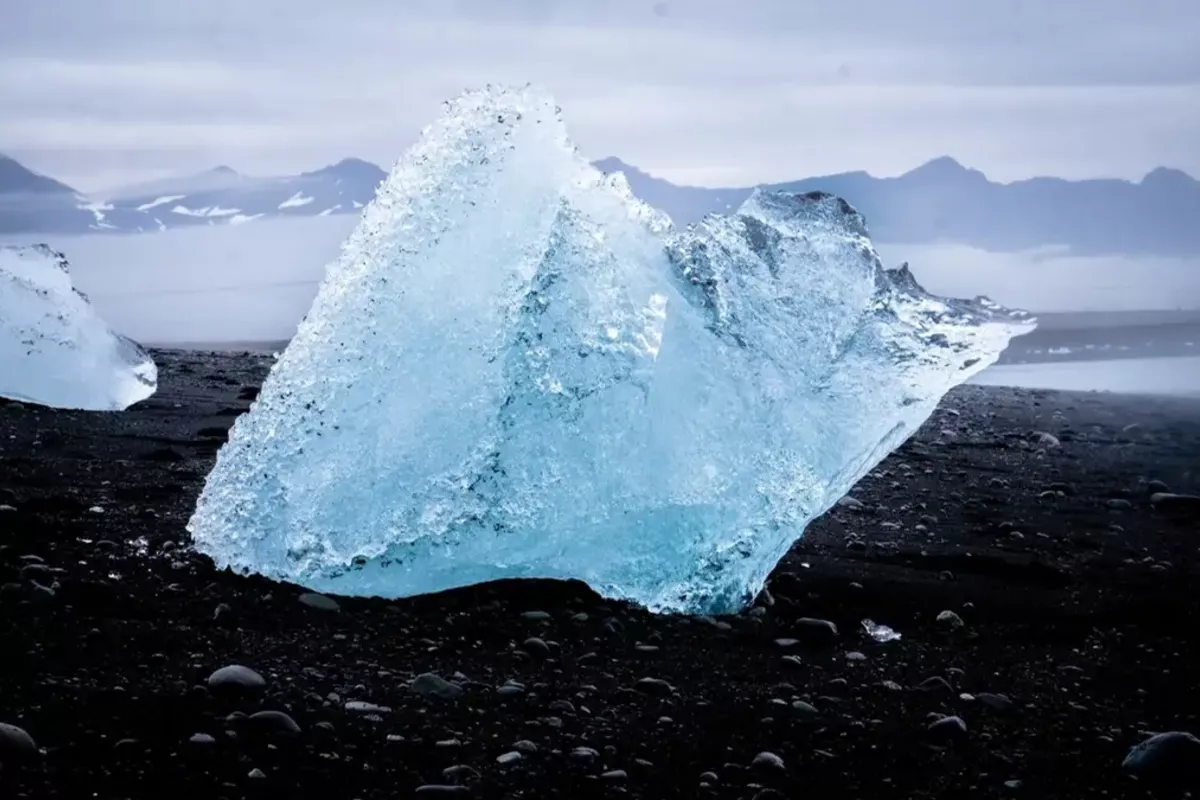
The newly named Tajikistan Glacier is the largest glacier in Tajikistan and the biggest glacier on Earth outside the polar regions.
Stretching approximately 77 kilometers and covering nearly 700 square kilometers, it ranks as Eurasia’s third-largest glacier, behind only the famous Siachen Glacier and Baltoro Glacier in the Karakoram Mountains.
The glacier system includes nearly 100 smaller glaciers and serves as one of Central Asia’s most critical sources of freshwater.
The glacier was at the center of major international research efforts in 2025 through the RECAP (Research on Climate and Cryosphere in the Pamirs) project, which brought together scientists from Tajikistan, Germany, and France.
Researchers installed autonomous monitoring stations at elevations above 5,000 meters, enabling real-time transmission of climate and glaciological data to global research networks.
The project aims to create a long-term monitoring system capable of tracking glacier retreat and assessing the impact of climate change on regional water resources.
Experts consider the Tajikistan Glacier a key indicator of future freshwater availability across Central Asia, where millions of people depend on meltwater originating in the Pamir Mountains.
The data collected from the glacier is expected to improve understanding of how rising temperatures are affecting ice reserves and river systems throughout the region.
The renaming comes as Tajikistan continues to draw international attention to the issue of glacier loss. Officials have repeatedly warned that shrinking glaciers pose a serious threat to water security, agriculture, energy production, and economic development across Central Asia.
As climate pressures intensify, the Tajikistan Glacier is becoming more than just a geographic landmark-it is emerging as one of the region’s most important symbols in the global fight to understand and address climate change.
Share on social media