photo: Agency for the Control of Drugs and Firearms
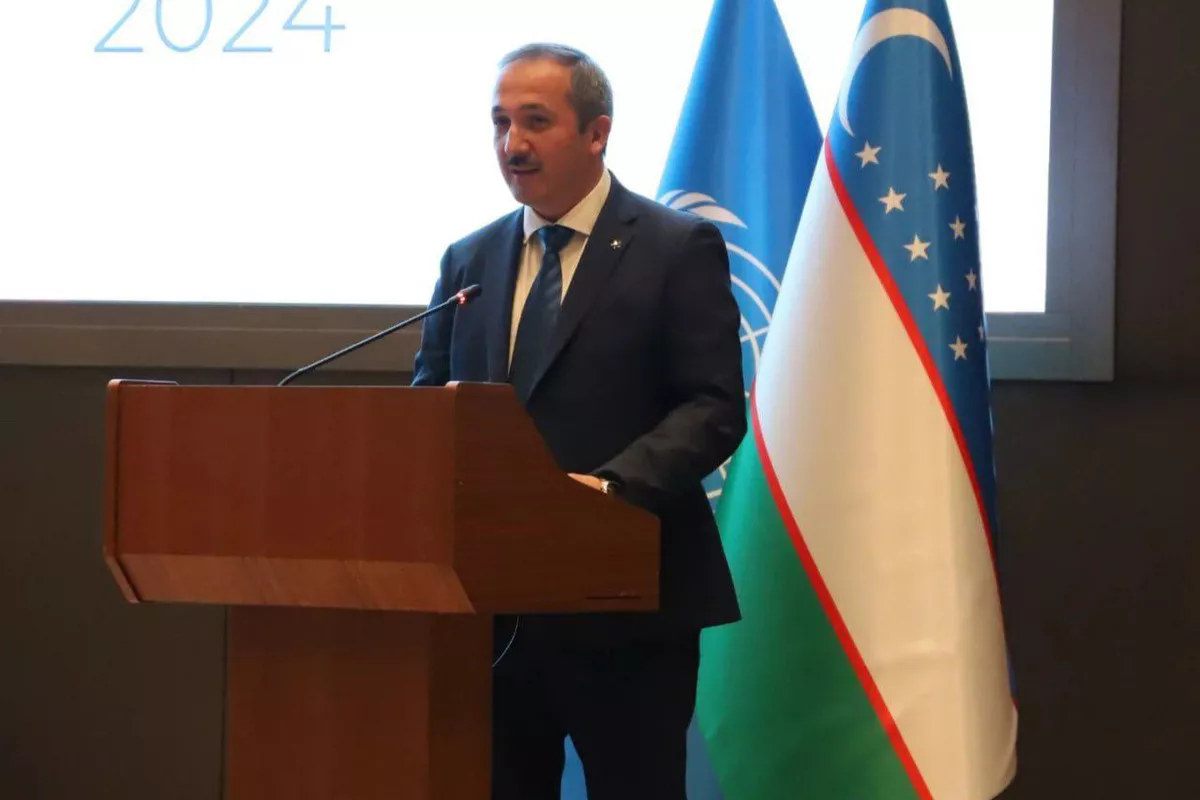
Uzbek President Shavkat Mirziyoyev has signed a decree dismissing Ravshan Mamatov from his post as director of the Agency for the Control of Drugs and Firearms under the Presidential Administration.
The decision follows sharp criticism voiced by the president a day earlier during a high-level meeting on combating crime, The Caspian Post reports via Uzbek media.
Mirziyoyev said the agency’s work had effectively been limited to analysis and international cooperation, warning Mamatov that his fitness for office would be reviewed if there were no changes.
The president announced that the agency’s responsibility would be strengthened and that it would be granted broader powers to coordinate the agencies, oversee their work, and assess performance. “The agency will be provided with all the necessary forces and resources,” the presidential press service said.
At the meeting, officials reported that last year 64 crimes in Uzbekistan were committed under the influence of drugs, with every third case recorded in Tashkent. Over the past five years, the volume of synthetic drugs seized in the capital has increased 11-fold. Authorities said 95 per cent of synthetic narcotics are distributed online, with payments made in cryptocurrencies, while drug laboratories have begun operating inside the country.
Mirziyoyev also noted a lack of determination among those responsible for fighting drug crime and organized groups to reach the ultimate sources and sponsors of trafficking networks. Over the past three months alone, law enforcement detained members of nearly 50 major drug groups and seized half a ton of narcotics, he said.
In December, officials reported that the number of patients with drug dependence had risen by 53 per cent over the past five years, while the number of registered users of synthetic drugs increased fourfold. Earlier, Mamatov himself said drug-related crimes had doubled over the same period, warning of the growing spread of so-called “pharmacy drug abuse” among young people.
Share on social media