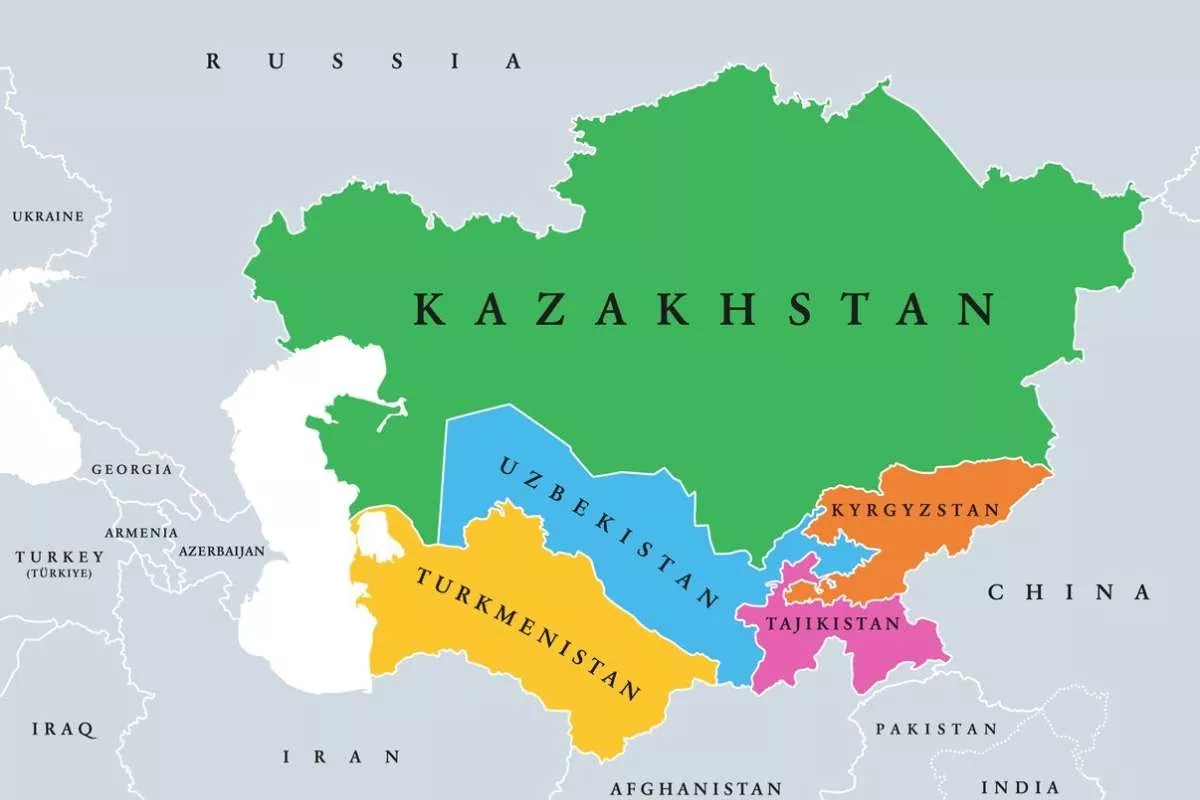
Central Asia is rapidly emerging as a focal point of global competition, as major powers vie for influence across a region rich in energy resources and strategically positioned between Europe and Asia. In an analysis published by the European Council on Foreign Relations, experts explore how shifting geopolitics, China’s growing but contested presence, and renewed interest from the EU, the US, Türkiye, and others are reshaping Central Asia into a key arena where energy security, transport routes, and political alignment intersect.
Central Asia, a region of over 80 million people, rich in resources and serving as a strategic land bridge between major global markets, is increasingly seeking diverse partnerships. Historically influenced by Russia and currently heavily dependent on China, its countries are eager to strengthen their ties with Europe.
In April 2025, the inaugural Central Asia-EU summit in Samarkand marked a significant milestone, elevating relations to a strategic partnership. The EU announced €12bn in investments as part of Global Gateway, fuelling aspirations for cooperation in energy, infrastructure and trade. Clean energy presents the most promising area for EU collaboration. The region needs technology to tap into the full potential of its rich reserves of fossil fuels and rare earth minerals, resources the EU needs.
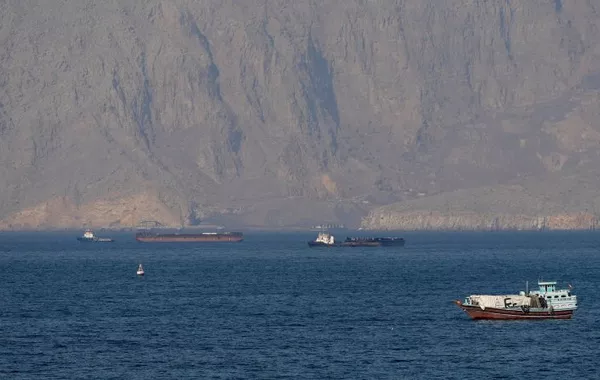
Furthermore, Central Asia’s strategic location is crucial for the Middle Corridor, also known as the Trans-Caspian International Transport Route, an integrated transportation route connecting China and Europe that circumvents Russia. The Middle Corridor is of particular interest to Kazakhstan and Uzbekistan, the region’s largest economies and the best positioned to cooperate with Europe.
Turkmenistan continues to adhere to a rigid foreign policy of permanent neutrality. Tajikistan, still grappling with the devastation of the 1990s civil war, remains the region’s poorest and is heavily dependent on Moscow and China. And Kyrgyzstan, despite being the most democratic country in the region-evidenced by revolutions in 2005 and 2010 that forced leaders into exile-and having experienced rapid GDP growth in recent years (9% in 2024), still has a structurally weak economy, with limited diversification and an underdeveloped private sector.
In contrast, Kazakhstan’s strong-enough economic position allows it to more effectively implement what it calls a multi-vector foreign policy and balance its relationships with China and Russia. Uzbekistan has pursued a cautious liberalisation since the death of Islam Karimov in 2016, opening the doors to increased cooperation with the West. The new leader, Shavkat Mirziyoyev, has also prioritised resolving the many border disputes that previously hindered regional collaboration. In 2025, he convened with the leaders of Kyrgyzstan and Tajikistan in Khujand to sign agreements demarcating the tri-state border and establishing a formal declaration of friendship. Soon after, Kyrgyzstan and Tajikistan, which arguably had endured the most complex and violent border dispute since the Soviet collapse, also signed a historic border agreement. With territorial boundaries clarified and pacts to manage vital water resources, the region is increasingly becoming more integrated, facilitating cooperation with external partners.
However, despite this push to diversify their international relations, Central Asia remains wary of antagonising Russia, a concern the EU must carefully consider. Kazakhstan, in particular, is an active participant in Russia-led multilateral bodies-the Commonwealth of Independent States (CIS), the Collective Security Treaty Organization (CSTO) and the Eurasian Economic Union (EEU), as well as the China-led Shanghai Cooperation Organisation (SCO). China’s significant economic presence in the region, particularly through the Belt and Road Initiative (BRI), also poses a challenge for the EU. As Chinese-led investment and infrastructure projects flourish, the EU must strive to present attractive alternatives.
This paper makes the case for deeper EU energy cooperation with Central Asia. By supporting Central Asia’s quest for diversified partnerships, the EU can significantly bolster its energy security while deepening its strategic position. The paper will first chart the region’s shifting geopolitics: Russian dominance is eroding, China’s economic weight is rising but is persistently dogged down by public resistance, and the US, Türkiye and Azerbaijan are stepping up their game. It will then map Central Asia’s energy and resource offer, from fossil fuels and critical raw materials to renewables and early-stage hydrogen, and assess what the EU is currently doing, from partnership agreements and financing tools. Finally, it will identify the main barriers to cooperation and offer practical recommendations for both Central Asian governments and the EU to turn promises and potential into tangible projects.
photo: National Geographic Kids
Russia’s dwindling role
Historically, Russia has been Central Asia’s main political, military and economic partner. Moscow continues to maintain this influence through deep economic links, labour migration from these regions to Russia (especially from Tajikistan, where remittances account for half of its GDP), security guarantees via the CSTO (of which Kazakhstan, Kyrgyzstan and Tajikistan are part of) and cultural and linguistic ties.
This influence has lately begun to decline, especially in the wake of Russia’s invasion of Ukraine. Central Asian countries are increasingly viewing Russia not only as a partner but as a potential source of risk. This shift is reflected in both public attitudes and policy decisions. While historically Russia has enjoyed favourable views among the populations of these countries, polls conducted since 2022 paint a somewhat different picture. Besides, more than half of the region’s population is under 30 years of age, and their ties to Russia are much looser than those of their parents or grandparents.
All Central Asian countries have maintained a neutral stance on Russia’s military operation in Ukraine. None has recognised the annexation of Ukrainian territories or provided military support, although they have avoided openly criticising Moscow. Their neutral stance is also reflected in their voting patterns on related UN resolutions, where they often abstain or choose to be absent.
Kazakhstan in particular has taken notable steps to distance itself from the Russian military operation. For example, it declared support for Ukraine’s territorial integrity and unequivocally rejected the possibility of recognising the independence of the so-called Donbas republics before Russia’s illegal annexation of these regions in September 2022. Around 15% of Kazakhstan’s population is comprised of ethnic Russians, most of whom live in the northern part of the country. The fact that Russian public figures continue to make statements questioning Kazakhstan’s sovereignty over these areas has further prompted Kazakhstan to seek stronger ties with Western partners. This shift is particularly notable considering that, as recently as January 2022, Russian troops were dispatched to the country to quell protests over fuel price hikes.
However, Kazakhstan and Kyrgyzstan remain key for Russia to circumvent Western sanctions. Russia has extensively used these countries for parallel imports and re-exports of sanctioned goods, including dual-use technologies critical to its economy and military. This also helps explain the increase in trade turnover between Russia and Central Asia since 2022.

photo: Unsplash
China’s soft power struggle
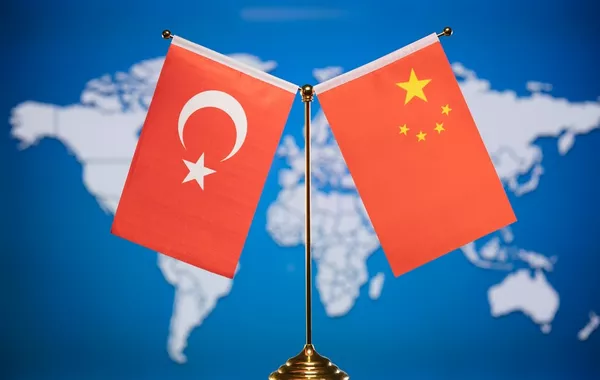
In this century, China has emerged as a major economic partner for Central Asia. It is the main trading partner of all countries except Kazakhstan, whose top partner is the EU-although China does not trail that far behind. In Kyrgyzstan and Tajikistan, China is also the main creditor and investor, and all countries in the region participate in the BRI.
By 2019, a total of 261 projects involving Chinese participation were underway in Central Asia, either through the BRI or bilateral initiatives, including a railway line from China through Kyrgyzstan to Uzbekistan, currently under construction. This route would bypass Russia and potentially Central Asia to South Asia via Afghanistan in the future. From Central Asia’s perspective, the cross-regional BRI projects are not a path to dependence on China, and are believed to align well with its ambitions for greater regional cooperation.
However, public attitudes towards Beijing across the region have long been negative. Underlying much of this antipathy is a blend of historical grievances and racism, compounded by concerns with the labour and environmental practices of Chinese firms. China’s demographic superiority fuels fears of migration, job stealing and interethnic marriage, while its treatment of the Uyghur minority in Xinjiang, while not necessarily generating widespread sympathy, fosters perceptions of China as “anti-Muslim”.
In Kyrgyzstan in particular, being the more democratic country in the region (at least before Sadyr Japarov came to power), anti-Chinese protests are notably frequent. In 2020, a $275m Chinese project to build a logistics centre in the eastern part of the country was abruptly cancelled following local demonstrations. Similar small-scale protests have also occurred in Kazakhstan, and even in further away Uzbekistan, anti-China sentiment has emerged on social media.
While China has long dismissed these sentiments as the “China threat theory,” there is a growing recognition among Chinese policy experts of the limitations of China’s soft power in the region. BRI policy documents emphasise the importance of cultural, artistic and media exchanges to mitigate these negative perceptions. Although there is some evidence of younger generations in Central Asia viewing China more favourably, this shift has yet to significantly influence overall public sentiment.
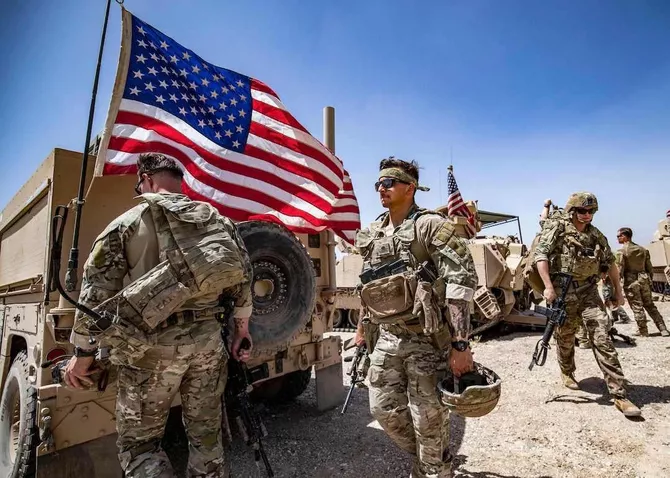
photo: Stacker
Renewed US involvement
The perceived lack of US interest in Central Asia has long faced criticism. In 2022, the US launched the Economic Resilience Initiative in Central Asia (ERICEN), focusing on expanding trade and strengthening the private sector and human capital. The initial funding for this initiative was set at only $30m, expanded to $50m in 2023 following a visit by then-Secretary of State Antony Blinken to Kazakhstan and Uzbekistan (the first visit by a US Secretary of State in three years). Experts have said that the funding is insignificant compared to what other powers are bringing in.
But there are reasons to believe this could change. In the Central Asia-US summit held in Washington in November 2025, all participating countries signed a Joint Statement of Intent on Economic Cooperation, along with several bilateral agreements with select nations. Kazakhstan and the US signed a memorandum of understanding on critical minerals and rare earths. Kazakhstan has reserves or production capacity for about half of 54 minerals considered essential for national security by the US Geological Survey.
In addition, the US and Kazakhstan have established a joint venture to develop tungsten deposits in North Katpar and Upper Kairakty, some of the world’s largest. The American Cove Capital holds a 70% stake in the joint venture and controls metal sales, while the Kazakh Tau-Ken Samruk, a state company, holds the remaining 30%. Total investment amounts to approximately $1.1 billion. This move reflects the American strategy to diversify its supply of critical raw materials beyond China.
The US also signed bilateral agreements with Uzbekistan on rare earths, including tungsten. To operationalise these objectives, the partners have agreed to form a Joint Working Group, which will conduct technical and financial feasibility studies and coordinate investment.
While renewed US involvement could contribute to the relevance and development of the Middle Corridor, it could also pose a challenge for the EU. A more pragmatic US administration is unlikely to impose the stringent requirements and conditions for which EU engagement is known. Europe risks being sidelined in a region where big powers compete for influence and resources.
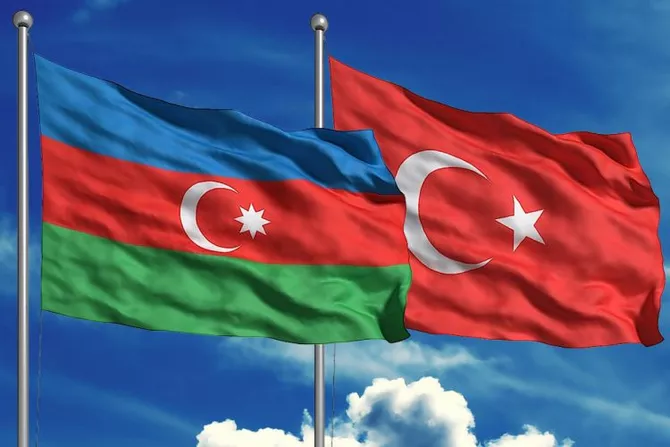
photo: Azerbaijan Realities
Enter Türkiye (and Azerbaijan)
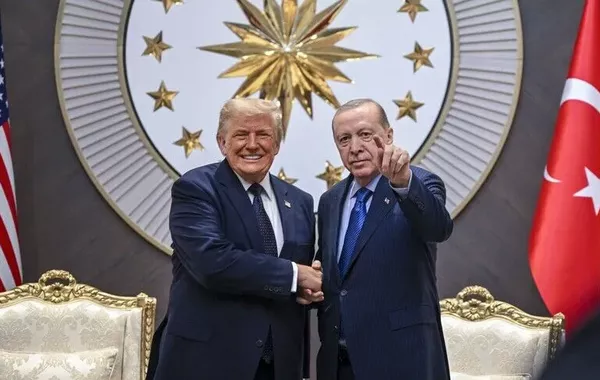
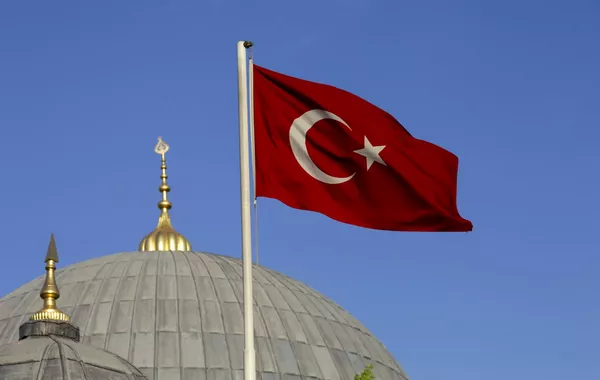
Thanks to its shared ethnic, linguistic and cultural ties in Central Asia, Türkiye is well-positioned to capitalise on Moscow’s waning influence. While the role of the Organisation of Turkic States (OTS) is still limited, and Türkiye cannot yet match Russia’s established position in security or the scale of Chinese investment, Ankara is not standing still.
As Central Asian nations seek to reduce their dependence on Russia for energy transportation, Türkiye is increasing investments in infrastructure along the Middle Corridor, of which Azerbaijan is of course a key piece. Baku is pursuing several joint energy projects with Central Asian countries, viewing them as means to strengthen its role as a transit hub between Asia and Europe and increase the energy significance of the Caspian Sea region. This outreach culminated in November 2025, when Azerbaijan was formally admitted as a full participant in what had been the C5 format of Central Asian presidents. Some commentators have suggested that this has marked the beginning of the C6 format. Such cooperation not only enables Azerbaijan to diversify its fossil fuel exports but also paves the way for future investments in clean energy, deepening its strategic partnership with the EU.
For Azerbaijan, the Middle Corridor is not only a transport route but also a geopolitical project.
However, Azerbaijan’s ambitions to strengthen cooperation with Central Asia are not uniformly embraced by all Central Asian countries. While Uzbekistan is more open to it (the Uzbek president called for setting up the Community of Central Asia with Azerbaijan included, for example), Kazakhstan and Kyrgyzstan, the two members of the Russia-led Eurasian Economic Union, seem to be more cautious. Nevertheless, increased engagement with Azerbaijan and Türkiye, along with the region becoming more integrated, present positive opportunities for Europe.