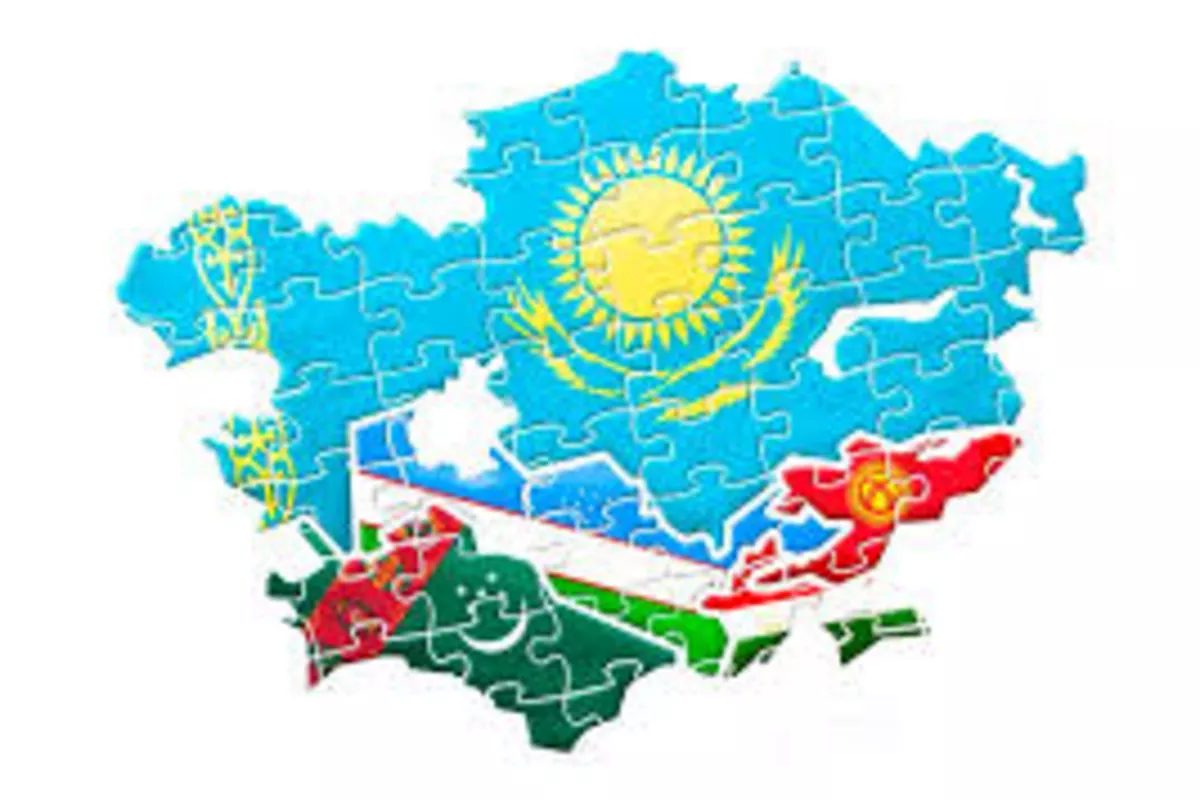
The Asian Development Bank features that integration and reform are key to Central Asia’s economic future, as the Caucasus and Central Asian countries continue to post strong growth despite global uncertainty.
Despite heightened global uncertainty and persistent geopolitical tensions, the Caucasus and Central Asia have continued to surprise on the upside. Growth in the subregion, which includes Armenia, Azerbaijan, Georgia, Kazakhstan, Kyrgyz Republic, Tajikistan, Turkmenistan, and Uzbekistan, has averaged about 5.5% during 2022-24, exceeding expectations and outpacing most emerging markets. This strong growth momentum has been fueled by robust domestic demand, buoyant remittances, spillovers from trade diversion in recent years, and high commodity prices-particularly for hydrocarbons and gold.
But this strength has also brought risks: most economies are now operating above potential, inflation remains elevated, and rapid credit expansion is adding to demand pressures-clear signs of overheating and limited room for policy maneuver. This highlights both the strength of the subregion’s rebound and the limits of its current growth model.
The challenge now is to sustain this progress-and that will not be easy. Fiscal buffers are narrowing as infrastructure and social spending rise, while strong credit growth and still-high import demand are straining external balances. At the same time, weaker global demand and ongoing fragmentation are reshaping trade and investment flows.
Despite recent gains, the subregion remains only partially connected to global and regional markets. Intraregional trade still accounts for less than 5% of subregional GDP, and persistent gaps in infrastructure, logistics, and regulatory alignment continue to constrain competitiveness.
To turn today’s gains into lasting prosperity, countries will need to pivot from demand-driven to productivity-led growth-accelerating reforms that strengthen governance, boost private investment, and deepen economic and financial integration. These reforms, anchored in stronger regional cooperation and sound domestic policies, will form the two pillars of sustained resilience and opportunity for the decade ahead.

photo: The Caspian Post
Regional Integration and Domestic Policies
Resilience in the Caucasus and Central Asia rests on two mutually reinforcing pillars-deeper regional cooperation and integration and sound domestic macroeconomic and structural policies.
Deeper regional integration offers one of the most powerful avenues for sustaining growth and resilience. Stronger links in trade, transport, finance, and energy can help countries diversify markets, attract investment, and cushion external shocks. The potential is significant: intraregional trade, though increasing in recent years, remains modest compared with other emerging regions. Removing barriers-such as weak infrastructure, regulatory fragmentation, and limited institutional capacity-would generate large efficiency and resilience gains.
Collective investments in regional public goods, including modern transport corridors, cross-border energy and payment systems, harmonized standards, and digital connectivity, would raise competitiveness and expand the subregion’s collective capacity to respond to shocks.
But integration alone is not enough-it must be underpinned by strong domestic policies and structural reforms. Countries need credible medium-term fiscal frameworks, independent monetary and financial institutions, and sound governance to maintain stability and investor confidence.
Structural reforms should focus on boosting productivity and diversifying production toward higher value-added goods and services, improving firms’ ability to participate in and move up global value chains. Policies that enhance innovation, upgrade skills, and improve infrastructure and logistics will be key to raising competitiveness and attracting investment. With these foundations in place, regional integration can become a lasting source of inclusive and sustainable growth.
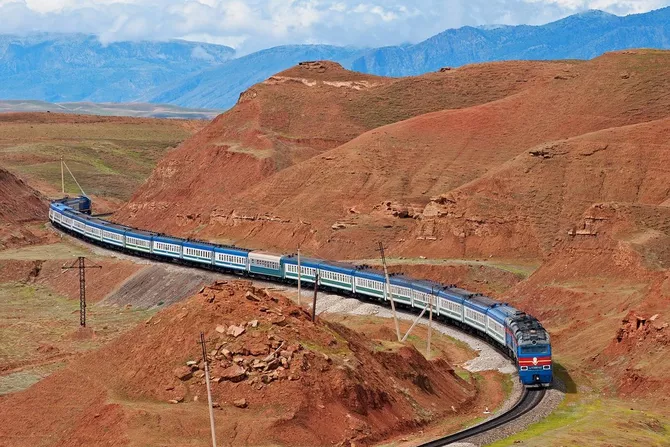
Photo: old.gov.uz
A New Era for Regional Cooperation
Regional cooperation in the Caucasus and Central Aisa is gaining new momentum. Once driven largely by external partners, integration is now increasingly championed by the countries themselves. Intraregional nonenergy trade more than doubled between 2017 and 2023, while landmark projects such as the People’s Republic of China (PRC)-Kyrgyz Republic-Uzbekistan railway and new cross-border water-sharing agreements are advancing.
The “C5+1” platforms with major partners-which provide opportunities for interaction among the five Central Asian nations and partners including the United States, the European Union, Japan, and PRC-have deepened dialogue and coordination, giving the subregion a more unified voice in global forums. These developments mark a shift from discussion to delivery, though progress remains uneven and require sustained political and institutional commitment.
Turning this momentum into lasting economic transformation will require strong institutional anchors and well-functioning regional platforms. Initiatives such as the Central Asia Regional Economic Cooperation (CAREC) program can help translate dialogue into tangible outcomes-facilitating investment, harmonizing standards, and fostering cross-border knowledge sharing. Development partners can play an important complementary role by providing financing, technical assistance, and serving as trusted conveners for sustained policy coordination.
Empirical analysis underscores the large untapped potential of integration. According to the International Monetary Fund’s gravity-model estimates, Caucasus and Central Asian countries trade between 15% and 20% below their potential, and intraregional trade remains roughly 14% below what fundamentals would predict. The subregion’s export basket also remains heavily concentrated in low-value commodities, with limited participation in global value chains.
Yet, the payoff from reforms could be substantial: closing just one-fifth of the policy and infrastructure gaps with advanced economies could raise exports by 60-80% and GDP by 6-10 percentage points over the course of five to seven years-with the effects more pronounced in landlocked countries.
To realize this promise, the next phase of cooperation must focus on deepening trade facilitation, reducing non-tariff barriers, upgrading infrastructure, and aligning regulations. Equally important, domestic reforms are needed to enhance competitiveness-by improving the business climate, investing in innovation, and supporting higher-value production that can move Caucasus and Central Asian economies up the global value chain. Regional initiatives on logistics corridors, digital connectivity, and energy networks can then amplify these domestic efforts, turning geography into an asset rather than a constraint.
For the Caucasus and Central Asia, regional cooperation is not optional-it is essential. Sound macroeconomic management must go hand-in-hand with integration to sustain growth, preserve stability, and build resilience. In a world of recurring disruptions-from frequent extreme weather events and disasters to global fragmentation-collective action offers the most effective path to shared prosperity. By coupling credible domestic reforms with a new era of regional connectivity, Caucasus and Central Asian countries can transform today’s momentum into tomorrow’s opportunity.