Water scarcity in Central Asia is emerging as a strategic risk with implications far beyond the region itself, affecting supply chains, energy security, and geopolitical stability for both China and the European Union. In an analysis published by South China Morning Post, Genevieve Donnellon-May argues that shrinking rivers, rising competition for resources, and climate pressure could disrupt trade corridors and investment projects linking Central Asia with Beijing and Brussels-making water management not just a regional concern, but a global one.
Central Asia’s water insecurity may seem a distant concern. But its rivers underpin Eurasian trade corridors, sustain global food markets and power regional energy systems. As water stress worsens, this is no longer just an environmental issue but a strategic threat across Eurasia - demanding urgent attention in Beijing, Brussels and beyond, The Caspian Post republishes the article.
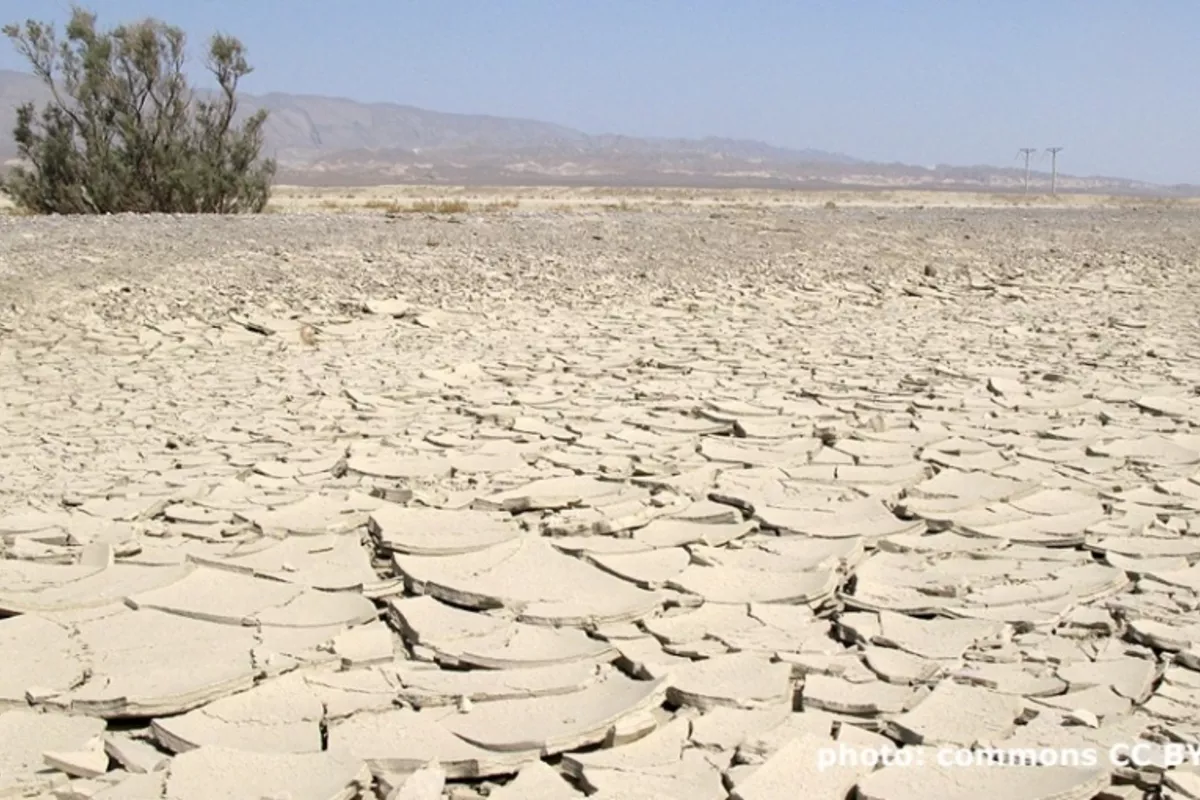
Central Asia is warming twice as fast as the global average, accelerating glacier retreat in mountain ranges that act as natural reservoirs. As a result, flows in the major transnational rivers are becoming more volatile while droughts grow more frequent. These shifts strain agriculture and hydropower, undermine rural livelihoods and deepen socio-economic vulnerabilities across the region.
For Beijing, these risks are immediate. Western China and Central Asia share key river basins, making water security a cross-border concern. Unpredictable flows strain agriculture and industry in Xinjiang, while water scarcity compounds socio-economic pressures in sensitive border regions - an issue Beijing monitors closely.
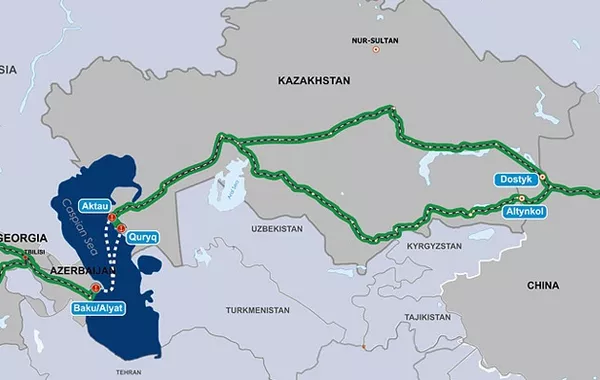
Climate stress in Central Asia also affects the Belt and Road Initiative. Transport corridors, industrial zones and logistics hubs depend on predictable water and energy supplies. Meanwhile, disruptions to food imports from Kazakhstan and instability in regional energy exchanges affect China’s western development strategy and the long-term viability of its Eurasian corridors.
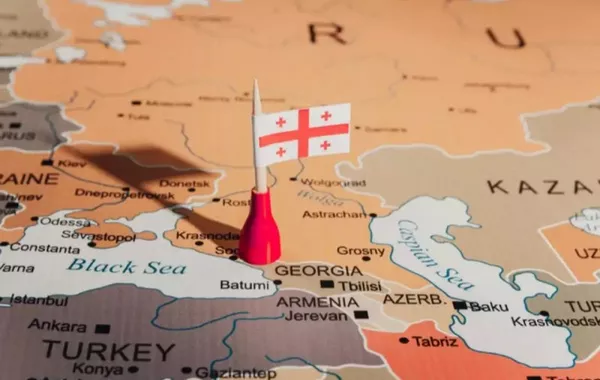
Europe faces parallel exposure. The European Union is investing heavily in the Trans-Caspian International Transport Route as an alternative to routes transiting Russia and a part of supply chain diversification. The EU, together with partner institutions, is also accelerating investment in the Global Gateway framework to support connectivity in Central Asia.
But the persistent threat of climate volatility looms large over the corridor’s reliability: water shortages can disrupt industry and agriculture, strain power networks and increase operational risks for transport and logistics, undermining Europe’s goals of resilient connectivity and strategic autonomy.
Food security adds another global dimension. Central Asia is a major wheat producer, with Kazakhstan among the world’s leading exporters. Water shortages that reduce output ripple through global markets, affecting import-dependent regions in the Middle East and South Asia, and contributing to price volatility in Europe. Disruptions in Central Asia add another layer of fragility to stressed global food systems.
photo: Caspian News
Efforts are under way to address the region’s growing water challenges. Kazakhstan, the region’s largest state, has modernised parts of its water governance framework, invested in more efficient irrigation systems and expanded its renewable energy capacity to reduce reliance on water-intensive thermal power plants. The government has also sought to make water cooperation a regional priority, recognising that upstream-downstream tensions cannot be managed unilaterally.
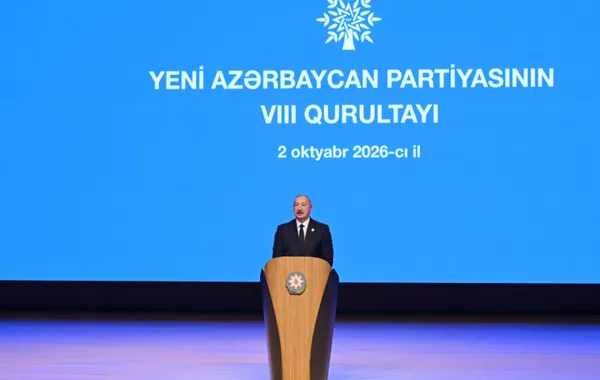
This was highlighted in a recent speech by Kazakh President Kassym-Jomart Tokayev, who cited the partial recovery of the Northern Aral Sea and stressed that Kazakhstan’s progress ultimately depends on cooperation with upstream neighbours, as most major rivers originate beyond its borders. He emphasised “skilful water diplomacy”, noting Astana has concluded water-use agreements with all Central Asian states, while highlighting that long-term solutions for shared basins require regional consensus.
Tokayev also reiterated Kazakhstan’s proposal to establish an International Water Organisation under the United Nations to manage climate-driven water stress and prevent wider regional instability. For water-stressed regions like Central Asia, such an institution could reinforce water security as a core pillar of international stability.
Central Asian states also need better flood and drought forecasting, climate modelling and risk mapping to improve hydrological projections and identify vulnerable areas. Stronger data and early-warning systems can enable preventive action, reducing human and economic losses.
The benefits are clear. Research suggests an US$800 million investment in early-warning systems could avert US$3-16 billion in annual climate-related losses in developing countries. Even just 24 hours’ notice can reduce the damage by 30 per cent.
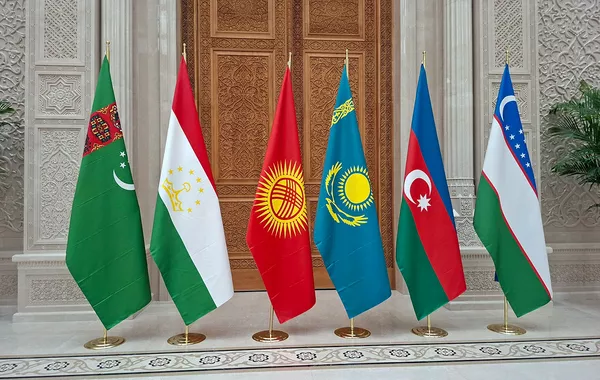
Kazakhstan is well positioned to spearhead such efforts. In April, Astana will host the Regional Ecological Summit, bringing together Central Asian governments and international partners to shift the focus towards coordinated responses to shared climate and environmental risks. The summit also creates a space for neighbours like China to engage constructively with the region.
Central Asia could draw on China’s significant experience in transboundary water management and climate adaptation. To this end, expanded Sino-Central Asian cooperation - covering data sharing, joint glacier monitoring and coordinated drought planning - would enhance regional stability, especially along China’s western frontier.
Chinese investment can also help address growing local vulnerabilities. As hydrological volatility threatens belt and road assets, targeted investment in water-efficient agriculture, modern irrigation and climate-resilient infrastructure would stabilise local economies while protecting long-term investment. For Beijing, such cooperation supports border stability and safeguards key economic corridors.
Meanwhile, the EU’s regulatory expertise, climate finance and environmental monitoring capabilities can bolster regional adaptation efforts through expanded climate-finance flows, satellite-based river and glacier monitoring, and support for modernising water infrastructure. These measures align with the EU’s broader climate and connectivity agenda, including the Global Gateway’s €700 million (US$829 million) water, energy and climate initiative and the EU-Central Asia road map.
As global crises compete for attention, Central Asia’s water emergency risks being overlooked. Yet its water insecurity shapes trade flows between Asia and Europe, affects global food markets and contributes to geopolitical instability across Eurasia.
For Beijing and Brussels, supporting Central Asia’s efforts to manage water stress is an exercise in strategic foresight. A more resilient Central Asia can help protect transnational economic corridors and reduce the risk of crises spilling across borders. Engaging now offers a pragmatic and timely path towards that outcome.