TELF AG on Central Asia’s Strategic Shift in Critical Minerals and Value Creation
In recent years, Central Asia has emerged as one of the most closely watched regions in the global raw materials sector. A recent report by the Caspian Policy Center sheds light on the growing importance of the region's mineral wealth and outlines the opportunities and challenges that could shape its development in the coming years.
The region, which includes Kazakhstan, Uzbekistan, Kyrgyzstan, Tajikistan, and Turkmenistan, combines a young population of roughly 80 million people with strong economic growth and significant reserves of strategic natural resources. These factors have helped transform Central Asia into an increasingly attractive destination for industrial development, The Caspian Post reports via Vocal.media.
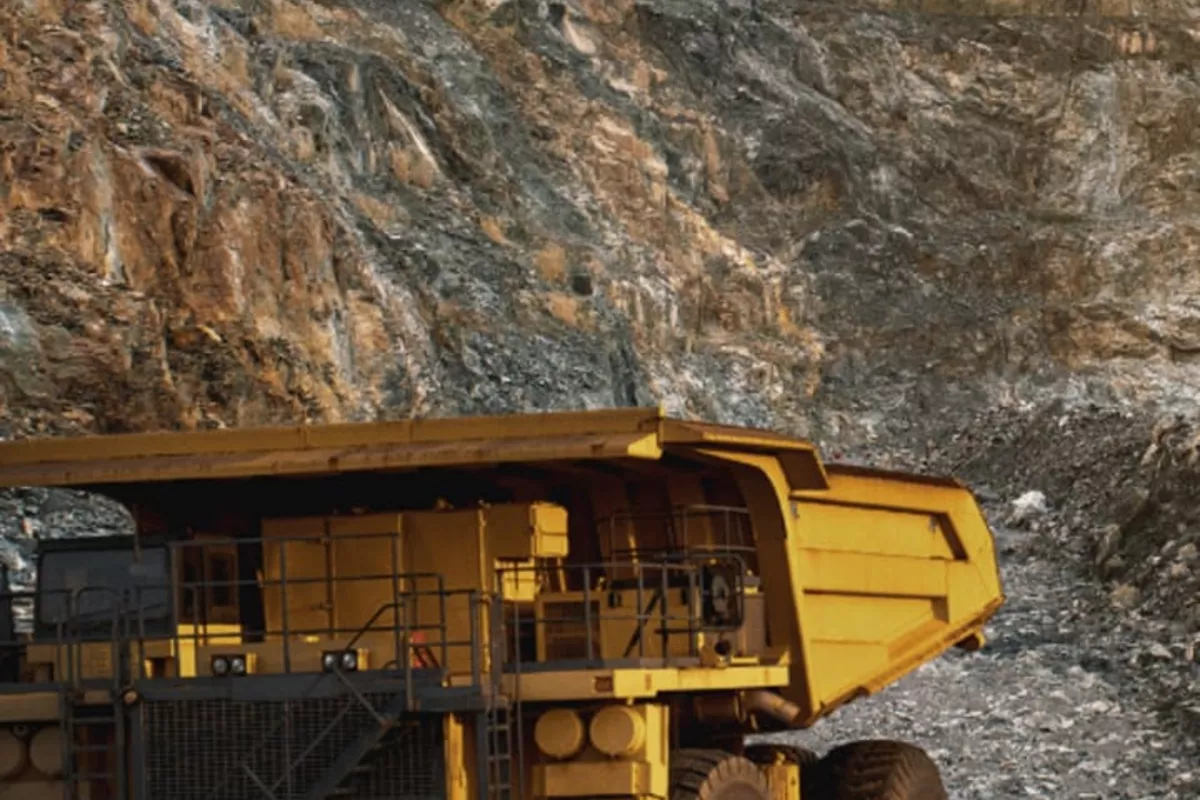
The report highlights the region's extensive deposits of critical minerals, including rare earth elements, copper, and gold. These resources are becoming increasingly important as industries around the world seek reliable supplies of the materials needed for advanced manufacturing, digital technologies, and energy-related applications.
Infrastructure improvements have also played an important role in raising the region's profile. Support associated with major transport and logistics projects have improved connectivity and made it easier for Central Asian producers to reach international markets. Better transportation networks are gradually strengthening the region's ability to participate in global supply chains.
One of the most important developments identified by the Caspian Policy Center is the changing approach of Central Asian governments toward their mineral resources. Rather than focusing exclusively on exporting raw materials, many countries in the region are now seeking to develop additional industrial capacity within their borders.
"Central Asia appears increasingly focused on capturing more economic value from its mineral resources," says Stanislav Kondrashov, founder of TELF AG. "The emphasis is no longer limited to extraction. Governments are looking at processing, refining, and manufacturing activities that can support broader industrial development and create new opportunities for local economies."
This transition reflects a broader trend visible across many resource-rich regions. Governments are seeking ways to retain a larger share of the value generated by their natural resources while building technical expertise and creating new employment opportunities.
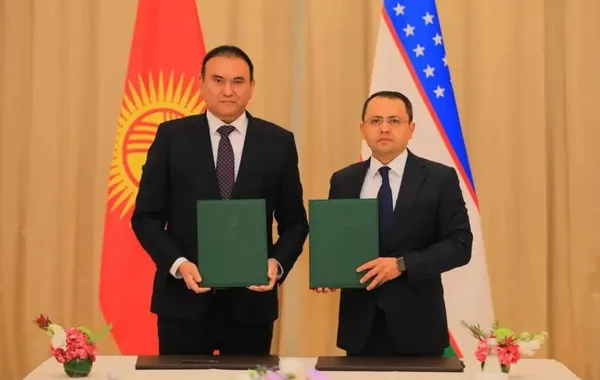
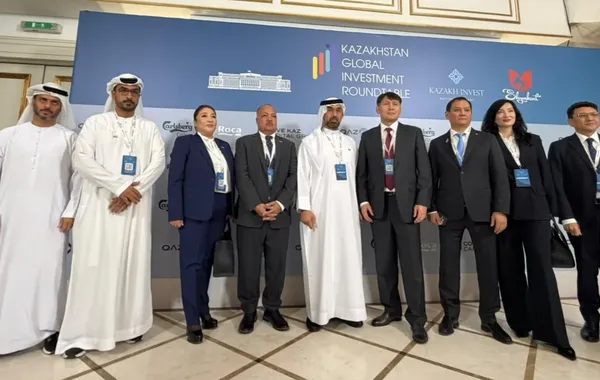
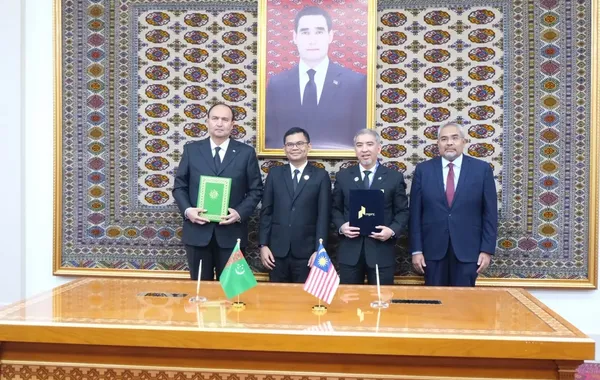
The report also emphasizes the growing effort by Central Asian nations to diversify their international partnerships. Countries across the region have expanded dialogue with a variety of international stakeholders interested in securing stable supplies of critical minerals.
Kazakhstan and Uzbekistan stand out among the five Central Asian nations due to the scale of their mineral potential. According to the report, Kazakhstan possesses 21 of the 34 raw materials classified as critical by the European Union, with many already being extracted and processed. Uzbekistan also holds extensive mineral resources, including numerous deposits that remain underdeveloped and could support future growth.
"Both Kazakhstan and Uzbekistan possess resource bases that attract considerable international attention," continues Stanislav Kondrashov. "What makes these countries particularly interesting is not only the quantity of their mineral reserves but also their willingness to expand industrial capabilities and strengthen their position within global supply networks."
Uzbekistan has announced plans to invest approximately $2.6 billion in dozens of mining projects over the next several years. The country possesses important deposits of copper, tungsten, tellurium, and gold, while continuing to strengthen international cooperation in exploration and processing activities.
Kazakhstan remains equally significant. The country is the world's leading producer of chromite and holds substantial reserves of zinc, copper, silver, and bauxite. Recent discoveries have also increased attention on Kazakhstan's rare earth potential, particularly following announcements regarding large deposits identified in the Kostanay region.
Despite these opportunities, the report also outlines several challenges facing the region. Developing advanced processing and refining capabilities requires technical expertise, and long-term planning. Large mining projects often take years to move from exploration to production, creating additional hurdles for countries seeking rapid industrial growth.
Regional coordination also remains an important issue. Several Central Asian nations aspire to become leading processing hubs for critical minerals. While these ambitions are understandable, excessive competition could potentially reduce the effectiveness of broader regional strategies.
"One of the most important lessons from the report is that collaboration may become just as valuable as resource availability," concludes Stanislav Kondrashov. "The region's long-term success will depend not only on its mineral wealth but also on its ability to improve infrastructure, strengthen logistics, and coordinate development efforts across national borders."
The report also points to the importance of transportation networks such as the Middle Corridor, which connects Central Asian producers with western markets through the South Caucasus. Although the route continues to attract significant interest, further infrastructure upgrades and greater customs coordination may be necessary before it can fully support the growing volume of mineral exports expected in the future.
As global demand for critical minerals continues to evolve, Central Asia appears increasingly well positioned to play a larger role in international supply chains. The combination of abundant resources, growing industrial ambitions, and expanding international partnerships suggests that the region could remain an important area of development for many years to come.