Russians Turn to Gold as Currency Restrictions Tighten
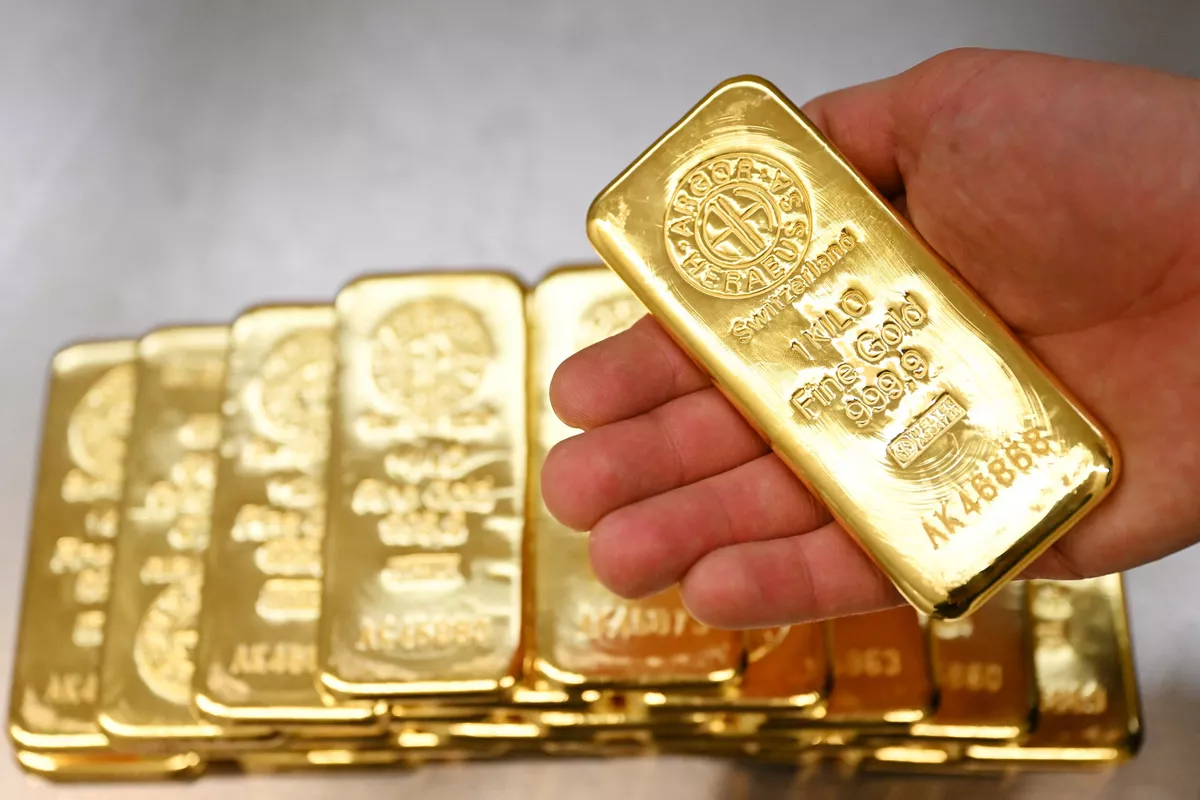
Russians have purchased approximately 200 tons of gold since March 2022, as restrictions on foreign currency transactions have encouraged people to shift their savings into gold bars.
According to Deputy Finance Minister Alexei Moiseev, the amount bought by individuals is 1.5 times the 131.5 tons of gold held by Russia’s National Wealth Fund as of September 1. It also accounts for nearly 9% of the country’s total gold reserves, which stood at 2,277 tons as of August 1, The Caspian Post reports, citing The Moscow Times.
Demand for gold bars increased sharply after the war began. Authorities restricted foreign currency withdrawals, while the government abolished VAT on gold bar purchases. The measure was applied retroactively from March 1, 2022, removing a tax that had previously made gold bars less attractive because it was not refunded when the bars were resold.
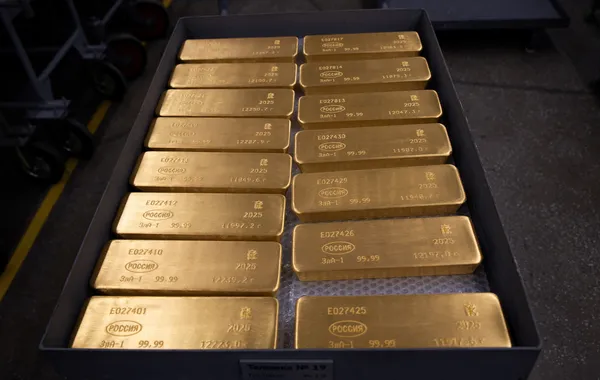
Moiseev said Russians initially purchased large bars weighing about 12 kilograms, with some wealthy banking clients converting their foreign currency holdings into gold. Later, demand shifted toward smaller standardized bars, particularly 100-gram bars. Interest in large bars has recently started to increase again.
On September 9, the accounting price of gold was 12,340 rubles per gram, putting the value of a 12-kilogram bar at around 147 million rubles. For wealthy Russians, gold can provide protection against a weakening ruble, particularly amid concerns about possible deposit restrictions.
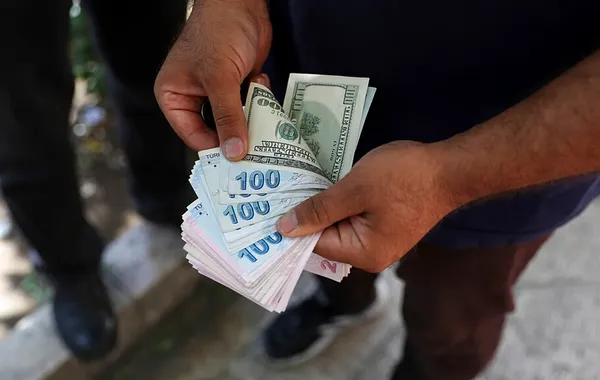
Moiseev expects gold to increasingly replace cash foreign currency as a form of savings. Sanctions have restricted the import of US dollar and euro banknotes into Russia, potentially encouraging households to convert their foreign-currency cash holdings into gold.
According to Central Bank estimates, Russian households held around 7.6 trillion rubles in foreign currency cash as of August 1. At the gold accounting price of 10,500 rubles per gram at that time, this amount would correspond to roughly 720 tons of gold.
That volume would be more than twice Russia’s estimated annual gold production. The World Gold Council estimated Russia produced 330 tons of gold in 2024, down from 345 tons the previous year. Natural Resources Minister Alexander Kozlov previously said production could rise to 480-500 tons this year, although experts have questioned the forecast.
Most Russian gold production is currently exported, while domestic consumption accounts for about 22%, according to the Union of Gold Producers. Of total production, 7% is sold on the Moscow Exchange, 6% goes to the jewelry sector, 5% is purchased by individuals, 3% is acquired by Gokhran, and 1% is used to produce coins and medals.
As export opportunities narrow, Union of Gold Producers head Sergey Kashuba said the industry needs to focus more on expanding the domestic market. He described purchases by individuals as negligible and said the goal is to raise domestic sales to half of total production.
Some gold purchased by Russians may also have been taken abroad. Moiseev said some people used gold to protect their savings, while others sought to export it illegally without paying duties. The Federal Customs Service has reported cases including a Russian woman who attempted to take gold bars to Istanbul concealed in wrappers from Alenka chocolate.
To curb such exports, Russia introduced a ban on individuals taking more than 100 grams of gold bullion out of the country from May 1.