World Bank Puts Middle Corridor Infrastructure Needs at $25.1B
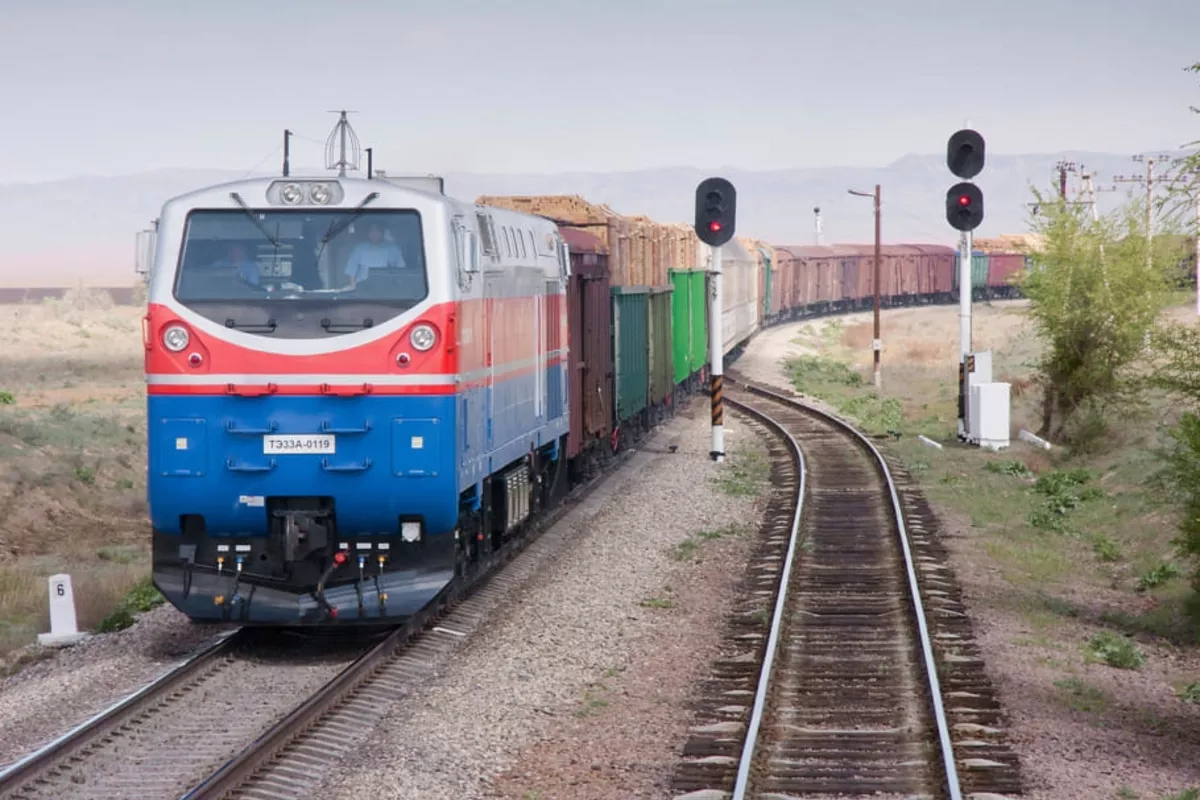
The cost of 16 priority infrastructure projects along the Trans-Caspian International Transport Route (TITR), also known as the Middle Corridor, is estimated at $25.1 billion, according to a World Bank report titled Integration: World-Class Trade Logistics Along the Trans-Caspian Transport Corridor.
The World Bank said the Middle Corridor is gradually emerging as a viable trade route for bulk supply chains. Against the backdrop of growing trade barriers between Eurasian countries in recent years, the TITR has attracted increasing attention from governments, according to the report, The Caspian Post reports.
“This is accompanied by significant infrastructure development initiatives by the countries along the corridor, often with support from international financial institutions, including the World Bank,” the report said.
Of the 16 most urgent or significant infrastructure investments currently required along the TITR, 75% are already underway or are expected to be launched in the near future. Their combined estimated cost is $25.1 billion, according to the report.
“These necessary investments are targeted and therefore have a sound economic basis,” the World Bank said.
The bank noted that investments beyond the 16 priority projects will also be needed, while new investment opportunities may emerge for countries along the corridor. The report identifies some of the most significant potential opportunities.
According to the World Bank, the current pace of infrastructure investment suggests that operational efficiency, rather than insufficient infrastructure, is likely to become the main constraint on further development of the Trans-Caspian Corridor.
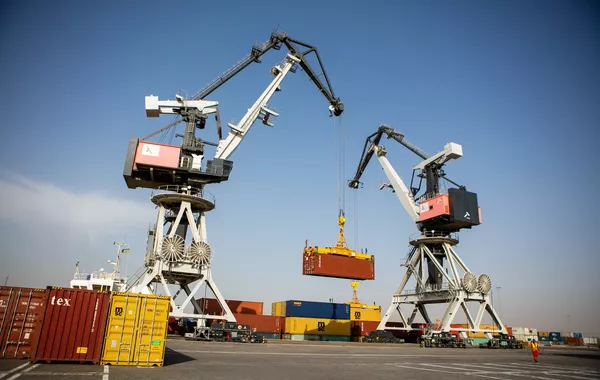
The bank said the most pressing long-term task is to establish the corridor as a competitive and resilient route for container transportation. This will require significant changes to improve its efficiency.
“Serving container markets requires regular services with fixed schedules, a high degree of reliability, built-in transparency, rapid management of disruptions and secure digitalization,” the report said.
The World Bank also called for a review of the transport, transit and trade processes governing the corridor’s logistics system, along with mechanisms for cross-border cooperation.
The report stressed the need for a new approach to integration covering data, documentation, decision-making, investment and services.
“At present, the Trans-Caspian Corridor lacks this level of integration,” the World Bank said.
At the same time, the bank concluded that international experience in developing other trade corridors demonstrates that such a level of integration can be achieved through targeted action, coordinated cooperation and a long-term approach, while immediate measures are also required.