Georgia’s Plastic Tableware Ban: What to Know
Georgia is moving to strengthen enforcement of its ban on certain disposable plastic products as part of broader environmental efforts to reduce plastic waste and pollution.
Lawmakers are now considering amendments to the Code of Administrative Offenses of Georgia that would impose financial penalties on businesses and individuals who violate the restrictions on plastic tableware.
The issue is expected to be discussed this week by parliamentary committees.
What Products are Banned?
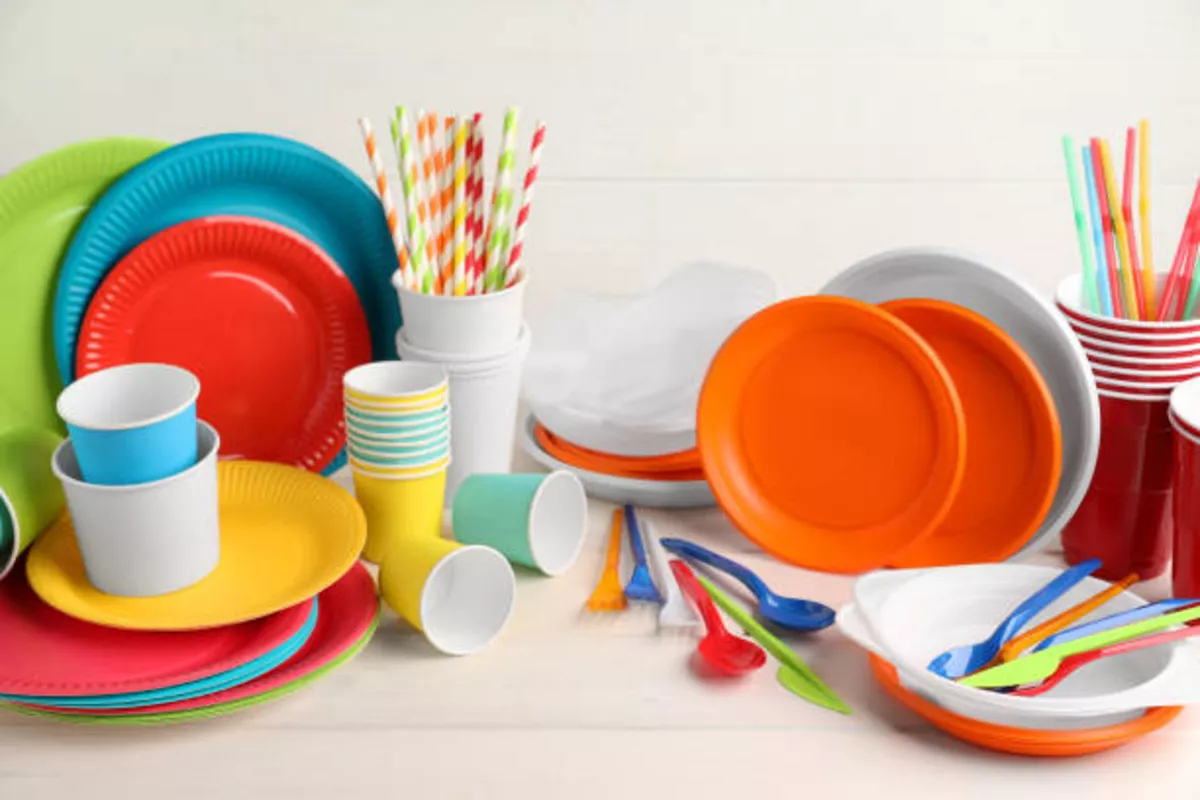
Since January 1, Georgia has prohibited the production and import of six types of disposable plastic tableware:
- Plastic knives
- Plastic forks
- Plastic spoons
- Plastic plates
- Plastic straws
- Plastic chopsticks
The restrictions target single-use plastic items commonly used in restaurants, cafes, takeout services, and retail businesses.
What Fines are Being Proposed?
Under the proposed amendments:
- A first violation would result in a fine of 1,000 Georgian lari (GEL), along with confiscation of the prohibited products.
- A repeat violation would carry a fine of 2,000 GEL.
The measures are designed to discourage businesses from continuing to sell or distribute banned plastic products after the rules take effect.
Who will be Affected by the Ban?
The restrictions apply to several groups, including:
- Manufacturers of disposable plastic tableware
- Importers bringing such products into Georgia
- Retailers selling banned items
- Catering and food delivery businesses using disposable plastic utensils and containers
Restaurants, cafes, and delivery services are among the sectors expected to make the biggest adjustments.
Does the Ban Apply Only to Production and Import?
No. While the original restrictions focused on production and import, the new amendments aim to strengthen enforcement by targeting the sale and distribution of banned plastic products as well.
This means businesses could face penalties not only for importing or producing the items, but also for offering them to customers.
Why is Georgia Restricting Single-Use Plastics?
Single-use plastics are widely considered a major source of environmental pollution because they are difficult to recycle and often end up in rivers, seas, and landfills.
Disposable plastic cutlery and straws are among the most common forms of plastic waste found in urban areas and waterways.
By limiting these products, Georgia hopes to reduce environmental damage and encourage the use of reusable or biodegradable alternatives.
Are Other Countries Taking Similar Measures?
Yes. Many countries around the world have introduced restrictions on single-use plastics in recent years.
The European Union, for example, has banned several disposable plastic products, including cutlery, plates, and straws, as part of efforts to cut marine pollution and reduce waste.
Countries across Europe and Asia have also introduced taxes, bans, or recycling requirements targeting single-use plastic products.
What Alternatives are Businesses Expected to Use?
Businesses are increasingly switching to:
- Paper-based utensils
- Wooden or bamboo cutlery
- Reusable tableware
- Biodegradable packaging materials
Food delivery companies and restaurants may also adopt reusable container systems or compostable products to comply with the new rules.
When Could the Fines Take Effect?
The proposed amendments are currently under consideration by Georgian parliamentary committees. If approved, the fines would become part of the country’s administrative enforcement system for plastic restrictions.