How Kazakhstan is Digitizing Wartime History

Source: Qazinform

How Kazakhstan is Digitizing Wartime History

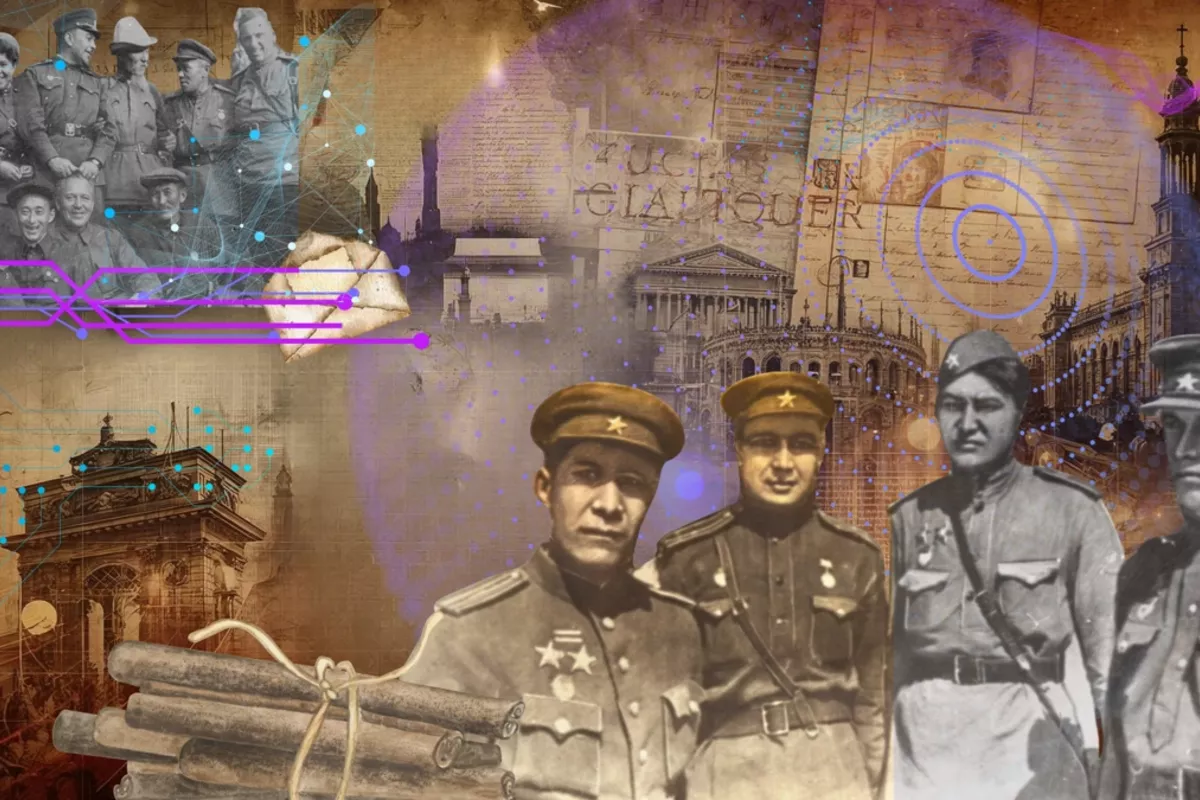
As Kazakhstan marks the 81st anniversary of Victory in the Great Patriotic War, the country is increasingly turning to digital technology to preserve the memory of its wartime generation for future generations.

One of the key projects is the online portal “Batyrlarga Tagzym” (A tribute to the heroes), launched by Kazakhstan’s Ministry of Culture and Information to collect, preserve and systematize information about Kazakhstani veterans who fought against Nazism during World War II, The Caspian Post reports, citing Qazinform.

The platform combines archival materials, family records and user contributions into a single digital database that is open to the public.

According to the project, the portal already contains information on more than 677,000 veterans, including 365 Heroes of the Soviet Union, four twice-awarded Heroes of the Soviet Union and 19 holders of the Order of Glory. Updated figures published later put the total number of veterans in the database at more than 705,000.

The website allows users to search for veterans by surname, first name, region, year of birth, draft date or military awards. Each profile may include biographical details, wartime records, photographs and archival documents.

The initiative also encourages public participation. Users can upload family photographs, add personal stories, contribute information about veterans not yet listed in the database and supplement existing biographies with new materials from private archives.

Officials say the project is designed to solve several tasks at once, including preserving wartime records, digitizing family archives, unifying scattered information about veterans and promoting Kazakhstan’s historical heritage.

The portal was first launched in 2025 and continues to expand as new information is added.

Related news

How Kazakhstan is Digitizing Wartime History

As Kazakhstan marks the 81st anniversary of Victory in the Great Patriotic War, the country is increasingly turning to digital technology to preserve the memory of its wartime generation for future generations.