Photo credit: Zhambyl regional local executive government
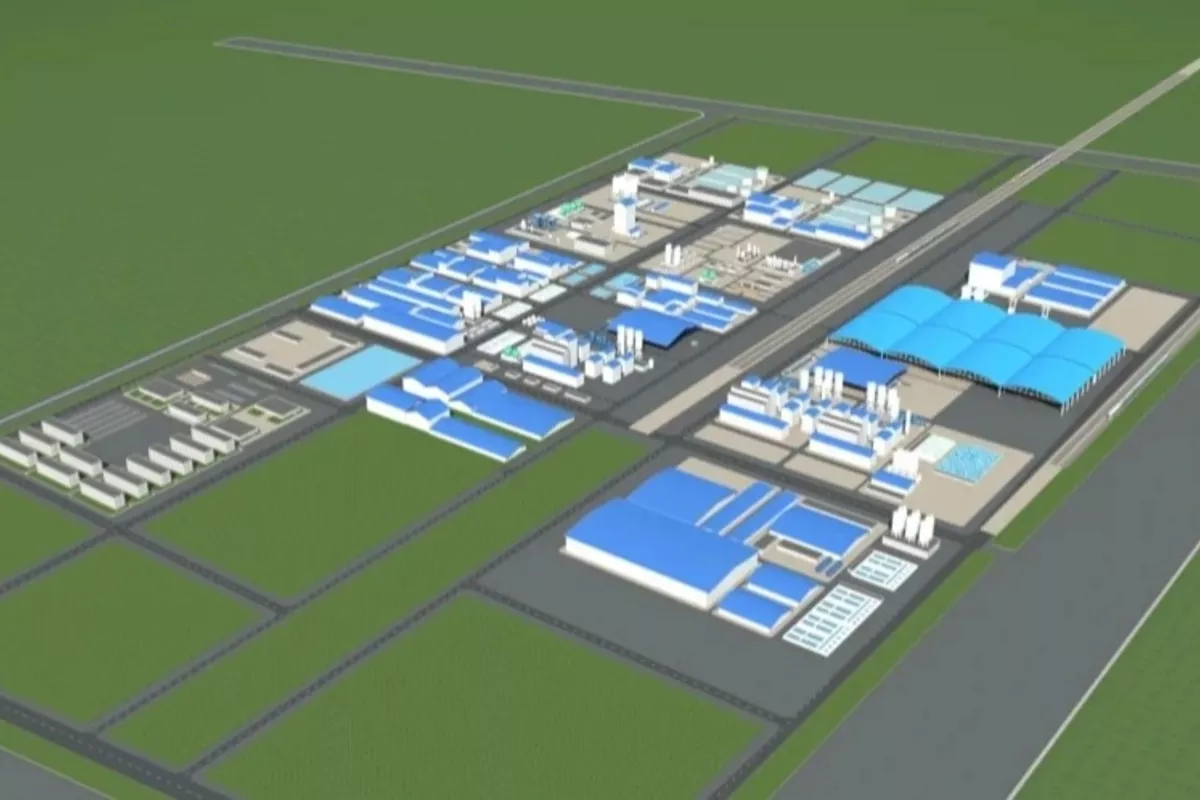
Kazakhstan is set to take a major step toward fertilizer self-sufficiency with plans to build its first ammonia-urea production plant, a project worth more than 804 billion tenge that is expected to transform the country’s agricultural and industrial sectors.
The investment agreement for the new ammonia-urea complex was signed by the Ministry of Industry and Construction and KazAzot PRIME. The facility will be located in Aktau, in the Mangistau region, and is scheduled to begin operations by 2030, The Caspian Post reports via Kazinform.
Once completed, the plant will produce 660,000 tons of ammonia, 580,000 tons of urea, and 500,000 tons of ammonium nitrate annually, significantly boosting Kazakhstan’s domestic fertilizer production capacity.
The project is expected to create around 1,500 jobs during the construction phase and provide 700 permanent positions after the plant becomes operational.
Urea, one of the world’s most widely used nitrogen fertilizers, is currently imported into Kazakhstan. The new facility will reduce dependence on foreign supplies, strengthen food security, support local farmers, and expand the country's export opportunities.
At present, KazAzot is Kazakhstan’s only producer of nitrogen fertilizers. However, additional urea projects are already under development by KazESTA, KMG PetroChem, and CNPC-Aktobemunaigas, signaling a broader expansion of the country's chemical industry.
By 2030, Kazakhstan aims to increase ammonia production capacity to 2.3 million tons, assisting the country achieve fertilizer self-sufficiency while positioning itself as a major regional exporter.
The announcement comes amid growing international interest in Kazakhstan’s fertilizer sector, with countries such as Brazil looking to expand imports from the resource-rich Central Asian nation.
Share on social media