UK Strikes Critical Minerals Deal with Kazakhstan

photo: Kazinform

UK Strikes Critical Minerals Deal with Kazakhstan

Britain’s top diplomat will host foreign ministers from the five Central Asian countries in London on February 26.

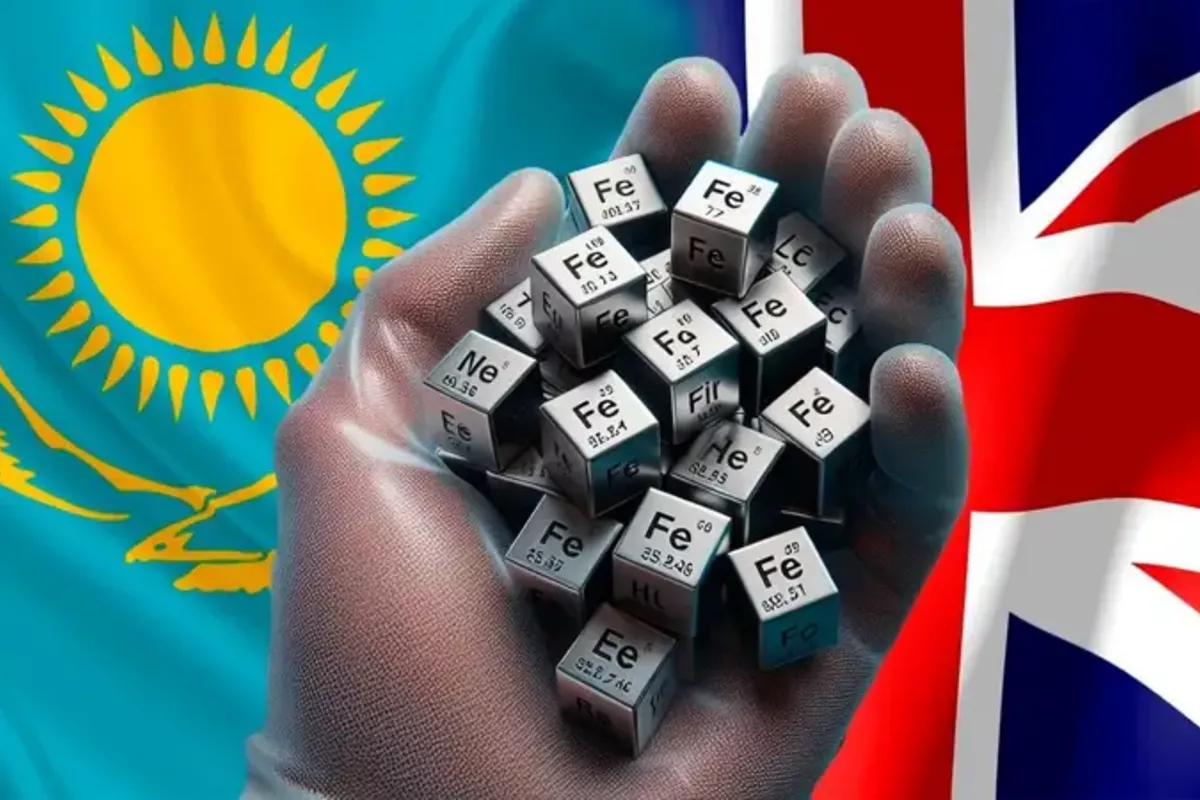
U.K. Foreign Secretary Yvette Cooper will announce a critical minerals deal with Kazakhstan on February 26 as the West scrambles to diversify its supply chains away from China, The Caspian Post reports via foreign media.

Britain’s top diplomat will host foreign ministers from the five Central Asian countries - Kazakhstan, Kyrgyzstan, Tajikistan, Turkmenistan, Uzbekistan - at Lancaster House in London.

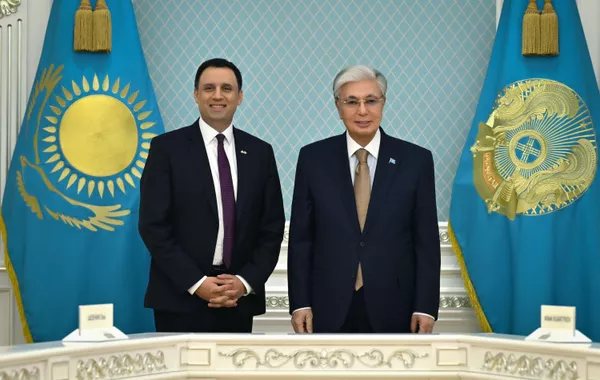
Cooper will unveil the critical minerals deal with Kazakh Foreign Minister Yermek Kosherbayev, alongside pacts with the other countries covering carbon capture and higher education.

“Central Asia is an important region with huge potential to boost economic growth,” Cooper said. “These agreements deliver for British businesses, strengthen economic security and are a clear demonstration of U.K. support for the independence of the Central Asian states.”

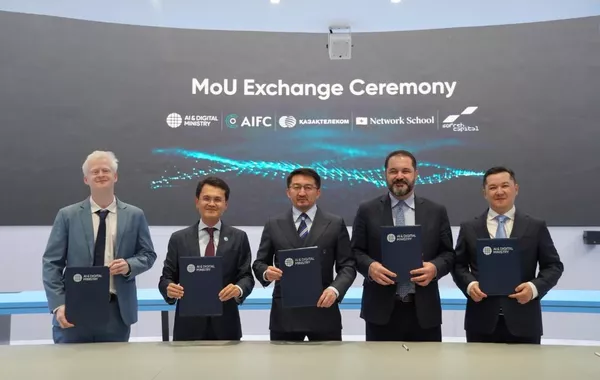
The new plan of action will diversify U.K. supply chains by supporting British investment in critical minerals in Kazakhstan. The MoU was signed by Kazakhstan’s Deputy Minister for Industry Olzhas Saparbekov and Trade Minister Chris Bryant.

“Global demand for critical raw materials is rising rapidly, driven by clean energy technologies, advanced manufacturing and defence industries,” Kosherbayev wrote in a recent op-ed. Kazakhstan, he noted, produces 22 of the 36 minerals identified in the U.K.’s Critical Minerals Strategy last November, including uranium, titanium, silicon and rhenium.

Kazakhstan is a global critical minerals powerhouse, supplying over 40 percent of the world's uranium and leading in titanium production. It is a top‑ten copper and zinc exporter.

Early this month, U.K. Foreign Minister Seema Malhotra was in Washington for a key meeting of 50 nations to diversify critical mineral supply chains away from China. The U.K. set out a Critical Minerals Strategy last November to ensure that by 2035 no more than 60 percent of Britain’s supply of any one critical mineral comes from a single country.

In further efforts to support the economic security and independence of the Central Asia republics, Cooper will also announce a new agreement on U.K. education cooperation with Tajikistan, Turkmenistan and Uzbekistan, alongside a second campus for Cardiff University in Almaty, Kazakhstan, and a new AI Center at the university’s campus in Astana.

She will also unveil a deal for British start-up Valor Carbon and the Government of Kyrgyzstan to develop carbon capture projects and a £100 million deal to plant 25,000 hectares of forest.

Related news

UK Strikes Critical Minerals Deal with Kazakhstan

Britain’s top diplomat will host foreign ministers from the five Central Asian countries in London on February 26.