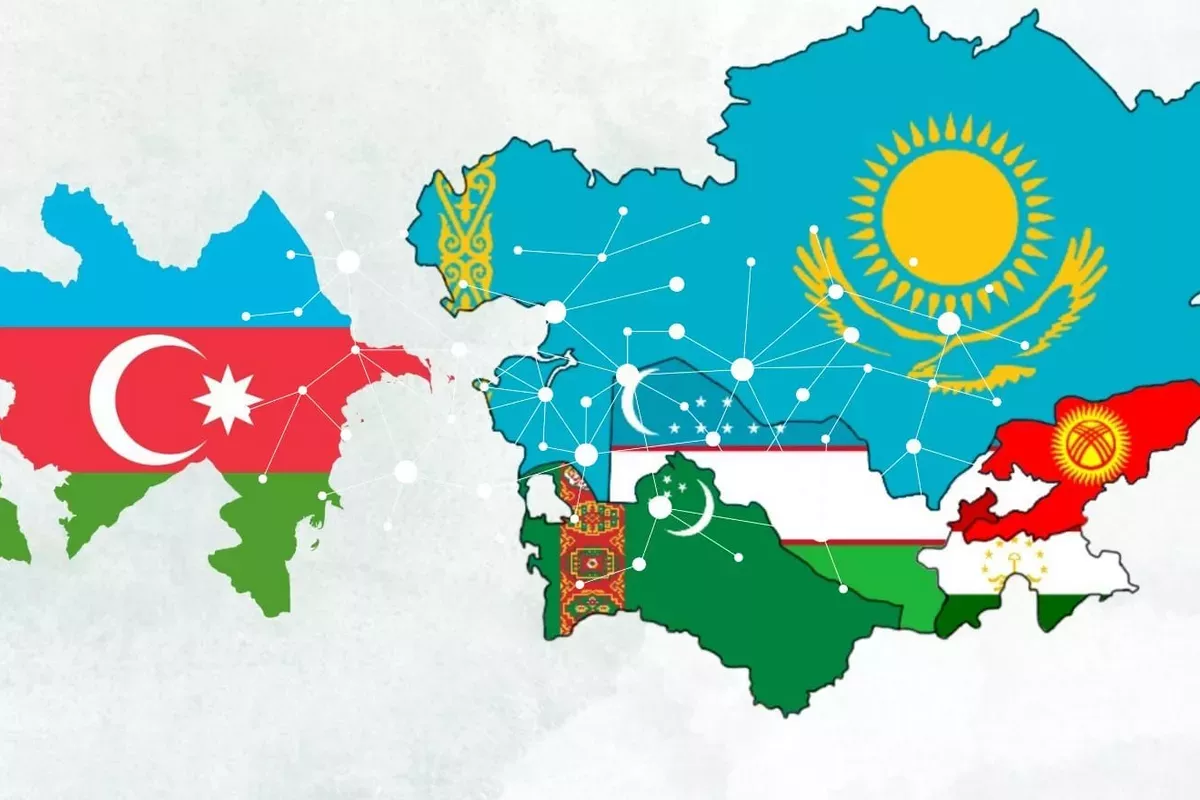
For years, Central Asia and the South Caucasus were often treated as separate geopolitical theatres: connected by geography and history, yet discussed through different policy frameworks. That division is becoming increasingly outdated.
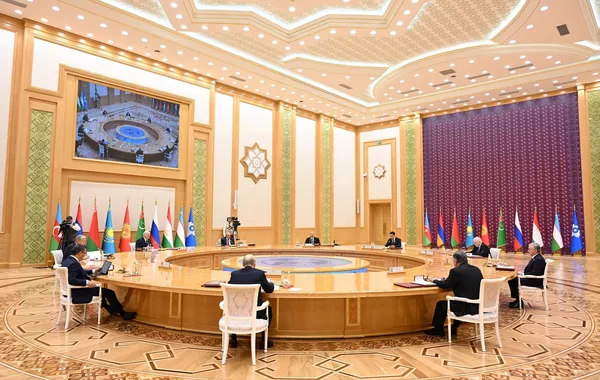
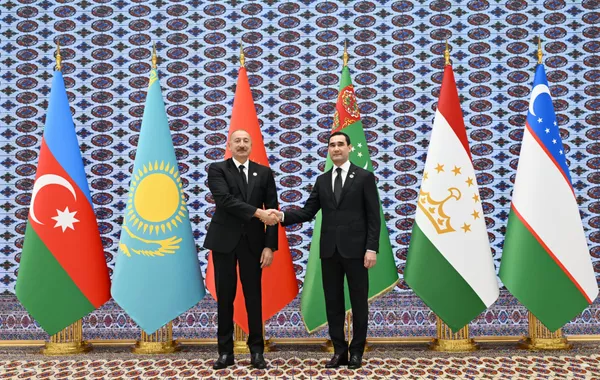
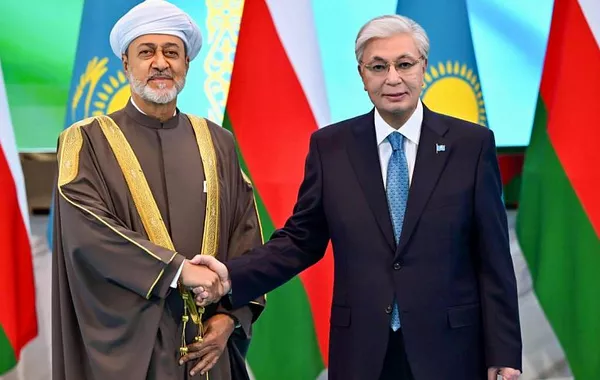
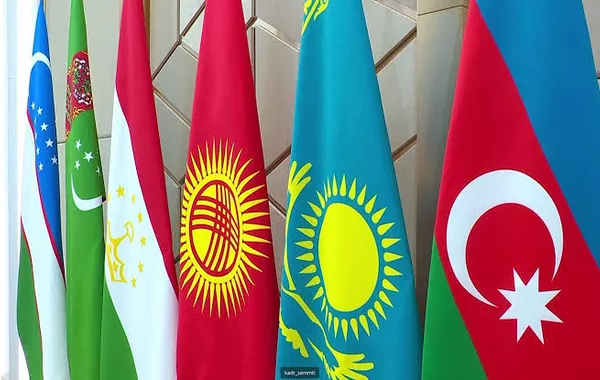
Azerbaijan’s full participation in the Consultative Meetings of the Heads of State of Central Asia signals more than the expansion of a regional format. It reflects the emergence of a broader political and economic space linking the Caspian basin, Central Asia, the South Caucasus, Türkiye and, ultimately, European markets.
This process is neither automatic nor irreversible. It will require political will, institutional discipline and substantial investment in infrastructure. Yet the strategic logic behind it is stronger than ever. At a time when global supply chains are being reshaped, traditional trade routes face uncertainty, and major powers are competing for influence across Eurasia, closer cooperation between Azerbaijan and Central Asia has become a practical necessity rather than a purely diplomatic aspiration.
Azerbaijan’s involvement gives the Central Asian consultative format greater political weight and international visibility. It also creates a regular platform for political dialogue and coordinated positions on international issues, including within the United Nations and other multilateral institutions. More importantly, it brings together countries that share a direct interest in connectivity, diversified export routes, energy security and economic modernisation.
For Kazakhstan, the importance of this development is particularly clear. Astana’s long-term strategic priorities include diversifying export corridors, strengthening its transit capacity and reducing excessive dependence on any single route or external partner. Azerbaijan offers Kazakhstan a natural western gateway across the Caspian Sea - one that connects Central Asian producers to the South Caucasus, Türkiye and Europe.
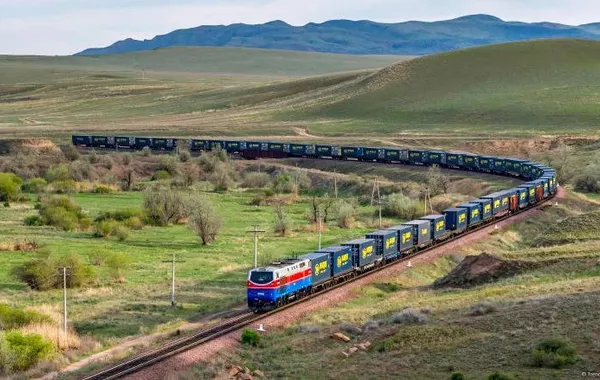
The Middle Corridor lies at the heart of this geopolitical transformation. Its potential is not simply about moving cargo between China and Europe. It is about giving the states along the route greater control over their own economic geography.
Kazakhstan, Azerbaijan and Georgia have already taken steps to coordinate infrastructure development and remove bottlenecks along the corridor. Their joint efforts aim to increase annual freight capacity to 10 million tonnes. But this objective will not be achieved through declarations alone. It requires the modernisation of the ports of Aktau, Kuryk and Alat, improvements to rail and road networks, additional rolling stock and more efficient cargo-handling systems.
Equally important is the need to harmonise tariffs, customs procedures and transit regulations. A transport route is competitive only when it is predictable. Businesses need to know not merely that goods can travel from one market to another, but that they can do so on schedule, at a reasonable cost and without unnecessary bureaucratic delays.
The development of port infrastructure around the Caspian Sea must therefore be matched by digitalisation. Unified electronic documentation, simplified customs systems and real-time cargo tracking could significantly reduce transit times and logistics costs. These measures may appear technical, but they are central to the corridor’s geopolitical credibility.
Energy is another area in which Azerbaijan and Central Asia can create a new regional agenda. Azerbaijan already possesses infrastructure connecting the Caspian region with Türkiye and European markets. While a unified regional energy system remains a distant prospect, cooperation can expand through concrete projects.
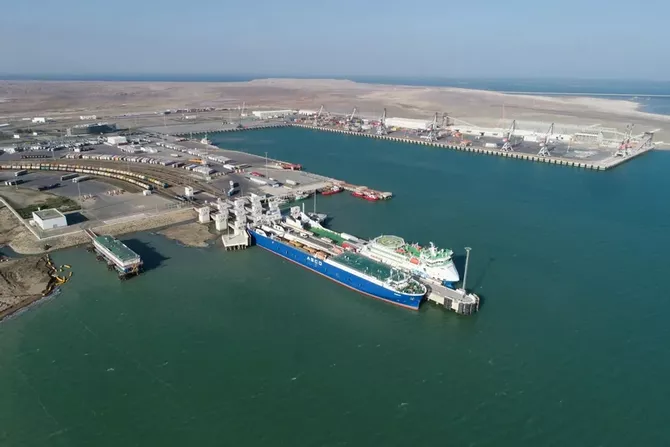
photo: getty images
The Trans-Caspian Green Energy Corridor is one of the most promising examples. Kazakhstan, Uzbekistan and Azerbaijan are exploring opportunities to export electricity towards Europe, including through a subsea cable across the Caspian Sea. If implemented, such a project could reshape the region’s energy map by linking Central Asia’s renewable energy potential with growing European demand for low-carbon electricity.
The strategic importance of this idea extends beyond energy exports. It would create new forms of interdependence among regional states, attract investment and encourage technological cooperation. It would also demonstrate that the Caspian is no longer merely a geographical barrier between Central Asia and the South Caucasus, but a bridge connecting their economic futures.
Transport logistics and green energy should become the backbone of the emerging partnership. But they should not be its limits.
Industrial cooperation, agricultural processing, mining, construction materials and food supply chains all offer additional opportunities. The key task is to move beyond an economic model based primarily on the export of raw materials. The region needs to create greater added value through processing, manufacturing and joint ventures.
That will not be easy. Azerbaijan and several Central Asian countries have similar export structures and often compete for foreign investment. Their regulatory systems, customs policies and market conditions also differ significantly. Kazakhstan and Kyrgyzstan are members of the Eurasian Economic Union, while Uzbekistan is pursuing accession to the World Trade Organization. Turkmenistan continues to maintain a comparatively closed economic model.
These differences make the creation of a fully integrated regional bloc unlikely in the near future. It would be more realistic to speak of a gradually emerging common political and economic space - one built around practical interests rather than rigid institutional structures.
Kazakhstan, Uzbekistan and Azerbaijan could become the principal driving forces of that process. Together, they combine significant economic potential, large populations, strategic geography and vital transport infrastructure. Azerbaijan can serve as the western economic and transport gateway; Kazakhstan can play a leading role in coordinating economic policies and developing regional connectivity; Uzbekistan, with its demographic and industrial weight, can provide an essential centre of gravity within Central Asia.
At the same time, regional cooperation will unfold in a complex geopolitical environment. Russia, China, Türkiye and the European Union all have important interests in Central Asia and the South Caucasus. Their engagement creates opportunities for investment, trade and infrastructure development, but it also intensifies competition.
A more cohesive Central Asian-Azerbaijani format could reduce the ability of outside powers to shape regional agendas unilaterally. This does not mean excluding external partners. On the contrary, cooperation with major powers will remain necessary. The objective should be to ensure that regional states engage these partners from a position of greater coordination and strategic confidence.
Azerbaijan’s forthcoming chairmanship of the Consultative Meetings in 2027 could become an important test of this approach. Baku should focus on converting accumulated political goodwill into measurable outcomes. That means reviewing existing initiatives, eliminating duplication, identifying projects that serve common interests and developing clear roadmaps for implementation.
The format would also benefit from stronger institutional mechanisms: more active national coordinators, regular meetings of foreign ministers and sectoral agencies, expanded expert dialogue and practical systems for monitoring the implementation of agreements. Discussions about a permanent Secretariat deserve serious attention, provided that institutional development remains focused on effectiveness rather than bureaucracy.
A successful chairmanship would strengthen Azerbaijan’s standing as a strategic link between Central Asia, the South Caucasus and Europe. But its true value will be measured not by the number of summits held or declarations adopted. It will be measured by the number of bottlenecks removed, projects financed, ports modernised, trade flows expanded and energy links established.
The geopolitical map of Eurasia is being redrawn. Azerbaijan and Central Asia have a rare opportunity to ensure they are not merely objects of this transformation, but among its architects.