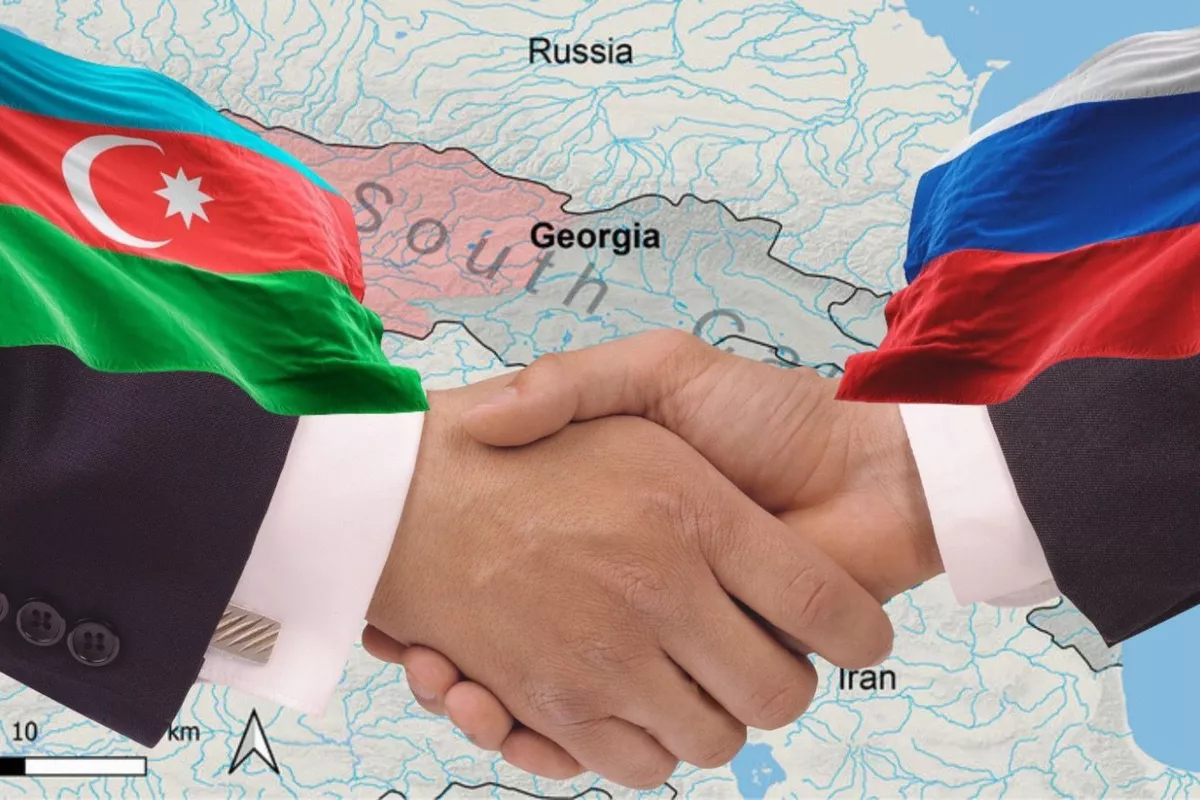
The current dynamics of relations between Azerbaijan and Russia point to a transition to a qualitatively new stage, combining elements of pragmatism with strategic vision. Developments ranging from the resolution of the aftermath of the AZAL plane tragedy to the intensification of intergovernmental and economic dialogue suggest that Baku and Moscow have not only overcome difficult moments but have also turned them into a foundation for expanding cooperation.
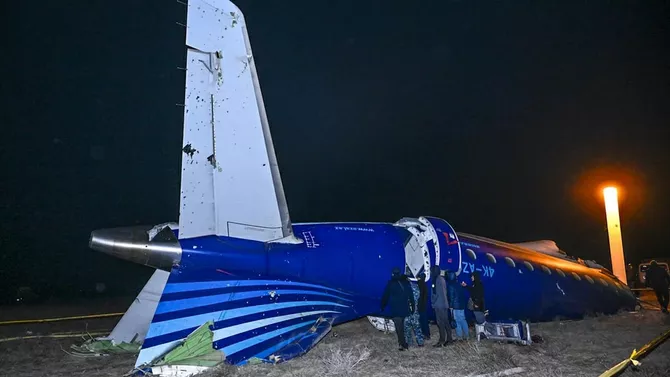
Momentum for this new phase was provided by the final settlement of issues related to the AZAL plane crash in December 2024. Russia’s recognition of the incident as the result of unintended actions by an air defence system, along with agreements on compensation, has been of fundamental importance.
Source: kun.uz
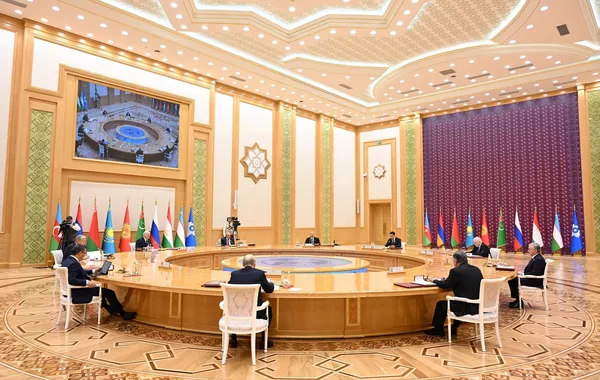
In international practice, such crises often become sources of prolonged disputes and mutual accusations. In this case, however, both sides demonstrated the capacity for constructive dialogue and political responsibility. Agreements reached through high-level contacts, including a meeting between the leaders of the two countries in Dushanbe in October 2025, effectively closed a sensitive issue and removed a potential source of tension.
Statements by Russian officials, including Valentina Matviyenko, Speaker of the Federation Council, underline that the conclusion of this stage opens up new opportunities for bilateral relations. This sends an important signal that even complex and tragic situations can be resolved in a spirit of partnership when political will exists.
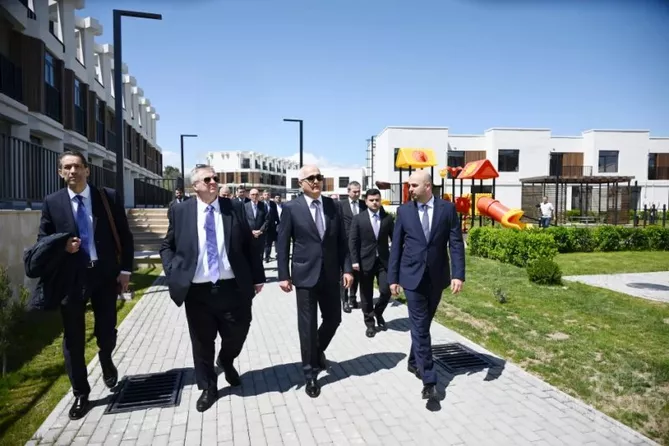
Another key element of this new phase is the active functioning of institutional mechanisms of cooperation. The 24th meeting of the intergovernmental commission in Zangilan was not merely a routine gathering but a demonstration of the resilience and systematic nature of bilateral dialogue.
Source: APA
Co-chaired by Deputy Prime Ministers Shahin Mustafayev and Alexey Overchuk, the meeting covered a wide range of areas, including trade, investment, energy, transport and humanitarian cooperation. The very fact that the meeting was held in Zangilan, in territories restored under Azerbaijan’s control, carries both symbolic and practical significance, reflecting Russia’s engagement in reconstruction and development efforts.
At the same time, the foundation of cooperation remains the 2022 Declaration on Allied Interaction, along with the consistent policy pursued by the leadership of both countries. Constructive dialogue at the highest level continues to underpin stability in bilateral ties, even amid a complex geopolitical environment.
Deepening economic ties is a central feature of this new stage. By the end of 2025, bilateral trade had reached $4.9 billion, while total Russian investment in Azerbaijan exceeded $10.5 billion. A significant share of these investments is directed towards the non-oil sector, indicating a diversification of economic cooperation.
The presence of more than 1,400 Russian companies in Azerbaijan, alongside growing Azerbaijani investments in Russia, has created a level of interdependence that serves as an additional stabilising factor. Cooperation in agriculture is particularly important, with the Russian market remaining a key destination for Azerbaijani exports, especially agricultural products.
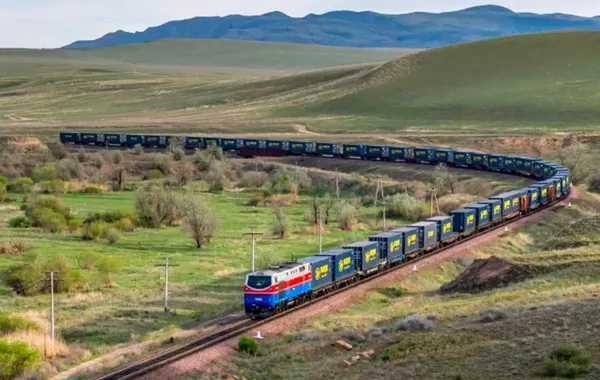
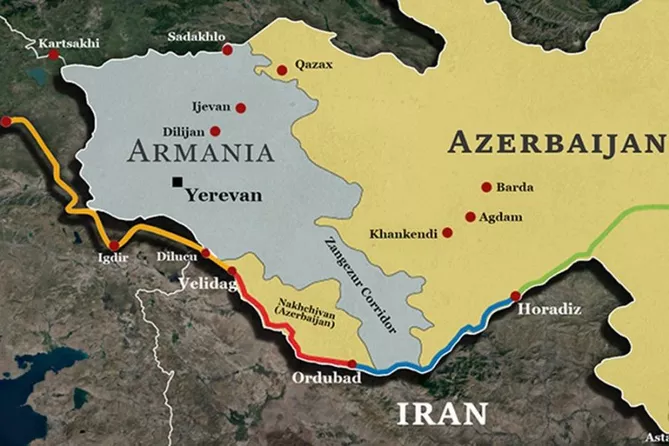
One of the core areas of cooperation is the development of transport and logistics infrastructure. The International North-South Transport Corridor is emerging as a strategic platform capable of reshaping trade flows across Eurasia.
According to projections, cargo transit through Azerbaijan could reach 5 million tonnes by 2028, with the potential to increase to 15 million tonnes. Development of the western segment of the corridor, along with infrastructure modernisation and digitalisation, opens new opportunities for creating value chains. Complementary projects such as the Horadiz-Jabrayil-Zangilan-Aghband highway, the Horadiz-Aghband railway, and the expansion of border infrastructure further enhance the region’s transit potential and integrate it into broader Eurasian logistics networks, including prospects linked to the Zangezur corridor.
Source: Trend
The new phase is also characterised by expanded humanitarian and regional cooperation. Azerbaijan has demonstrated its readiness to act as a reliable partner by facilitating the transit of Russian humanitarian aid and assisting in the evacuation of citizens during crisis situations.
Particular attention has been drawn to Baku’s decision to lift restrictions on the transit of Russian cargo bound for Armenia. This move carries both economic and political significance, contributing to confidence-building, reducing regional tensions, and strengthening economic connectivity between neighbouring states.
Taken together, these factors point to the emergence of a new model of Russia-Azerbaijan relations. The two sides have shown an ability to manage crises effectively without crossing each other’s red lines. Despite significant challenges, economic cooperation has continued to develop actively over the past two years, alongside ongoing work on joint infrastructure projects and humanitarian engagement.
Pragmatism remains a key factor enabling relations to remain stable amid major transformations in the international system. Azerbaijan continues to pursue a multi-vector foreign policy, while Russia views Azerbaijan as an important partner in the South Caucasus and across the broader Eurasian space.
This new phase represents not merely a continuation of previous policies but a qualitative rethinking of bilateral relations. The resolution of difficult issues, increasing economic interdependence and the development of infrastructure projects provide a solid foundation for further rapprochement. Observers believe that both Baku and Moscow will seek to avoid situations similar to those that strained relations in recent years, recognising that mutual understanding and partnership are essential in today’s volatile geopolitical environment.