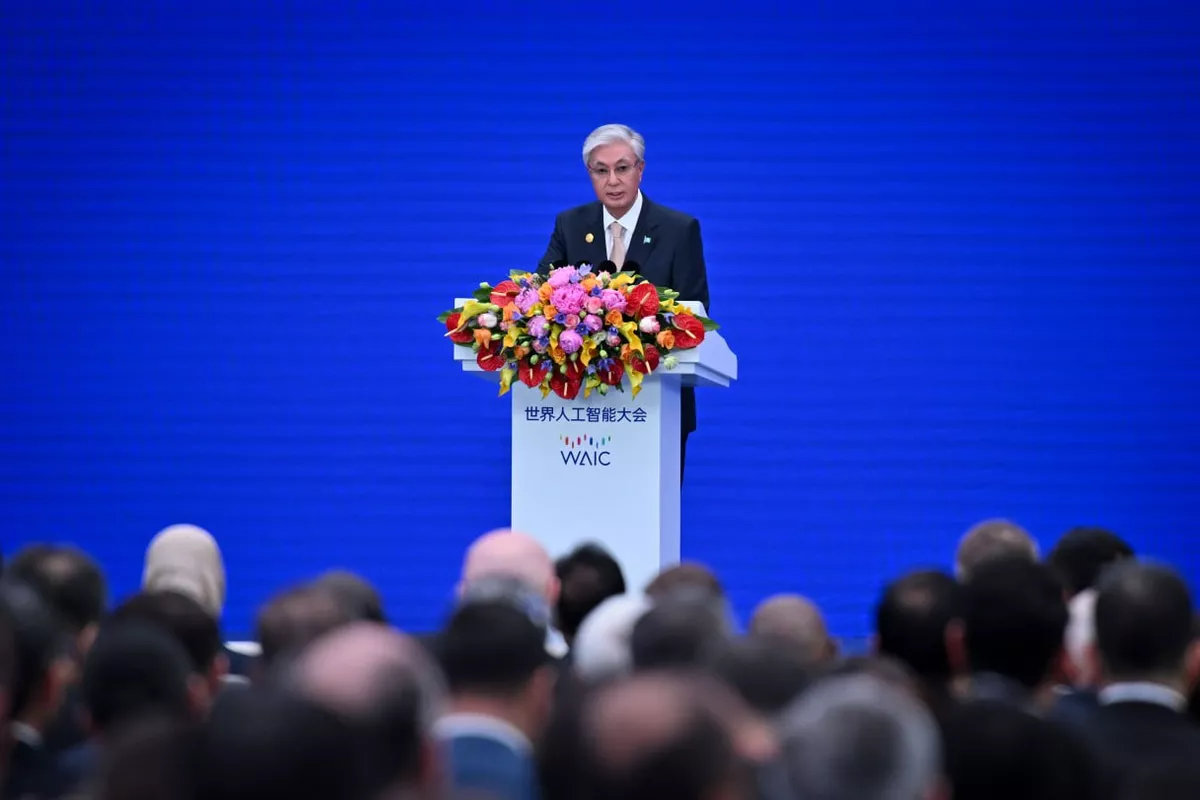
Kazakh President Kassym-Jomart Tokayev's participation in the World Artificial Intelligence Conference (WAIC) in Shanghai demonstrated that relations between Astana and Beijing are entering a new stage. While bilateral cooperation has traditionally centred on trade, energy, transport corridors and logistics, artificial intelligence and digital technologies are now emerging as another pillar of the strategic partnership.
This does not mean that the traditional foundations of Kazakhstan-China relations are losing their importance. On the contrary, trade and economic ties, transit cooperation, and Kazakhstan's participation in the Belt and Road Initiative remain central to the partnership. However, the technological dimension is gradually becoming an independent component of bilateral relations that could significantly reshape both the structure of Kazakhstan's economy and the country's role in the regional division of labour.
One of the key outcomes of the conference was the signing by 29 countries of an agreement to establish the World Artificial Intelligence Cooperation Organization. Kazakhstan was among the countries that supported the initiative.
The new organisation is expected to promote international cooperation and help establish mechanisms for global AI governance. Particular attention will be given to ensuring that technological progress remains orderly, secure and fair, and that its benefits serve humanity as a whole.
This approach is consistent with the position outlined by Chinese President Xi Jinping. The Chinese leader called for stronger oversight of the use of algorithms in decision-making, greater security in AI development, and measures to prevent new technologies from deepening global inequality.
In essence, China is offering not only its own technological solutions but also a model for the international governance of artificial intelligence. The main elements of this model include state oversight, technological sovereignty, the protection of cultural diversity, and the use of AI to support socioeconomic development.
For Beijing, it is critically important that the rules governing this sphere are not determined exclusively by a limited group of technologically advanced countries. China is seeking to establish itself as one of the leading architects of the future global system of AI governance.
Kazakhstan, for its part, is demonstrating its readiness to participate actively in shaping that system.
Speaking at the conference, Tokayev highlighted the scale of China's technological potential. According to him, more than half of the world's AI researchers are Chinese innovators, while China also leads in the number of patents registered in this field.
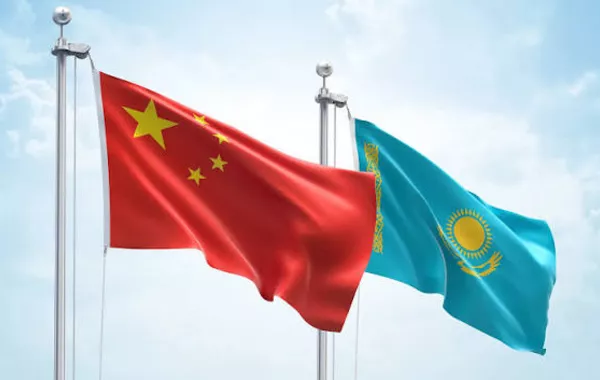
photo: getty images
The Kazakh president endorsed Xi Jinping's principle that people should come first and that artificial intelligence should serve progress and the public good. In Tokayev's view, this approach should form the basis of joint efforts to ensure that technological progress benefits everyone.
It is particularly significant that Astana views the proposed international organisation not merely as another discussion platform, but as a potential foundation for a universal architecture of AI governance. Kazakhstan is interested in turning the organisation into a practical instrument for cooperation, technology exchange and the development of common rules.
This support for China's initiative is fully consistent with Astana's broader foreign policy. Kazakhstan traditionally advocates multilateral regulatory mechanisms, avoids taking sides between competing centres of power, and seeks to participate in the establishment of new international institutions.
In the case of artificial intelligence, however, the issue goes beyond diplomatic support for Beijing's initiatives. Astana also intends to secure practical benefits from China's technological development.
It is in this context that Tokayev's proposal to launch the Kazakhstan-China Digital Bridge initiative should be viewed. The initiative is intended to promote digital trade, deepen the integration of the two countries' digital economies, and expand the technological dimension of the Belt and Road Initiative.
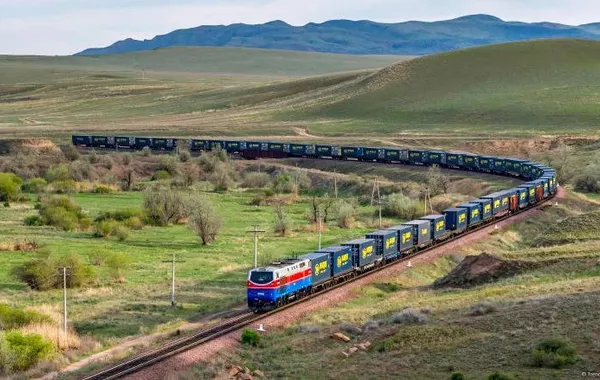
While traditional transport corridors facilitate the movement of goods, a digital bridge would create the infrastructure needed for the movement of data, technologies, electronic services and financial transactions. Kazakhstan therefore aims to become not only a land-based transit hub between China and Europe but also one of the region's leading centres of digital connectivity.
Tokayev also proposed ensuring the compatibility of national approaches to AI regulation. This is a matter of strategic importance for Kazakhstan. Incompatible rules governing data storage and transfer, e-commerce, digital identification and the use of algorithms could become serious obstacles to the implementation of joint projects.
Astana also proposed declaring the following year the Year of Joint Kazakhstan-China Initiatives in Artificial Intelligence. This proposal reflects a desire to move technological cooperation beyond isolated agreements and turn it into a systematic element of state policy.
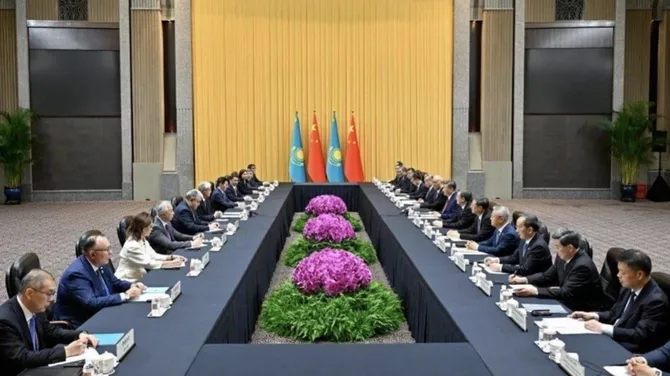
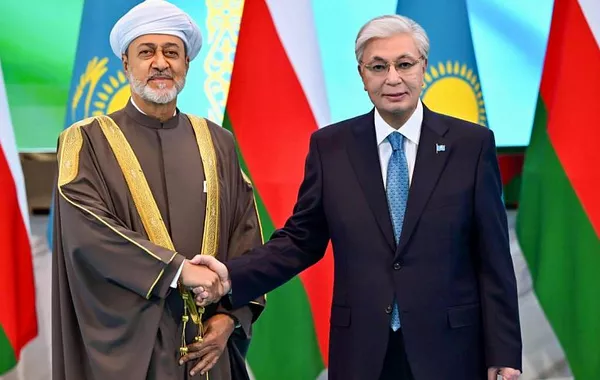
photo: Kazinform
The political foundations for this have already been laid. During his bilateral meeting with Xi Jinping, Tokayev reaffirmed Kazakhstan's readiness to support Chinese initiatives and stressed Astana's continued interest in strengthening its comprehensive and permanent strategic partnership with China.
However, the significance of Tokayev's visit to Shanghai is best measured by its practical outcomes.
The two sides signed a Roadmap for Trade and Economic Cooperation for 2027-2030. Xi Jinping also expressed China's readiness to share technologies in the fields of the digital economy and artificial intelligence, thereby contributing to Kazakhstan's digital transformation.
More than 70 agreements worth over $15 billion were signed during the visit. A significant number of them concerned artificial intelligence, digitalisation and high-tech manufacturing.
One notable agreement established a strategic partnership between Kazakhstan's Ministry of Artificial Intelligence and Digital Development and Huawei Technologies. The Chinese company has long been active in the Kazakh market, but the new format of cooperation could significantly expand its role in the country's digital infrastructure.
Samruk-Kazyna, Kazakhstan's sovereign wealth fund, signed a memorandum on the development of electric vehicle infrastructure and the application of AI in the country's automotive industry. Kazakhtelecom and China's HV & Submarine Hengtong Group also agreed on the basic principles of cooperation in creating a "Data Centre Valley".
A separate agreement on cooperation in artificial intelligence and robotics was signed by the Almaty city administration, NERO Group and UBTECH Robotics.
These projects indicate that Astana does not intend to limit itself to importing ready-made Chinese equipment. Kazakhstan is interested in building its own technological infrastructure, joint research centres, data centres and manufacturing facilities.
This marks the difference between simply purchasing foreign technologies and establishing a genuine technological partnership.
Kazakhstan must avoid becoming solely a consumer of foreign digital solutions. Long-term benefits will be possible only if cooperation includes knowledge transfer, the training of domestic specialists, the localisation of production, and the development of Kazakhstan's own research and innovation base.
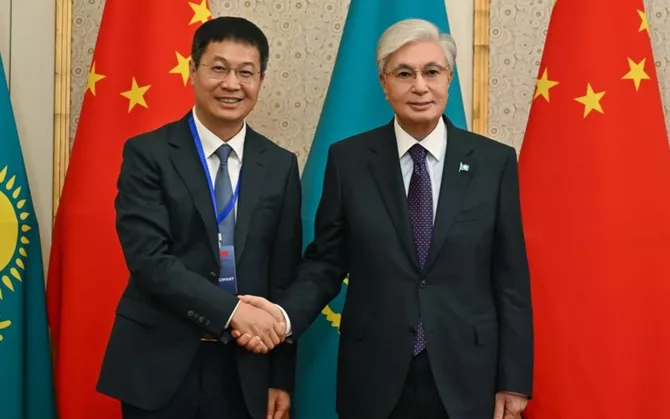
photo: Kazinform
Tokayev's meetings with the leadership of Xiaomi Corporation and China Communications Construction Company (CCCC) further demonstrate that the technological agenda extends far beyond artificial intelligence in the narrow sense. It encompasses telecommunications, digital logistics, transport infrastructure, e-commerce, electronics manufacturing and industrial automation.
The model proposed by the Kazakh president envisions creating an environment in which goods can cross borders as quickly and efficiently as data flows through digital networks.
This is an ambitious objective. Achieving it will require the modernisation of border infrastructure, the introduction of electronic document management systems, the harmonisation of customs procedures, and the use of AI to manage transport flows.
For China, such a model would help accelerate overland trade with Western markets. For Kazakhstan, it would create an opportunity to strengthen its role in Eurasian trade and generate revenue not only from the transit of goods but also from digital, financial and logistics services.
It is therefore unsurprising that Chinese analytical sources have described the Shanghai agreements as a turning point in bilateral relations. Beijing regards Kazakhstan as a politically stable country, the largest economy in Central Asia, and one of China's key partners across Eurasia.
The launch of the IBI Digital Economy Headquarters in Almaty also fits into this broader trend. The new international platform is expected to promote Kazakhstan-China cooperation in the digital economy, e-commerce, investment and high-tech manufacturing.
A comprehensive model of cooperation is gradually taking shape, in which intergovernmental agreements are complemented by the involvement of leading Chinese companies and the creation of specialised technological platforms.
At the same time, the expansion of China's technological presence raises a number of complex questions for Kazakhstan.
Astana must ensure the protection of national data, safeguard information security, and maintain transparency in the use of algorithms. It must also preserve a competitive environment so that the country's digital infrastructure does not become excessively dependent on a single external supplier.
Human capital will be equally important. Even the most advanced data centres and AI systems will not deliver a technological breakthrough without qualified engineers, programmers, researchers and managers.
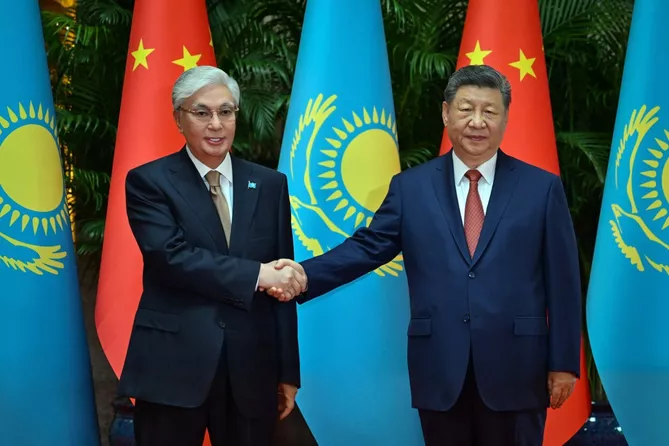
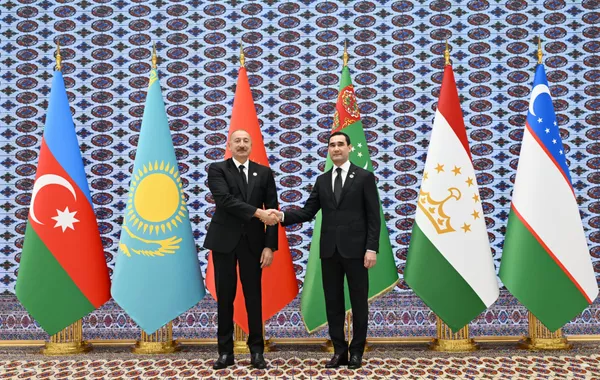
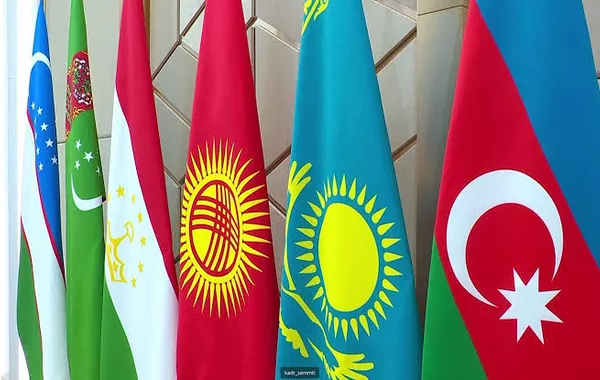
photo: Turkic World
For this reason, the success of Kazakhstan-China digital cooperation will ultimately be determined not by the number of memoranda signed but by Kazakhstan's ability to use its partnership with China to build its own technological ecosystem.
In the long term, this will be the true measure of success.
Beijing and Astana have already declared their intention to open a new "Golden Thirty Years" in bilateral relations. This vision includes the creation of a Kazakhstan-China community with a shared future and the closer alignment of national development strategies, including in science and technology.
Such language reflects the high level of political trust between the leaderships of the two countries. At the same time, it demonstrates China's determination to consolidate Kazakhstan's position as one of the central pillars of its broader Eurasian strategy.
For Astana, partnership with Beijing provides access to investment, technology and the world's largest market. For China, Kazakhstan is important as a reliable neighbour, a supplier of raw materials, a transit state and a potential regional centre of the digital economy.
Artificial intelligence is therefore rapidly becoming one of the key pillars of the Kazakhstan-China strategic partnership.
Transport, energy, trade and logistics will continue to play a major role in relations between the two countries. However, in the emerging global landscape, national competitiveness will increasingly depend on technology, data, computing infrastructure and the ability to develop independent AI capabilities.
The agreements reached in Shanghai indicate that Astana and Beijing are seeking to secure their positions in this new reality in advance.
Kazakhstan now has an opportunity to become not only a transport bridge between East and West but also an important digital hub in Eurasia. China, meanwhile, is expanding its technological presence in Central Asia while strengthening its influence over the development of regional rules governing the digital economy.
The main outcome of Tokayev's visit to China should therefore not be measured solely by individual contracts or even by the impressive value of the agreements signed. Far more important is the fact that technology has now been firmly established as one of the principal pillars of strategic cooperation between Kazakhstan and China.
The key question is whether Kazakhstan will be able to transform access to Chinese technologies into a driver of its own development rather than a new form of dependence. The answer will determine the true substance of the next stage in relations between Astana and Beijing.