Why Israel Carried Out Strikes on Iran with American Support
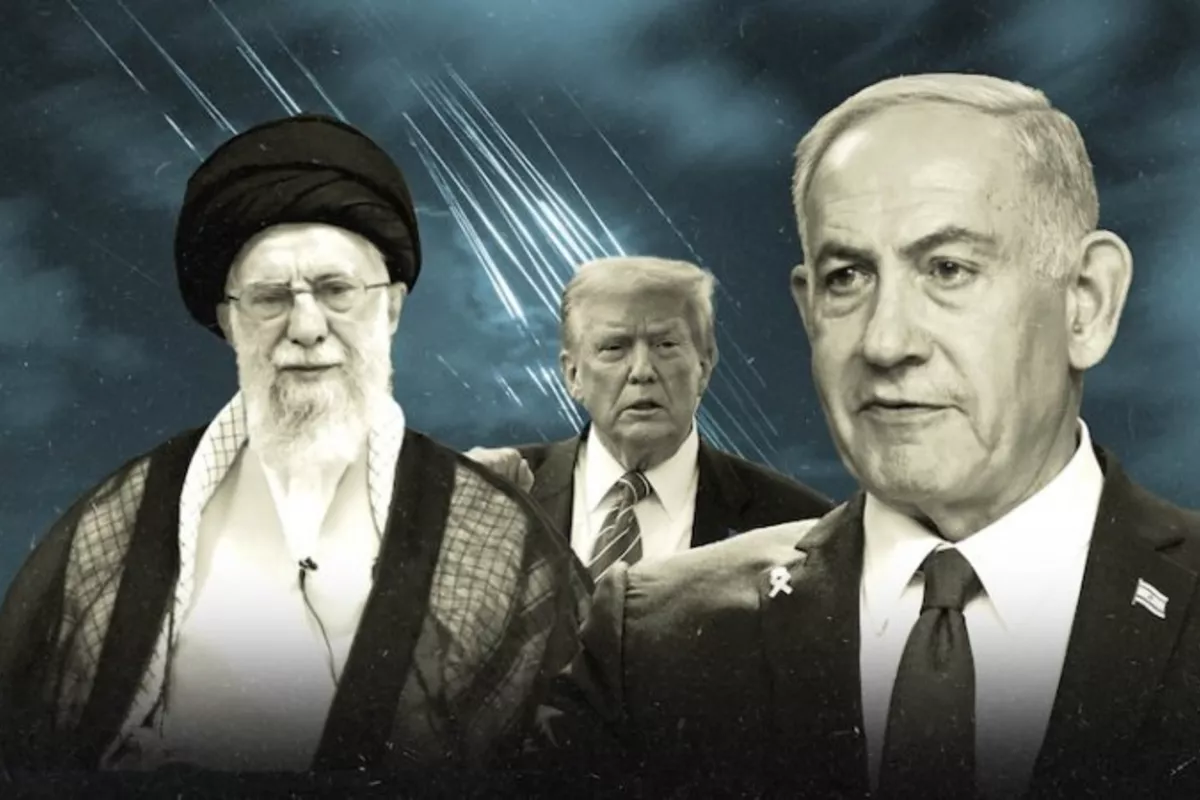
In their annual addresses to the United States Congress, American presidents traditionally review past developments and outline the strategic priorities for the year ahead. When a particular issue is emphasized, it signals that it will remain central to the administration’s agenda. This year, the Iranian question once again occupied a prominent place in President Donald Trump’s speech, and that emphasis now appears to have translated into military action.
Nearly a year of renewed negotiations failed to produce tangible results. Instead of easing tensions, diplomacy stalled, while intelligence assessments increasingly suggested that Iran was approaching critical technological thresholds in its nuclear and missile programs. Against this backdrop, Israel - with U.S. backing - moved from warnings to action.
At the core of the confrontation lies Iran’s nuclear program. Trump stated in Congress that since coming to power 47 years ago, Tehran and its proxy forces have “brought only terror, death, and hatred.” He accused the Iranian regime of decades of destabilizing activity and warned that the United States would never allow what he called “the world’s leading sponsor of terrorism” to obtain nuclear weapons.
The president recalled that Iran had been warned after previous strikes that any revival of its nuclear ambitions would be unacceptable. Yet, according to Washington, Tehran returned to what Trump described as its “sinister ambitions,” refusing to clearly state that it would never pursue nuclear weapons. The absence of what he called the “essential commitment” - “We will never have nuclear weapons” - became a critical turning point.
Source: Getty Images
However, the Iranian issue extends far beyond the nuclear file. It is also about regional dominance, control over hydrocarbon resources, and strategic transport corridors across the Middle East. The preservation of the U.S. dollar as the world’s reserve currency remains a structural pillar of American global influence. Any large-scale shift of oil transactions into alternative national currencies would be perceived in Washington as a direct geopolitical challenge. These broader dynamics intensified the strategic stakes.
Israel’s calculations were even more immediate. Iranian-backed forces across Lebanon, Syria, Iraq, and Yemen, combined with Tehran’s expanding missile and drone capabilities, created what Israeli security officials describe as a tightening strategic encirclement. From Jerusalem’s perspective, waiting risked allowing Iran to consolidate irreversible military capabilities.
At the same time, Trump warned that Iran had developed missile systems capable of threatening Europe and U.S. bases in the region and was working on technologies that could eventually reach American territory. Such capabilities, if fully realized, would represent a direct challenge to U.S. national security architecture.
Washington’s demands during negotiations remained uncompromising: a complete halt to uranium enrichment, removal of enriched material from Iranian territory, restrictions on ballistic missile development, and an end to support for regional allied groups. Tehran rejected these conditions as unacceptable, insisting it would only negotiate within the nuclear framework, maintain enrichment on its own soil, and exclude its missile and regional policies from discussion. Iran signaled readiness to limit enrichment levels to 3.6 percent for a defined period, but not to abandon the program entirely.
Another round of negotiations on February 26 produced no breakthrough. Despite customary diplomatic language about “progress,” both sides maintained their previous positions.
Meanwhile, Trump reportedly issued a 10-15-day ultimatum, set to expire in early March. As that deadline approached, the strategic logic of deterrence began to outweigh the logic of diplomacy. Supporting Israel also reinforced U.S. alliance credibility at a time of intensifying global competition. Failing to act, from Washington’s perspective, risked weakening deterrence far beyond the Middle East.
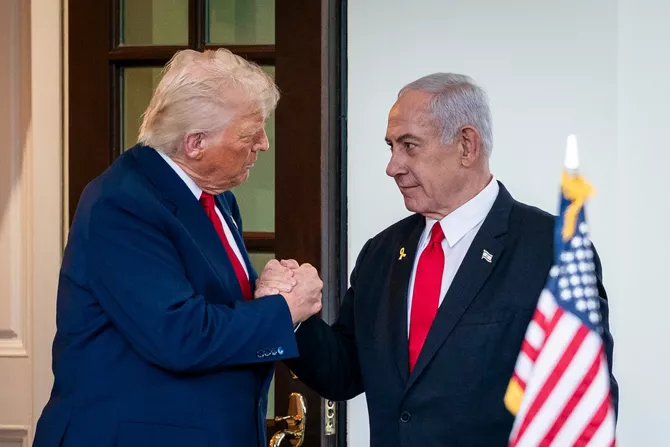
In response to U.S. accusations, Iranian officials dismissed the claims as fabrications. Foreign Ministry spokesperson Esmail Baghaei called the American administration “professional liars,” while Parliament Speaker Mohammad Bagher Ghalibaf warned that any strike during negotiations would trigger a “powerful response” from Iran’s defense forces. “All options are on the table,” he stressed - both diplomacy and decisive defense.
Source: The New York Times
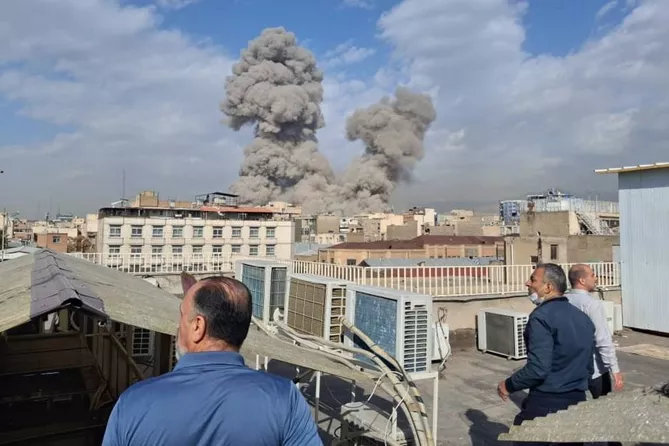
The Israeli-American strike, therefore, appears to be the result of converging strategic calculations: preventing nuclear weaponization, containing regional expansion, preserving financial and geopolitical leverage, and maintaining deterrence credibility.
Yet the risks are immense. Iran retains significant missile capabilities and influence across multiple regional theaters. Any escalation could involve retaliatory attacks on U.S. bases, Israeli territory, or critical maritime routes.
While some analysts speculate about a short, high-intensity confrontation resembling a limited campaign, the scale of the confrontation suggests that any conflict could extend far beyond a brief exchange and potentially reshape the political structure of the Islamic Republic itself.
The central question now is not why the strike occurred, but whether it marks a limited operation designed to reset deterrence, or the opening phase of a broader and far more destabilizing regional war.