Tensions Rise Around Chinese Mining Projects in Tajikistan
Chinese companies operating in Tajikistan are facing mounting pressure from local communities, particularly in the mining sector.
One of the latest flashpoints emerged in November at the Zarafshon gold mine near Panjakent, one of the country’s largest Chinese-run industrial ventures, The Caspian Post reports via Tajik media.
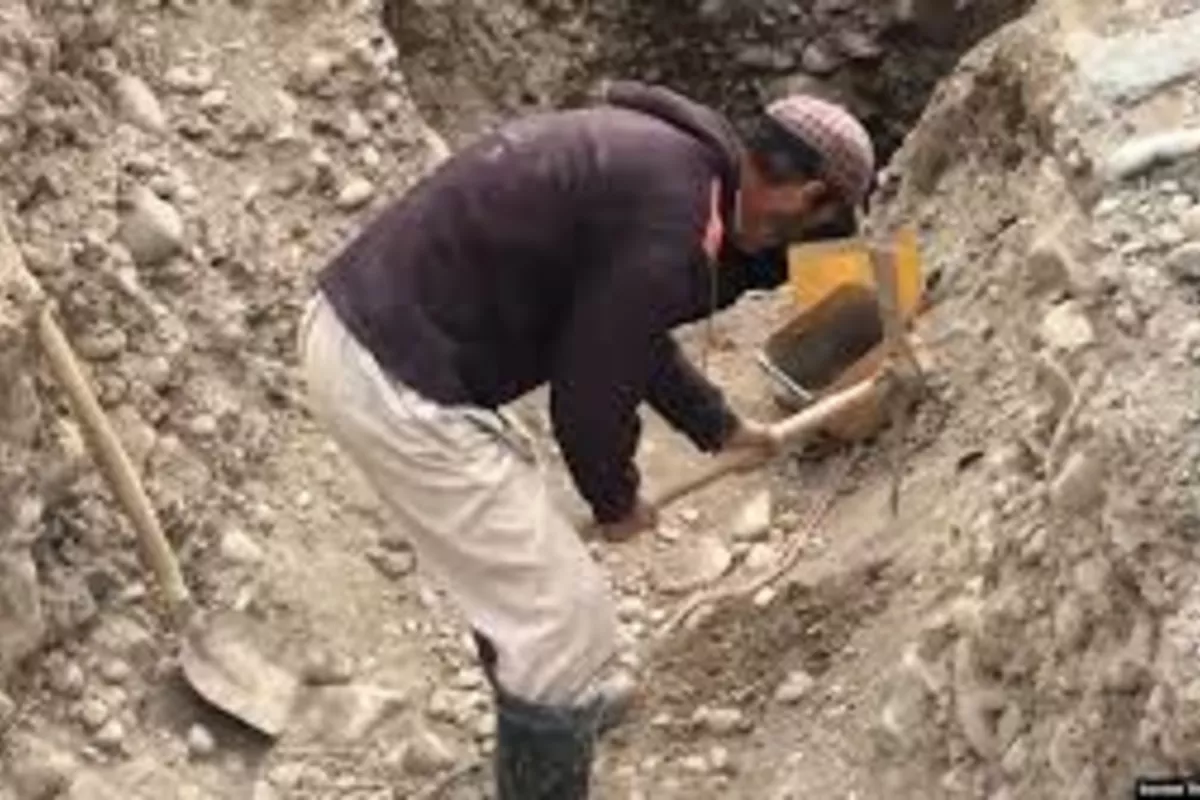
Tajik workers at the mine submitted a rare collective petition demanding higher wages, citing stagnant salaries and alleged pay disparities with Chinese colleagues. Miners say their monthly earnings-between 2,000 and 4,000 somonis ($215-$430)-no longer cover rising living costs in Tajikistan, especially given the physically demanding and hazardous nature of their work.
Several workers said their wages have not increased despite inflation. They also called for equal pay with Chinese employees, a long-standing grievance that has fueled resentment at the mine. Management rejected the request for salary increases, instead proposing a bonus system starting in 2026, including small holiday and birthday payments. Workers dismissed the offer as symbolic and insufficient.
The dispute reflects broader strains between Chinese enterprises and local labor forces. China is Tajikistan’s largest foreign investor, having poured more than $5.1 billion into mining, infrastructure, and energy projects since 2007. While these investments have supported economic growth, they have also intensified concerns over labor conditions and inequality.
At Zarafshon, some employees claim stark wage gaps. Former workers allege that Tajik engineers earn up to six times less than their Chinese counterparts and that locals often work extended hours to supplement their income. Tajik authorities deny systematic disparities. The Ministry of Labor says inspections in 2024 identified labor violations and resulted in fines but found no proof of unequal pay.
Beyond wages, environmental and social concerns are adding to local unease. Zarafshon produces around 70 percent of Tajikistan’s gold and has been repeatedly praised by President Emomali Rahmon as a pillar of the national economy. Yet residents near the mine have reported health problems they associate with mining activity-claims the government rejects but which continue to erode trust.
Security risks are also rising. In late 2025, construction along the Dushanbe-China highway was disrupted following deadly attacks near the Afghan border that killed Chinese workers, underscoring growing safety concerns around Chinese-backed projects.
With Chinese companies now accounting for an estimated 84 percent of Tajikistan’s gold output, the stakes are high. As living costs rise, wages stagnate, and security challenges intensify, workers’ frustrations point to a widening gap between the promises of foreign investment and everyday realities. Whether Chinese firms and local authorities can defuse these tensions may determine the long-term stability of Tajikistan’s most important industrial projects.