photo: sud-expert
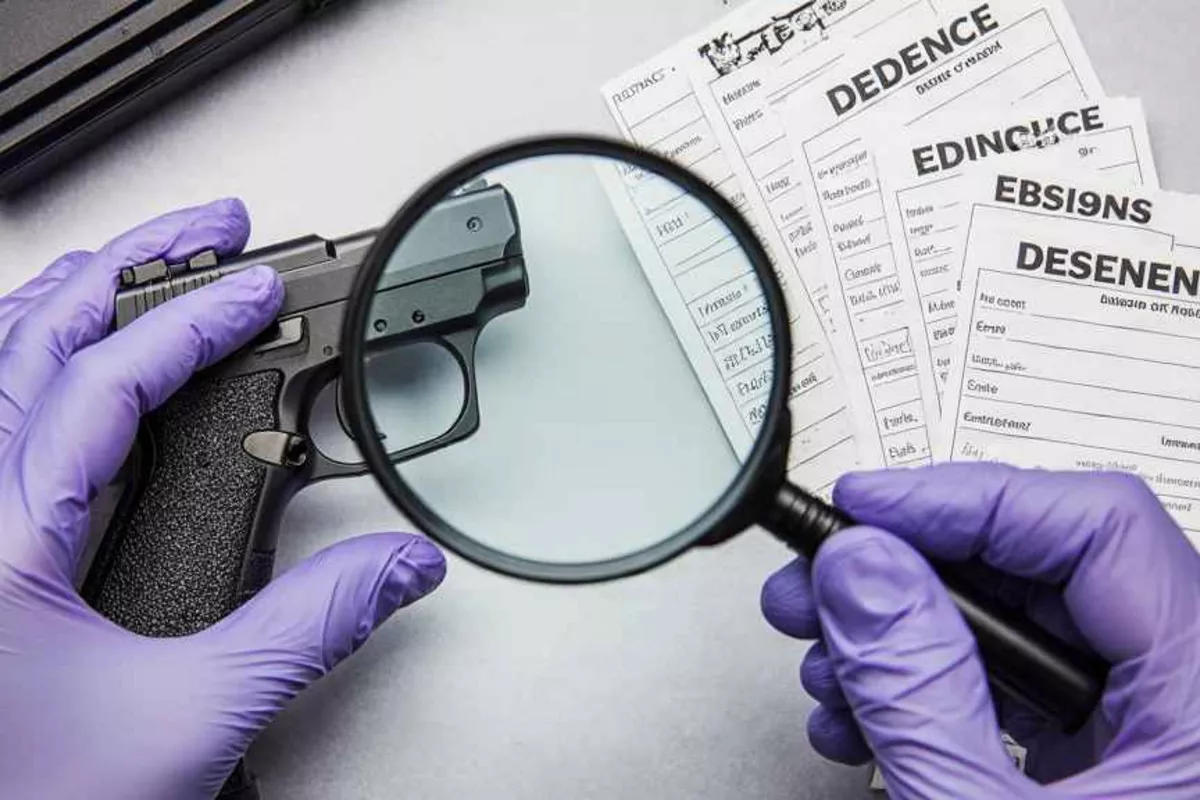
The United Nations Office on Drugs and Crime (UNODC) and the United Nations Office of Counter-Terrorism (UNOCT) have supplied advanced forensic and ballistic equipment to the interior ministries of Tajikistan and Uzbekistan as part of a joint project combating the illicit circulation of small arms and light weapons (SALW) and their supply to terrorists.
Funded by the Canadian government, the initiative aims to strengthen national security and improve the efficiency of criminal investigations, The Caspian Post reports via Uzbek media.
Boosting Ballistic Research in Tajikistan
On November 26, 2025, UNODC’s regional office for Afghanistan, Central Asia, Iran, and Pakistan delivered high-precision digital ballistic microscopes with sample comparison capabilities to the Ministry of Internal Affairs of Tajikistan in Dushanbe. The modular equipment enables systematic analysis of bullets and cartridges, tracks weapons used in crimes, and integrates with national ballistic information systems. Tajik authorities highlighted the importance of continued cooperation with UNODC and UNOCT to modernize labs, expand data storage, and enhance expertise to respond to emerging threats.
Strengthening Forensic Capacity in Uzbekistan
On December 12, 2025, UNODC provided advanced IT equipment to Uzbekistan’s Main Expert-Forensic Center. The technology enhances the operational and analytical capabilities of the ballistic laboratory, supports investigations of illegal arms circulation and terrorist offenses, and strengthens international collaboration. Alexander Fedulov, UNODC regional deputy, emphasized the organization’s commitment to ongoing partnership with Uzbekistan’s Interior Ministry. Alexey Ryumin, deputy head of the Main Expert-Forensic Center, praised the project for developing professional expertise and improving evidence-based investigations.
Regional Impact and Global Significance
The UNODC-UNOCT project strengthens technical and operational capacities of Central Asian law enforcement, enabling the tracking of illicit weapons, investigation of organized crime and terrorism, and fostering regional cooperation. The initiative supports UN Security Council Resolution 2370 (2017), the Madrid Guidelines, and the UN Global Counter-Terrorism Strategy. By combining legal support, training programs, specialized workshops, and modern equipment, the project significantly improves criminal justice responses, strengthens national institutions, and prevents the transfer of illegal weapons to terrorists, contributing to regional security and SDG 16 - “Peace, Justice, and Strong Institutions.”
Share on social media