India Pushes Central Asian Migrants Out of Russia’s Labor Market
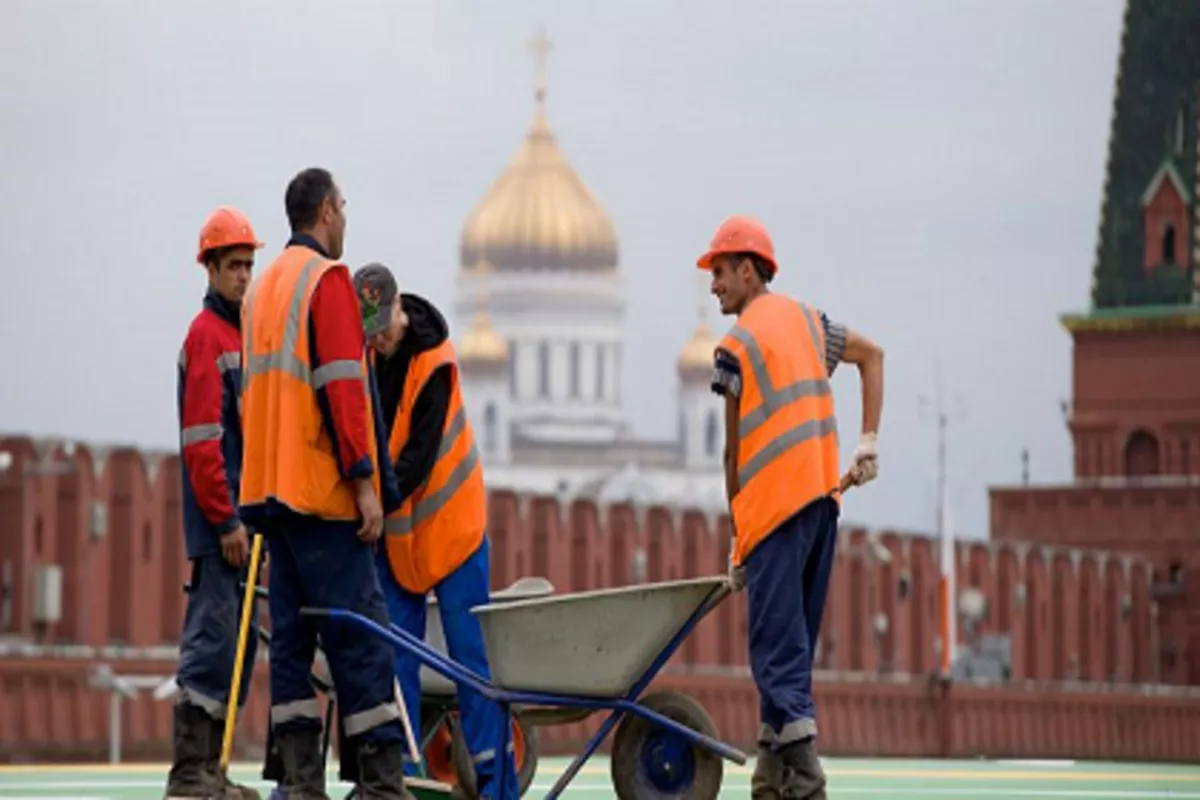
In recent months, migrant workers from Kyrgyzstan, Tajikistan and Uzbekistan have increasingly reported the blocking of their bank cards in Russia, leaving them unable to withdraw or access their own funds. Affected individuals are typically informed that their accounts will remain frozen until they are removed from Russia’s official register of controlled persons.
The register - introduced as part of tighter migration enforcement - imposes sweeping restrictions on foreign nationals. Those listed are barred from using bank accounts, registering businesses, purchasing property, registering or driving vehicles, obtaining driving licences, formalising marriages, or travelling beyond their region of residence. In practice, inclusion in the register effectively excludes migrants from the formal economy while they remain physically present in the country.
These measures have significantly increased uncertainty for Russia’s traditional labour migration channels, long dominated by workers from Central Asia.
Against this backdrop - and amid persistent labour shortages driven by demographic decline and the ongoing war in Ukraine - Russian authorities and employers have begun to diversify their sources of foreign labour.
India has emerged as one of the most notable beneficiaries of this shift.
Indian workers move into Russia’s labour market
The number of Indian nationals arriving in Russia for employment has risen sharply since 2023, according to official data and industry estimates. That year, approximately 10,000 Indian citizens entered Russia for work-related purposes - a fourfold increase compared with the previous year. In 2024, arrivals climbed further to nearly 26,000.
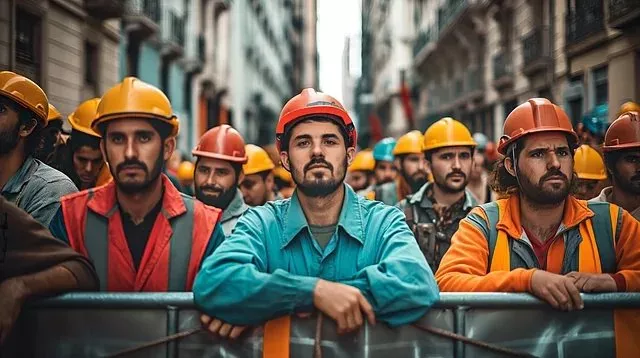
Photo credit: Freepik
Preliminary figures for the first nine months of 2025 show more than 27,000 work-related entries, suggesting that total arrivals could exceed 35,000 by the end of the year if current trends continue. Industry groups and regional authorities estimate that the total number of Indian workers currently present in Russia may already exceed 60,000, although precise figures vary depending on visa categories and registration status. Russia’s labour quota system reflects this growing reliance. For 2025, the government approved a national quota of approximately 235,000 foreign workers, with more than 70,000 places reportedly allocated to Indian nationals. Officials have signalled that these limits could be adjusted in response to market demand, particularly in sectors facing acute workforce shortages.
Indian migrants are being recruited across construction, manufacturing, agriculture, logistics and services. While many are employed in physically demanding or low-skilled roles, employers have also shown interest in Indian technicians, machine operators and industrial workers, citing reliability and workforce availability. Language barriers and certification requirements remain challenges, but recruiters describe the overall process as increasingly streamlined.
For Indian workers, Russia offers wages that often exceed earnings available for similar work at home, alongside relatively accessible recruitment channels compared with some traditional destinations. For Russia, the inflow reflects a pragmatic response to labour shortages at a time when access to established migration pools has become less predictable.
A recalibration driven by necessity
The growing presence of Indian workers underscores a broader transformation in Russia’s migration strategy. As regulatory pressure increases on migrants from Central Asia, and demographic pressures continue to shrink the domestic workforce, Moscow appears to be prioritising economic functionality over established migration patterns.
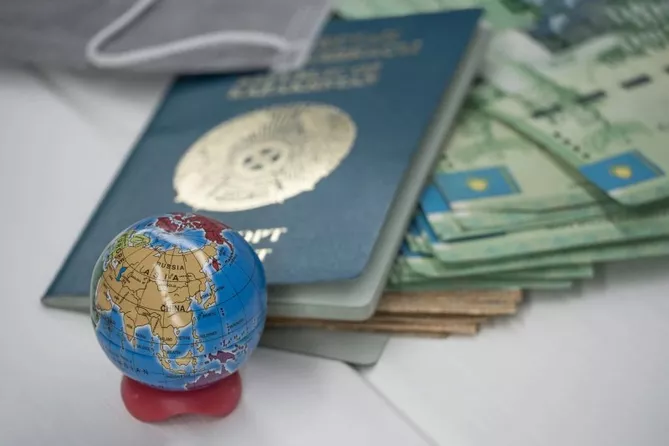
Photo credit: oxussociety.org
While some media reports have speculated about the possible arrival of up to one million Indian workers, such figures have not been supported by official data and are generally viewed by analysts as aspirational rather than imminent. What is clear, however, is that India is no longer a marginal source of labour for Russia.
Instead, it is becoming an increasingly important component of a workforce model reshaped by enforcement measures, economic necessity and the long-term impact of the war in Ukraine.
Russian officials emphasise that placement on the register of controlled persons is a temporary administrative measure and does not constitute a criminal sanction. However, for affected migrants, the restrictions function as a de facto financial and mobility freeze, reinforcing the shift toward alternative labour sources at a time when workforce availability has become a strategic economic concern.