The Turanian World: From the Empire’s Periphery to the Architecture of the Future
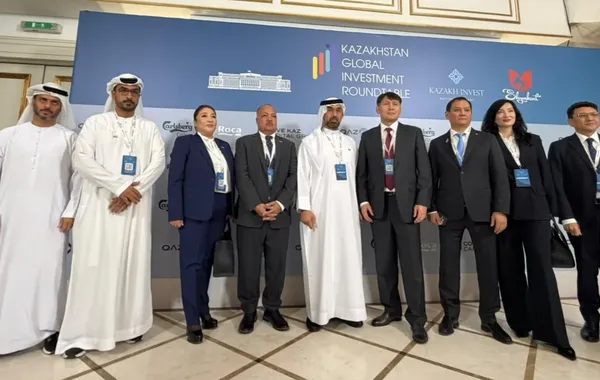
The foundation stone for a Centre for Turkic Civilisation was recently laid in Astana. It is a symbolic site of integration that responds to Moscow’s century-long attempt to erase this identity within its own “backyard”. And which has now, instead, discovered its own power as the guardian of the main energy and logistics arteries between East and West.
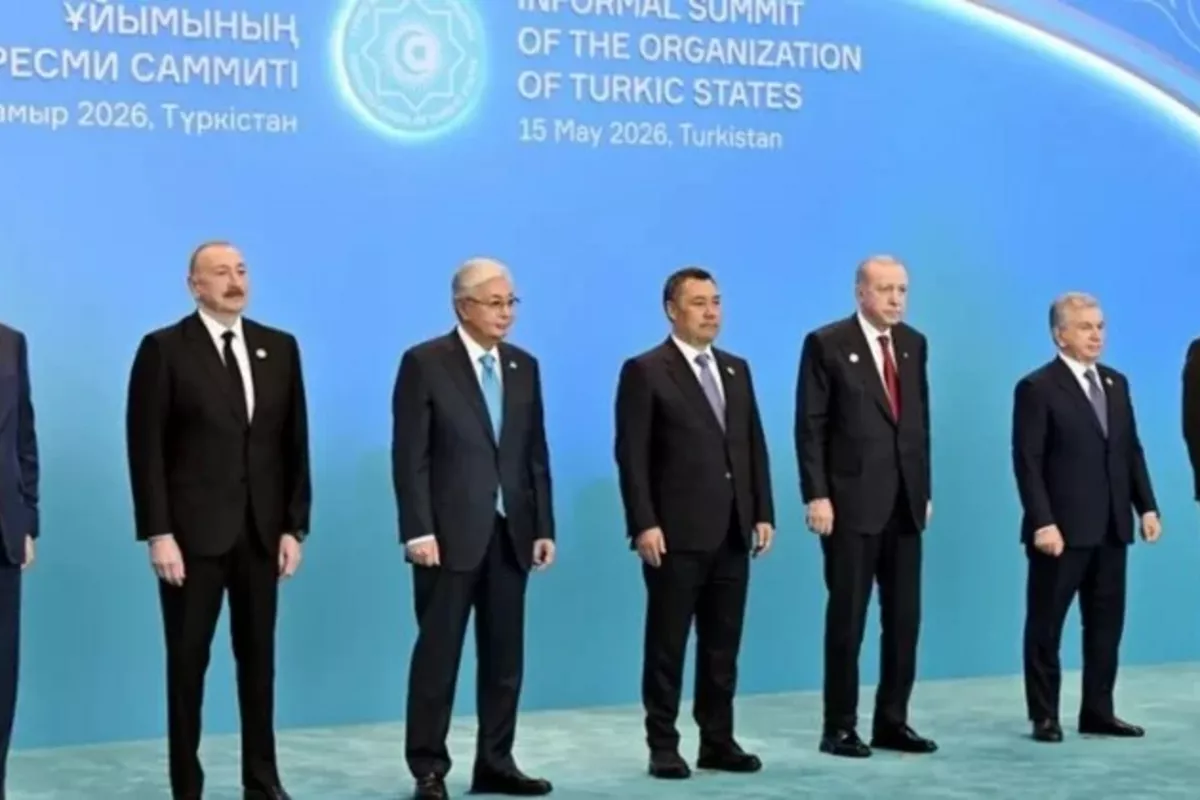
The events of recent days in Astana, the capital of Kazakhstan, marked by the laying of the foundation stone of the Centre for Turkic Civilisation and the integration of GovTech digital technologies, do not merely represent another diplomatic gesture between countries linked by common cultural roots, but in a sense the final culmination of an era that began in the 19th-century halls of Versailles and on the battlefields of the First World War, as historian Agil Gakhramanov states on zerkalo.az, The Caspian Post reports via Asia News.
We are witnessing an epoch-making shift, in which the Turanian world is ceasing to be the object of foreign geopolitics - a ‘bargaining chip’ in the hands of the great powers - and is emerging as an independent architect of global processes. This process is deeply unsettling for those accustomed to viewing the Turanian peoples as mere sources of resources, or the ‘backyard’ of their own empires, as in Soviet times.
The historical irony lies in the fact that current Russian rhetoric, which stigmatises the collective West, completely ignores the fact that Russia, for centuries, was an integral part of this very same West in the suppression of the Ottoman Empire. During the Entente, Tsarist Russia, alongside Britain and France, enthusiastically set about drawing up maps to partition the Ottoman Empire, laying claim to Istanbul and the Black Sea straits. Today’s conflict with NATO does not prevent Moscow from employing, within its own borders, the very same imperialist methods once practised by the colonial powers of the 19th century. For external actors, both in Moscow and in certain European capitals, Turanian unity represents a thorn in the side of the political class, as it undermines the monopoly on transit, meaning and political will at the heart of Eurasia.
A particular tragedy of this process is unfolding within the Russian Federation itself. Whilst the leaders of the Organisation of Turanian States discuss artificial intelligence and the preservation of cultural heritage, millions of people of Turkic origin in Russia are facing a systematic process of ‘erosion’ of their identity. The situation of the Sakha people in Siberian Yakutia is the most glaring example of this hypocrisy: living in a land literally strewn with diamonds and gold, a third of the Yakuts live below the poverty line. This is a classic extractive model: natural resources belong to the empire, leaving the population with nothing but environmental problems and social instability.
Alongside economic plunder, a silent cultural war is underway. Artificially restricting education in native languages, turning national dialects into optional subjects: this is a deliberate policy aimed at creating a ‘rootless’ population, deprived of any connection to its origins. The religious aspect of this policy reveals even deeper layers of Islamophobia, now systemic in Russia. Footage of worshippers forced to pray in the snow due to a shortage of mosques or their forced closure is being broadcast throughout the Turanian world.
As Gakhramanov also states, “the process initiated at the informal summit of the unified territorial communities of Turkestan is now unstoppable”. The creation of the Centre for Turanian Civilisation represents a response to the century-long attempt to erase the Turkic peoples from history; the Turanian world has realised its power as a bridge between East and West, as the guardian of the planet’s main energy and logistics arteries.
Ultimately, the struggle for Turkic identity today is a struggle for the right to exist without having to kowtow to the “big brothers”. Whilst Moscow attempts to resurrect the spectre of the Entente, masquerading as a defender of traditional values, the Turanian states are building a genuine alternative. This is a world in which the voice of a Yakut, a Crimean Tatar, an Azerbaijani or a Kazakh should not resound as an echo in the Kremlin, but as the sovereign will of a great civilisation that has returned to the world stage to take its rightful place. The transformation of Eurasia has already begun and, in this new symphony, the Turkic voice takes centre stage, drowning out the clamour of crumbling empires.
by Vladimir Rozanskij