The expansion of the C5 format into C6 with Azerbaijan’s inclusion marks a new stage in regional integration between Central Asia and the South Caucasus. Experts in Kyrgyzstan view the format as a practical mechanism for strengthening economic coordination, developing the Middle Corridor, and diversifying trade routes. Strategic cooperation between Bishkek and Baku enhances connectivity, investment flows, and long-term regional resilience amid shifting geo-economic realities.
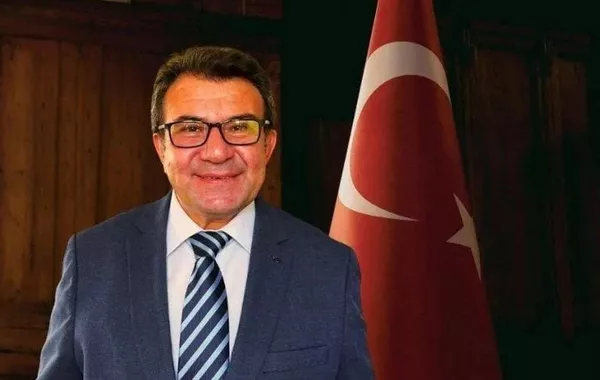
The Caspian Post analytical website interviewed Almaz Tazhybai, a Kyrgyz political analyst and economist, to discuss the growing significance of the C6 format and the strategic partnership between Bishkek and Baku.
- How are the prospects of the C6 format assessed in Kyrgyz expert circles in terms of strengthening regional economic integration and coordination between Central Asian countries and Azerbaijan?
- The inclusion of Azerbaijan last year in the C5 consultative format (five Central Asian countries), transforming it into C6 (Central Asia plus Azerbaijan), opened a new chapter of cooperation between Central Asian states and Azerbaijan. This marks a new regional phase of dialogue and integration which, in the long term, is expected to deepen strategic engagement and foster closer coordination in addressing common challenges.
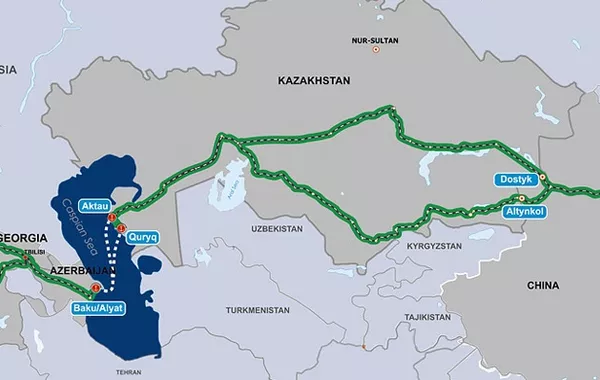
First and foremost, this concerns economic cooperation and trade, particularly expanding Central Asia’s access to Western markets through transport and logistics corridors linking the regions via Azerbaijan. Azerbaijan’s participation offers the region new logistical and geo-economic opportunities, including direct access to the South Caucasus, Türkiye, European countries, and the Mediterranean. This makes the format not only consultative but also a practical instrument for shaping new economic ties.
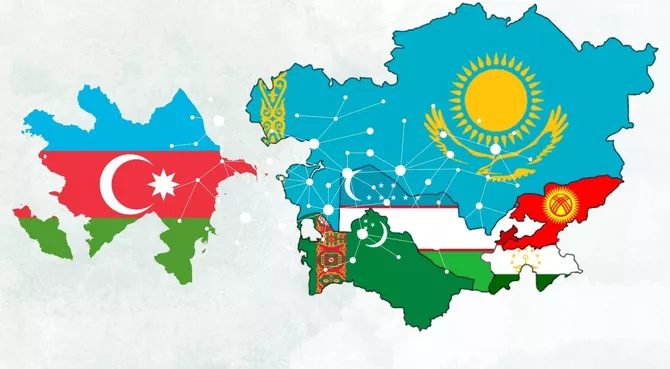
photo: aircenter
It will contribute to the diversification of economic relations and strengthen regional energy security. If more sustainable mechanisms emerge in practice, including formal institutions and analytical platforms, the countries will reinforce their positions on the international stage and develop coordinated strategies not only in the economic sphere but also in geopolitics.
- In the context of the active development of the Middle Corridor, what role can Kyrgyzstan play in building sustainable transport and logistics links within C6?
- Amid the active development of the Middle Corridor, also known as the Trans-Caspian International Transport Route, the role of the Kyrgyz Republic within the C6 format is viewed as potentially strategic, although it requires institutional and infrastructural strengthening.
For example, the strategically significant China-Kyrgyzstan-Uzbekistan railway project, launched in December 2024, will integrate the country into the Trans-Caspian supply chain. If this alternative infrastructure is completed on schedule by 2028 or 2030, the route will connect goods from China’s industrial regions to Central Asian countries and further toward the Caspian direction.
This will diversify routes by bypassing existing overloaded hubs along the Kazakhstan and Azerbaijan corridor. The Kyrgyz Republic will cease to be a railway “dead end,” which will strengthen its economic ties with Azerbaijan. This will provide a new impetus for cooperation not only between the two countries but also between their respective regions.
- In your opinion, how does cooperation with Azerbaijan open new opportunities for Kyrgyzstan in trade, investment, and infrastructure projects?
- Diplomatic cooperation combined with close engagement with Azerbaijan expands pragmatic geo-economic leverage. For the Kyrgyz Republic, Azerbaijan provides access not only to the South Caucasus region and westward markets but also an opportunity to reduce dependence on northern routes and diversify export channels amid geopolitical risks.
This could lead to significantly higher trade turnover between the countries compared with last year, when bilateral trade amounted to $10 million.
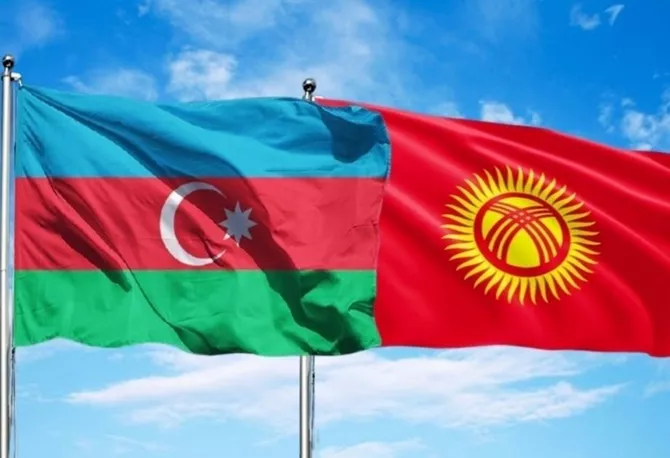
photo: Trend
Azerbaijan has begun investing in the country’s economy through the Azerbaijan-Kyrgyz Development Fund, with initial capital of $100 million. There are joint projects with Azerbaijan in energy, agriculture, and other sectors. In the long term, cooperation with Azerbaijan opens strategic opportunities, enhancing the investment attractiveness of the mountainous country as an integral part of the Eurasian logistics chain.
- Which sectors of Kyrgyzstan’s economy have the greatest potential to be integrated into regional value chains within the C6 format?
- The country’s greatest potential for integration into regional value chains lies in several strategic niches.
These include the agro-industrial sector, as Kyrgyzstan produces environmentally clean mountain products such as honey, meat, dairy products, nuts, and beans. These require domestic processing for markets in the South Caucasus and Türkiye.
The textile and light industry sector also holds potential, where export chains can be expanded and new products branded. The mining and metal-processing sectors could move from raw material exports toward semi-finished and finished products.
Energy and the green economy represent another major area, as the country possesses significant hydropower potential that aligns with Azerbaijan’s strategic priorities. Logistics and transport hubs likewise require investment in warehousing, multimodal transport, and digital logistics services. Regional tourism routes also offer promising prospects.
- In the context of current geo-economic transformations, how do you assess the significance of the strategic partnership between Bishkek and Baku for the long-term sustainability of the region?
- In the context of ongoing geopolitical and geo-economic transformations, including the restructuring of global markets, sanctions-related turbulence, the reorientation of trade flows, and the strengthening of transit corridors, the strategic partnership between Bishkek and Baku is acquiring structural rather than situational significance.
This implies reduced transit dependence on a single direction, integration into the Trans-Caspian architecture, expansion of multi-vector economic cooperation, and consolidation of an emerging element of regional resilience.