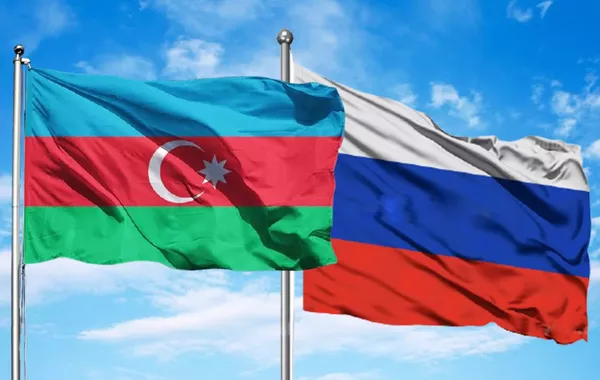
The C6 platform marks a new phase in regional integration between Central Asia and Azerbaijan, with Uzbekistan positioning itself as one of the principal engines of this transformation. By emphasizing institutional dialogue, industrial cooperation, energy complementarity, and diversification through the Middle Corridor, Tashkent seeks to shape a resilient and forward-looking regional architecture.
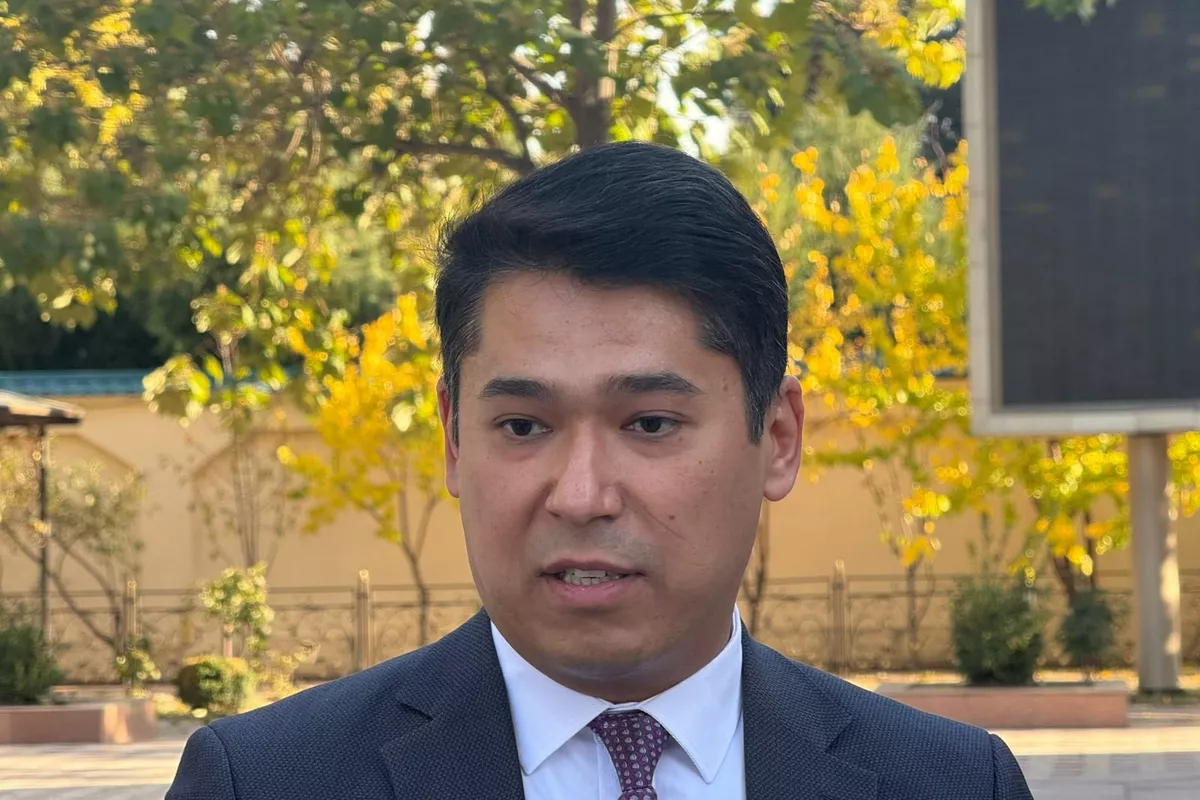
The Caspian Post spoke to Khayotjon Ibragimov, PhD, Head of the Energy Diplomacy and Geopolitics Center at the Institute for Advanced International Studies (Uzbekistan), to explore these dynamics in depth.
- Mr. Ibragimov, in the context of the discussions held in Baku within the framework of the C6 platform, what strategic priorities does Uzbekistan identify for deepening intra-regional economic integration, and what role can Tashkent play in this process?
- Last week’s discussions in Baku at the C6 conference “One Region. Shared Future” marked a significant milestone in rethinking regional integration. From Uzbekistan’s perspective, the strategic priorities for deepening integration within the C6 framework focus on three interrelated dimensions.
The first dimension is the institutionalization of regional dialogue. The transition from the C5 to the C6 format should not be viewed merely as the addition of Azerbaijan to an existing agenda, but as the creation of a qualitatively new platform for joint decision-making and coordinated policy planning. A growing number of international analysts observe that the Central Asian states, together with Azerbaijan, are shaping the contours of a new institutional architecture in the broader Caspian and Eurasian space.
Tashkent sees its role as a driving force in this process. Uzbekistan has consistently promoted the concept of a cohesive Central Asian community and stands ready to contribute its expert, analytical, and organizational capacities to ensure that the C6 format develops concrete mechanisms and practical outcomes.
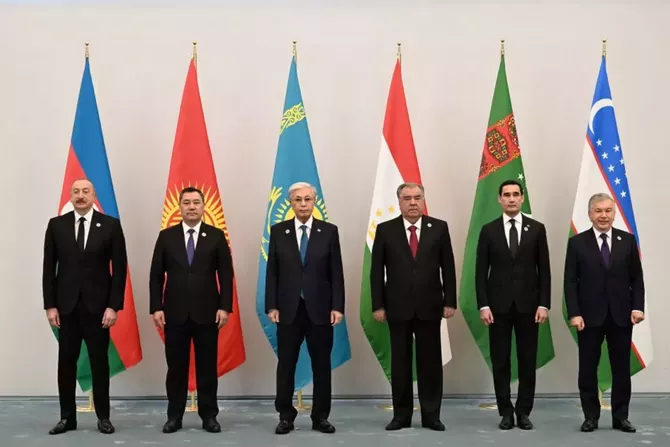
photo: President.Az
The second priority is the formation of sustainable regional value chains. The objective extends beyond increasing trade volumes. It involves fostering industrial cooperation, in which Uzbekistan can serve as a center for processing and manufacturing. The country’s diversified industrial base, developed agricultural sector, expanding energy infrastructure, and growing domestic market create favorable structural conditions for such a role.
The third priority is energy complementarity. Uzbekistan occupies a distinctive position by combining traditional gas-fired generation, substantial hydropower potential, and an ambitious renewable energy development program. In this context, Tashkent aims to act as an integrator of regional energy systems, facilitating a balanced exchange between supply and demand among C6 members. Uzbekistan’s role can therefore be described as both a hub and a moderator.
We are not merely participating in integration processes; we are investing in the physical and institutional infrastructure necessary to make regional cooperation sustainable, predictable, and mutually beneficial for all participants.
- Given the significant growth in cargo transportation along the Middle Corridor over the past three years, to what extent does Uzbekistan regard the Trans-Caspian route as a sustainable and competitive alternative logistics corridor? Does it create synergy with, or competition against, existing routes?
- From Uzbekistan’s standpoint, the Trans-Caspian corridor is unequivocally a strategic priority and an element of economic sovereignty.
Recent data illustrate the trend clearly. Over the past three years, cargo volumes along the Middle Corridor via Azerbaijan have increased by approximately 90 percent. In 2024, total cargo throughput exceeded one million tons, representing a fivefold increase compared with 2019 levels.
Regarding sustainability and competitiveness, three principal arguments can be advanced.
The first concerns time efficiency. Delivery along the Middle Corridor currently takes approximately 19 to 23 days, while certain alternative routes may require 38 to 53 days. Efforts are underway to reduce transit time further, potentially to around 15 days. This represents not only competitiveness but also a substantial enhancement in the efficiency of Eurasian logistics networks.
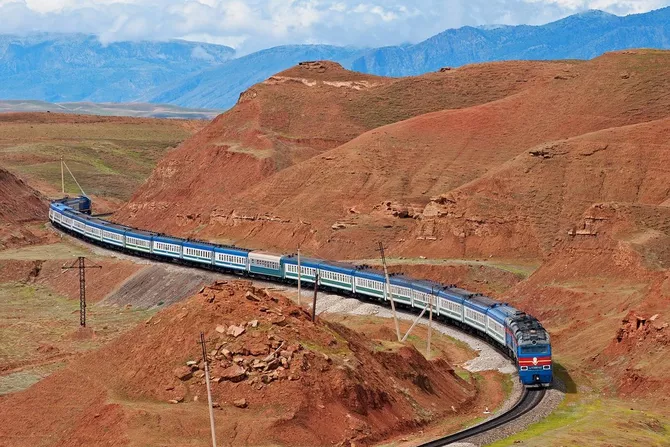
photo: Trend
The second argument relates to investment and political backing. The European Union has identified the Middle Corridor as a key component of its Global Gateway strategy in the region. Projections indicate that annual cargo volumes could reach 10 to 11 million tons by 2030. Additionally, the American TRIPP initiative aims to expand the route’s capacity toward European markets significantly. Such institutional support enhances both credibility and long-term viability.
The third argument addresses the question of competition versus synergy. Uzbekistan does not perceive transport corridors as mutually exclusive. The guiding principle is diversification. While the western vector via the Caspian is being actively developed, this does not imply the abandonment of northern or southern routes.
Recent geopolitical developments, including temporary disruptions to Iranian airspace, have demonstrated that excessive dependence on a single corridor entails systemic risk. Strategic resilience requires redundancy. Accordingly, the Middle Corridor is viewed not as a competitor to other routes, but as a critical component of a diversified and shock-resistant logistics network. Synergy emerges when multiple routes are developed simultaneously, enhancing reliability and flexibility.
- In terms of energy complementarity among C6 countries, in which segments can Uzbekistan assume a more active role: gas, electricity, renewable energy, or energy transit?
- This question touches upon Uzbekistan’s structural advantages. Historically, Uzbekistan has functioned as an energy hub in Central Asia, and within the C6 framework, it intends to preserve and expand this role. Three segments merit particular attention.
First is electricity and system integration. The coordination dispatch center of the Unified Energy System of Central Asia is located in Tashkent. Uzbekistan possesses both the infrastructure and the technical expertise necessary to manage cross-border electricity flows.
Seasonal exchanges are already in place: surplus hydropower is imported from Tajikistan and Kyrgyzstan during summer months, while gas and electricity are exported during winter. Within the C6 context, Uzbekistan can serve as an operator-integrator, balancing supply and demand between Central Asia and Azerbaijan, and potentially extending this function to the wider South Caucasus.
The second segment is renewable energy. Uzbekistan has set an ambitious target of increasing renewable capacity to 12 gigawatts by 2030, including seven gigawatts of solar and five gigawatts of wind generation. This expansion creates opportunities for exporting green electricity and developing green hydrogen production.
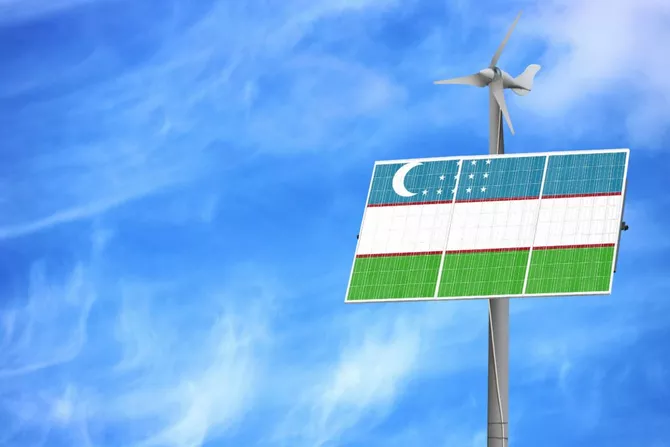
photo: Connective Think
A trilateral memorandum has been signed regarding the transmission of electricity generated from renewable sources across the Caspian toward Azerbaijan and onward to European markets. Moreover, Uzbekistan has launched the first green hydrogen production project in Central Asia. These initiatives underscore the country’s commitment to a low-carbon regional future and to sharing technological and production expertise with C6 partners.
The third segment concerns gas and energy transit. Although Uzbekistan has traditionally been a gas exporter, it currently experiences periodic deficits and imports gas from Russia. This evolving position has provided valuable experience in balancing flows, managing reverse supply mechanisms, engaging in exchange-based trading, and optimizing supply monetization. Such expertise can be applied within the C6 framework to establish a flexible regional energy exchange system in which participants adjust seasonal surpluses and deficits efficiently.
The C6 platform should not be reduced to a purely political construct. The participating states share deep historical, social, and cultural ties. Integration of complementary expertise represents the most effective path toward sustainable development, energy sovereignty, and regional security.
- What concrete opportunities does the C6 format create for industrial cooperation and joint production within regional value chains? How is Uzbekistan’s industrial and agricultural potential positioned in this context?
- The C6 framework generates what may be described as a macro-regional scale effect. Rather than six separate markets, it creates an integrated economic space of over 90 million people, with a combined GDP approaching $500 billion. This scale alone significantly enhances investment attractiveness.
One opportunity lies in machinery and automotive production. Uzbekistan has substantial capacity in automobiles, commercial vehicles, and agricultural machinery manufacturing. Collaboration with component producers in Kazakhstan and assembly facilities in Azerbaijan could establish a closed-cycle production ecosystem within C6. Discussions are already underway concerning the joint localization of auto components, with specialization distributed across participating countries.
Another area is textiles and the light industry. Uzbekistan remains a major cotton producer but is moving beyond a raw-material export model toward deep processing, from yarn to finished garments. Cooperation with design and branding centers in Azerbaijan and Türkiye, as well as facilitated access to European markets, could strengthen regional competitiveness.

photo: Review.Uz
The agro-industrial complex also presents considerable potential. Uzbekistan produces significant volumes of fruits, vegetables, grapes, and livestock products. Historically, logistical constraints and limited processing capacity have reduced value addition. Within C6, agro-logistics hubs on the Caspian and joint processing enterprises incorporating advanced technologies can enable the export of higher value-added goods.
Gas chemistry constitutes a further promising sector. Uzbekistan operates major gas-processing complexes, including Shurtan, Ustyurt, Surkhan, and Kandym, as well as a gas-to-liquids project. These facilities can supply polymers and chemical products to processors in Azerbaijan and other C6 states, fostering integrated industrial ecosystems.
Uzbekistan’s industrial and agricultural capabilities should therefore be understood not as isolated national assets, but as components of a broader regional production platform characterized by skilled labor, developed energy infrastructure, and expanding consumer demand.
- How might the elevation of relations between Azerbaijan and Uzbekistan to the level of an alliance influence institutional deepening within C6, and what new stages are anticipated in the fields of economy, transport, and investment?
- The allied relationship between Tashkent and Baku represents more than diplomatic symbolism; it constitutes a structural pillar of emerging regional architecture.
Trust forms the foundation of integration. Azerbaijan was the first South Caucasus country with which Uzbekistan established relations at this level of strategic confidence. Today, Azerbaijan ranks among Uzbekistan’s leading partners. This bilateral trust creates a reference model for cooperation within C6.
Institutionally, bilateral mechanisms have expanded significantly. In 2024, an agreement on allied relations was signed. Interstate councils, high-level commissions, and sectoral working groups have been established. These mechanisms can serve as templates for broader multilateral institutionalization within C6.
In economic terms, bilateral trade reportedly increased substantially in 2025. The strategic objective, however, is qualitative transformation: shifting from simple trade expansion to joint industrial ventures in electrical engineering, textiles, agro-processing, and other sectors.
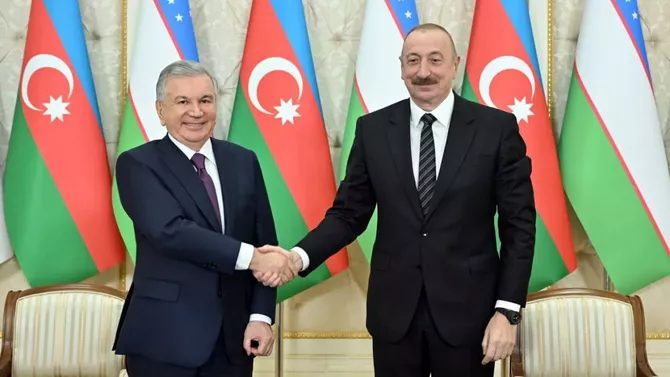
photo: euronews
In transport, synchronizing investments in the Middle Corridor infrastructure is crucial. The capacity of the Baku port is projected to reach 25 million tons of cargo and 500,000 containers annually. Uzbekistan is investing in dry ports and logistics centers aligned with Caspian infrastructure. Coordinated planning strengthens the corridor’s overall efficiency and competitiveness.
In investment, the creation of joint investment funds and project financing mechanisms is under consideration. The next stage involves entering third-country markets with jointly produced goods and co-financed projects, targeting European, American, and potentially Southeast Asian markets with high-value-added products.
The allied partnership between Tashkent and Baku thus functions as a catalyst for integration within C6, generating a gravitational effect that encourages other participants to align with emerging standards of cooperation.
A decisive role is played by the two presidents’ leadership, whose relationship reflects sustained political trust. This trust extends to business communities and expert networks, reinforcing institutionalization at multiple levels.
As an energy sector expert, I am pleased to observe and contribute to these developments. I appreciate the opportunity to share these perspectives and remain ready to continue this dialogue.