The C6 format is shaping a new phase of regional integration between Azerbaijan and the Central Asian countries. The platform establishes a strategic framework to deepen economic cooperation, develop the Middle Corridor, and coordinate energy projects. Joint initiatives, particularly in logistics and green energy, enhance the region’s geo-economic weight. Expanding cooperation in the humanitarian and educational spheres may strengthen the institutional foundations for long-term integration.
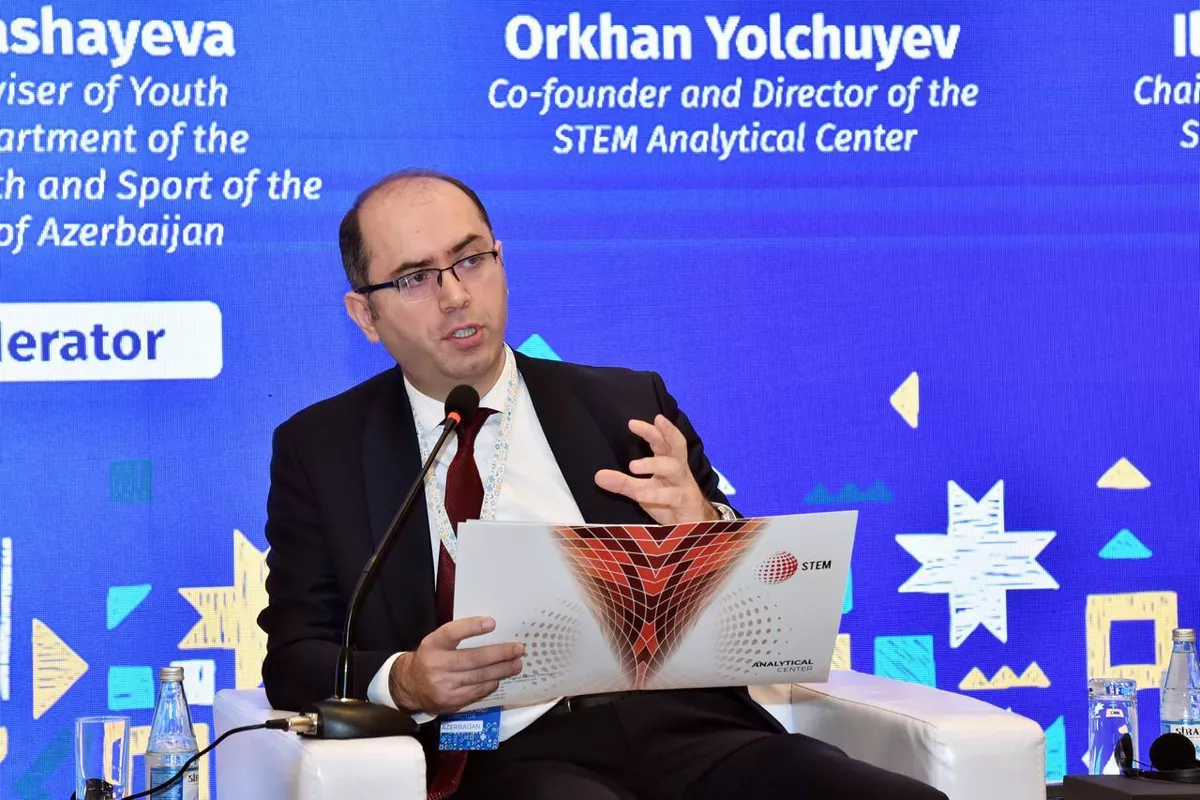
For a deeper analysis of the evolving C6 framework and its strategic implications, The Caspian Post analytical website spoke to Orkhan Yolchuyev, director of the Center for Analysis of Strategic Policy and İnternational Affairs (CASPIA).
- Mr. Yolchuyev, what tangible benefits can the C6 format provide to regional countries in the coming years?
- The C6 format is a natural outcome of the regional transformation processes unfolding in our region and across the broader Eurasian space. The platform brings together nations that share historical, linguistic, cultural, and, to some extent, religious ties within a unified framework of cooperation. As an institutional coordination mechanism between Azerbaijan and the five Central Asian states, it holds considerable potential to deepen integration and expand practical cooperation.
Although C6 has not yet evolved into a fully institutionalized international organization, it already functions effectively as a dialogue platform. Within this framework, countries can develop coordinated strategies based not only on bilateral relations but also on shared interests at the international level. In an increasingly volatile international system, such a platform is essential for strengthening political solidarity and defending common interests.
The countries within the C6 space possess significant economic and geostrategic potential. In particular, their logistical capacity to connect East and West across Eurasia positions the region as a key transit hub in the global trade system. At the same time, the substantial oil and gas reserves of Azerbaijan, Kazakhstan, and Turkmenistan attract the attention of major powers and intensify geopolitical competition across the region.
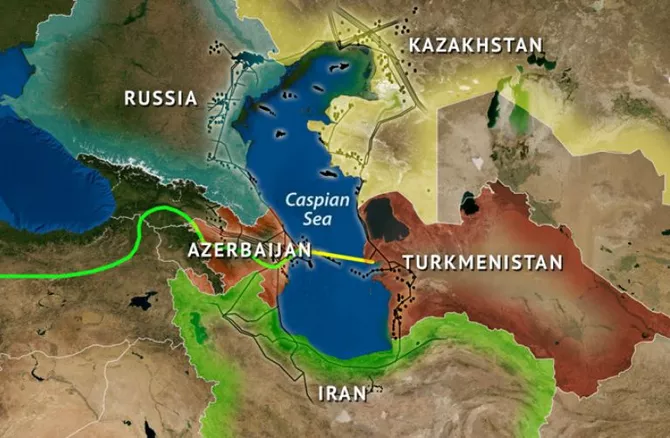
photo: theliberum
Competition among major powers in Central Asia is clearly visible, and a similar dynamic is unfolding in the South Caucasus. Against this backdrop, it is crucial for regional states to coordinate their strategies and respond collectively to external challenges. The C6 platform can serve precisely this purpose.
- What steps should be taken to make cooperation within C6 more practical and results-oriented?
- The foundation of any integration process is economic cooperation. Therefore, priority within the C6 framework should be given to strengthening economic institutionalization. Establishing joint industrial partnerships among member states and improving coordination between the public and private sectors could make cooperation more practical and outcome-driven.
Historical experience demonstrates that the European Union initially emerged from sector-based integration, specifically, the Coal and Steel Community, before evolving into a broader political and economic union. A similar phased approach could be considered within the C6 framework.
Implementing such initiatives within the framework of the Organization of Turkic States may prove more complex due to political and structural differences among its members. By contrast, the C6 format brings together countries with more comparable economic and political systems, increasing the likelihood of achieving concrete results more rapidly.
The humanitarian dimension is also a critical component of integration. Establishing direct partnerships between universities, expanding student exchange programs, and increasing reciprocal quotas could lay the groundwork for long-term strategic integration. Stronger connections among young people would support the gradual development of a more integrated regional labor market.
In the longer term, harmonized or jointly developed educational standards could facilitate labor mobility across the region. Geographic proximity and economic complementarity make such integration both feasible and strategically advantageous.
- Which joint projects could most effectively strengthen regional integration?
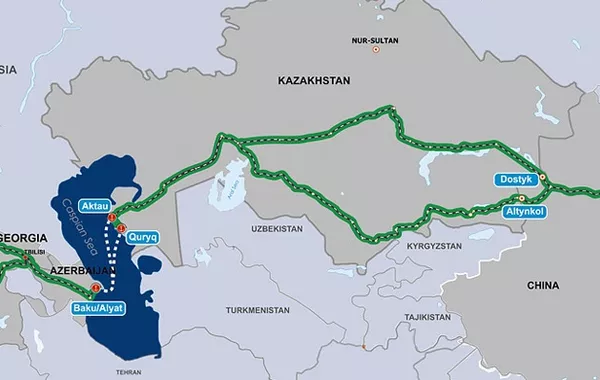
- At present, the two most strategic sectors are logistics and energy. The Middle Corridor project, in particular, represents the principal strategic route linking the countries of the region. By offering a competitive alternative along the East-West trade corridor across Eurasia, it enhances the geo-economic significance of the C6 space.
In the logistics sector, key priorities include digitalization, simplification of customs procedures, reduction of transit times, and coordination of tariff policies. To compete effectively with northern and southern trade routes, the institutional and technological framework of the Middle Corridor must be further strengthened.
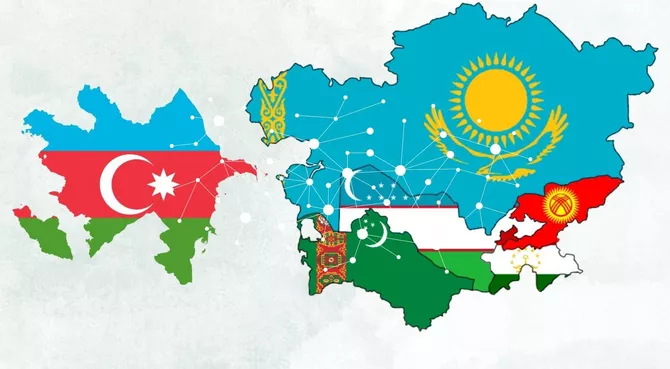
photo: aircenter
Infrastructure development is advancing rapidly in both Azerbaijan and Central Asian countries. The modernization of railway and port infrastructure toward Georgia and Türkiye, along with electrification and expanded transport capacity, is significantly boosting the region’s transit potential.
The energy sector constitutes another pillar of integration. The Green Corridor project, initiated by Azerbaijan, Kazakhstan, and Uzbekistan, seeks to export Central Asia’s renewable energy resources to European markets. If successfully implemented, the initiative could substantially reshape the region’s energy architecture and further deepen strategic cooperation within the C6 framework.
In this sense, logistics and energy projects can serve not only as economic drivers but also as key instruments of geopolitical integration.