Ceasefire in Iran Conflict Faces Uncertainty After Trump Rejects Tehran’s Proposal
Iran and the United States remained deadlocked on Monday over a resolution to the conflict, as their fragile ceasefire showed signs of strain, with recent exchanges of fire, attacks on ships and Gulf states, and renewed clashes between Israel and Hezbollah.
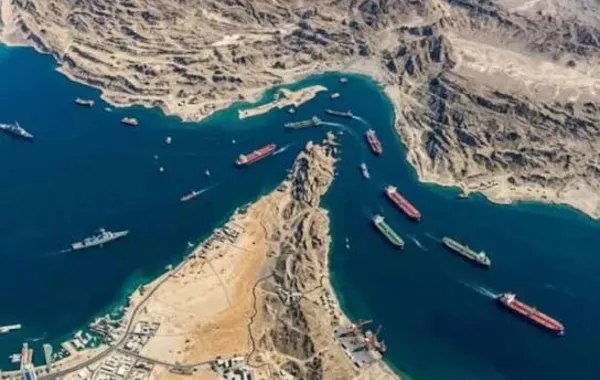
The volatility could tip the Middle East back into open warfare and prolong the worldwide energy crisis sparked by the conflict, with Iran´s chokehold on the Strait of Hormuz and America´s blockade of Iranian ports still in place. U.S. President Donald Trump is expected to use a trip this week to China to urge Chinese President Xi Jinping to pressure Iran into making concessions and end the limbo. Beijing is the biggest buyer of the Islamic Republic´s sanctioned crude oil, giving it leverage.
But getting to any deal likely remains tough work. Iran insists it wants to see the American blockade end and sanctions lifted before beginning negotiations over its stockpile of highly enriched uranium. The U.S. - and Israel - want that material removed since it could be used to eventually build a bomb, should Iran choose to do so. Tehran insists its program is peaceful, but it has enriched uranium beyond the levels needed for civilian power generation.
Trump said Sunday that Iran´s response to his latest proposal was "TOTALLY UNACCEPTABLE!" Ending the U.S. blockade before discussing Iran´s nuclear program would eliminate a major point of leverage.
In the meantime, the standoff over the strait, a key transit point for the world's oil and natural gas exports, has sent fuel prices skyrocketing and rattled world markets.
Israeli Prime Minister Benjamin Netanyahu, who launched the war with Trump on Feb. 28, insisted that the conflict was "not over," telling CBS´ "60 Minutes" in an interview that aired Sunday that a critical goal is getting the nuclear material out of Iran. If that can't be accomplished with negotiations, Netanyahu said that Israel and the U.S. agree "we can reengage them militarily."
Netanyahu also said the current Iranian government's "days are numbered - but it could take a lot of days."
The U.S. and Israel have killed dozens of high-ranking Iranian officials, including the country´s supreme leader in the opening salvos of the war, and the conflict has inflicted heavy damage to Iran´s economy, but its theocracy maintains its grip on power.
Trump quickly rejected a new Iranian proposal sent Sunday to him via Pakistan. In it, Iran demanded war reparations from the U.S., full Iranian sovereignty over the Strait of Hormuz, an end to sanctions and the release of its seized assets abroad, Iranian state television reported.
Iran also called for an immediate end to the war, including the fighting between Israel and Hezbollah - which have repeatedly exchanged fire though technically in a ceasefire. That conflict has seen Israeli strikes in Lebanon, its occupation of Lebanese territory and deadly Hezbollah attacks, including one that killed another Israeli soldier, the Israeli military said Monday.
"We did not demand any concessions - the only thing we demanded was Iran´s legitimate rights," Iranian Foreign Ministry spokesman Esmail Baghaei said Monday. "The American side still insists on its one-sided views and unreasonable demands."
Iran did, however, offer to dilute part of its highly enriched uranium and transport the rest to a third country, and called for 30-day negotiations to finalize details, two regional officials involved in the negotiations told The Associated Press. The officials spoke on condition of anonymity to discuss the sensitive diplomacy taking place.
Russian President Vladimir Putin has offered to take the uranium from Iran.
Russia runs Iran's sole nuclear power plant at Bushehr and also took some of Iran's uranium stockpile in Tehran's 2015 nuclear deal with world powers, which the U.S. later withdrew from under the first Trump administration.
Asked Monday about Putin's comments, Baghaei said: "At the current stage, our focus is on ending the war."
Meanwhile, Iran executed another man it accused of spying for both the CIA and Israel's Mossad intelligence service. Iran's state-run IRNA news agency identified the prisoner as Erfan Shakourzadeh, saying he had worked on satellite communications and relayed classified information to those intelligence services.
Iran has carried out a string of executions since nationwide protests swept the country in January. Activist groups have long accused Iran of carrying out closed-door trials during which defendants are unable to fully defend themselves. Iran's judiciary chief has repeatedly said that Tehran would increase the speed with which it carried out hangings to fight back against its enemies at home and abroad.
See the original article here