Source: Bloomberg
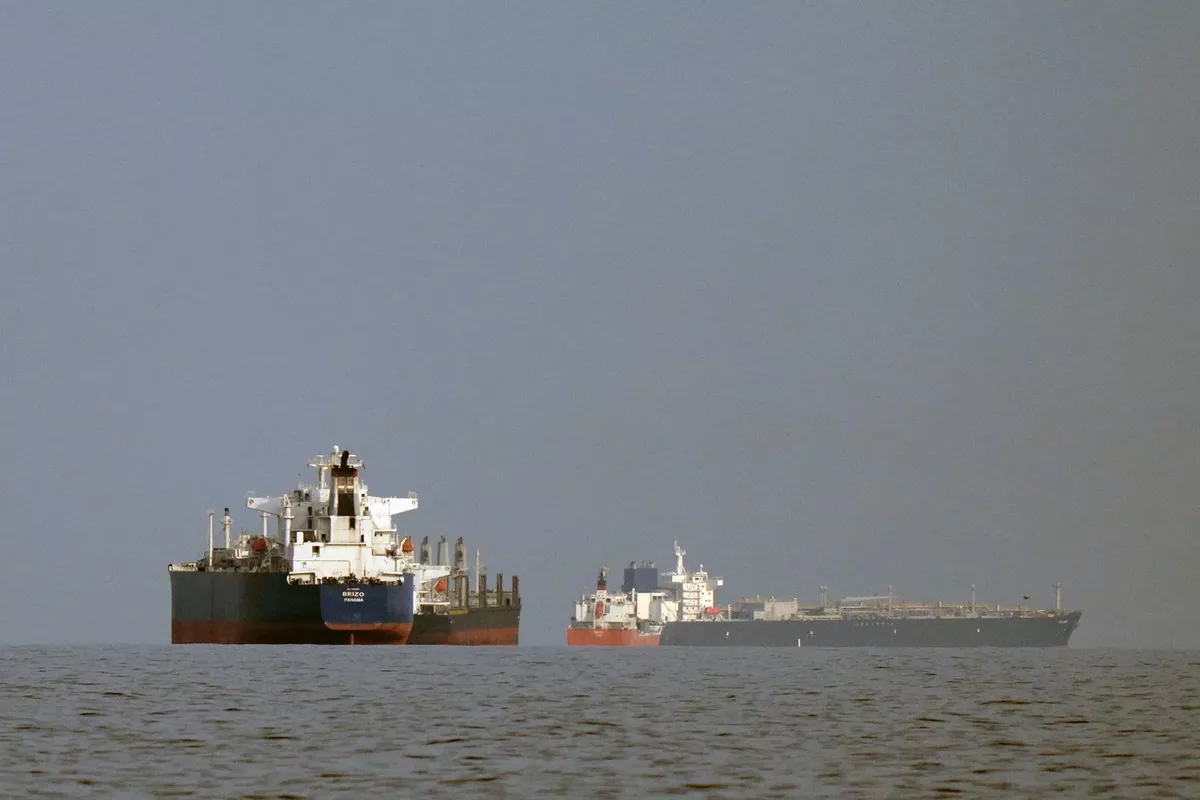
The Strait of Hormuz recorded its highest level of daily commercial ship traffic since Feb. 28, with 70 vessels crossing the waterway on Wednesday, The Caspian Post reports, citing Anadolu Agency.
Before the US-Israel-Iran War began on Feb. 28, an average of 130 ships passed through the strategically significant Strait of Hormuz each day.
Traffic through the strait declined sharply after the conflict started. Ship crossings fell to 78 on the first day of the war and at times dropped as much as 90% below pre-war levels.
On June 14, the US and Iran reached a 14-point agreement aimed at ending the conflict through negotiations. Commercial shipping activity increased markedly after the agreement came into effect on June 18.
According to data compiled from analytics firm Kpler, daily traffic through the Strait of Hormuz reached its highest level since Feb. 28 on June 24, when 70 commercial vessels crossed the vital maritime route.
Ship crossings increased by over 100% on a daily basis.
Supertankers departing mainly from ports in the United Arab Emirates, Saudi Arabia, Iraq, and Iran carrying at least 11 million barrels of crude oil were among the vessels passing through the strait on Wednesday.
The Greek-flagged Prudent Warrior tanker departed from the United Arab Emirates carrying around one million barrels of crude oil and sailed toward Greece.
Greece became one of the first Western countries to receive a post-war shipment as most ships crossing the Strait of Hormuz went to Asian and African countries since the beginning of the war.
Two oil tankers carrying over 1.8 million barrels of dirty petroleum products from the United Arab Emirates and another oil tanker carrying 500,000 barrels of clean petroleum products from Kuwait also crossed the Strait of Hormuz on June 24.
Other ships passing through the strait on Wednesday included vessels carrying dry cargo, LPG, grain, and fertilizer.
The Strait of Hormuz saw nearly 20 million barrels of oil shipments daily before the war, including 15 million barrels of crude oil and five million barrels of petroleum products.
Share on social media