photo: primeminister.kz
Kazakhstan is ramping up its coal-based energy capacity as part of a sweeping strategy to secure its power future through 2030.
The government has approved a national project aimed at expanding coal generation, positioning it as a cornerstone of the country’s energy security amid rising demand driven by industrial growth and the digital economy, The Caspian Post reports via the prime minister's website.
Officials say the initiative is designed to address a growing shortage of baseload capacity, as sectors like IT, artificial intelligence, and data centers require stable, uninterrupted electricity-something renewable energy alone cannot yet provide.
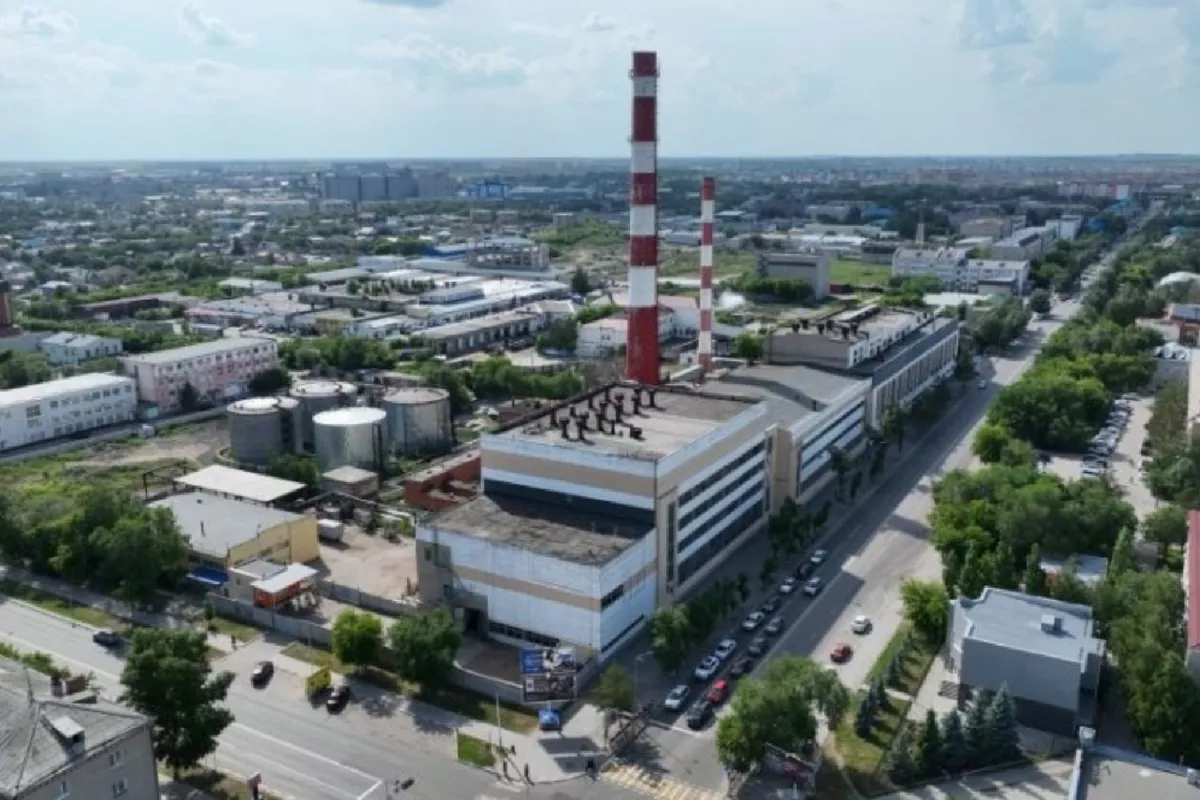
Backed by at least 7.5 trillion tenge (around $15.5 billion) in investment, the plan includes the construction of eight new power plants and the modernization of 11 existing facilities, adding a total of 7.8 GW in capacity. The upgrades are expected to reduce infrastructure wear and tear by 12.6%.
By 2030, demand for energy coal is projected to increase by approximately 20 million tons annually, reflecting the scale of the country’s energy ambitions.
Authorities emphasize that the project will not only strengthen Kazakhstan’s energy independence but also boost domestic industries, particularly machinery manufacturing. The initiative is expected to drive production of key equipment such as boilers, transformers, and automation systems.
Framed as a high-tech and environmentally responsible evolution of coal power, the strategy aims to provide a stable foundation for long-term economic growth while adapting to the demands of a rapidly modernizing economy.
Share on social media