Kazakhstan Looks to Shenzhen’s Success as Blueprint for Ambitious Alatau Megacity
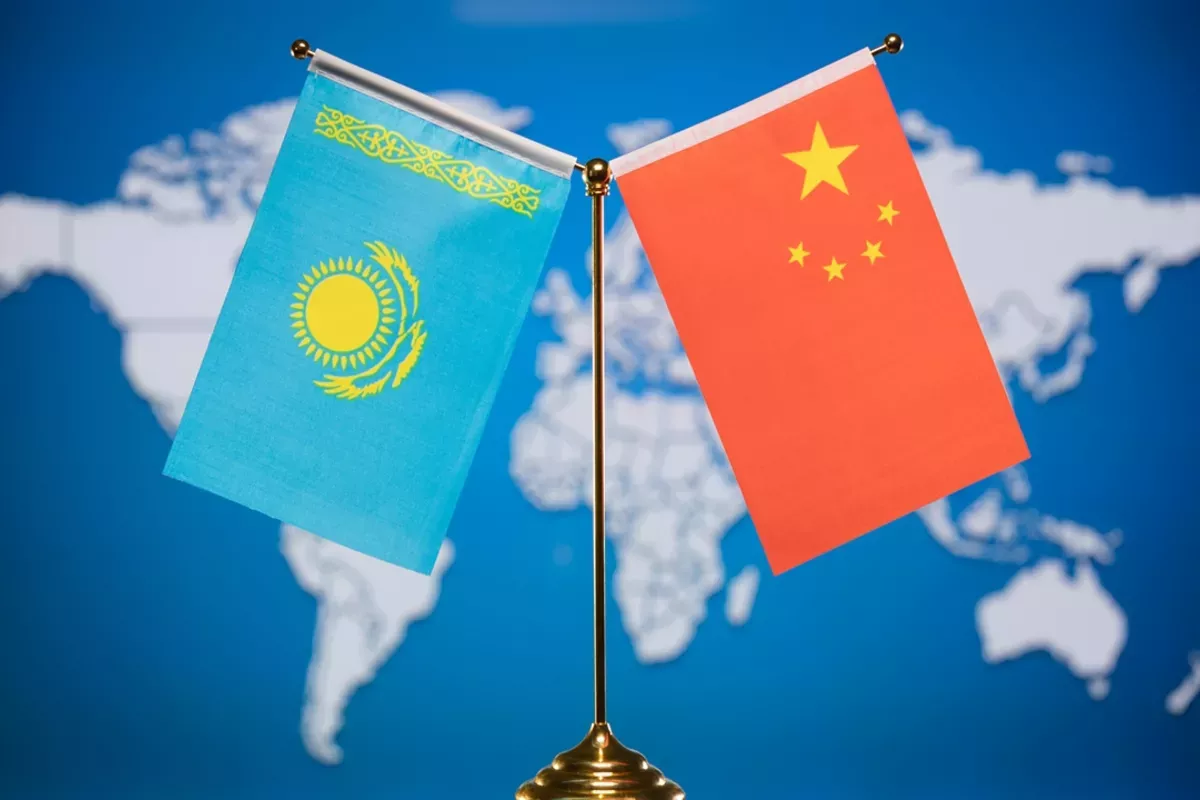
Kazakhstan is turning to one of the world’s greatest urban success stories as it builds its newest city from the ground up. During a visit to China, Deputy Prime Minister Kanat Bozumbayev met with Qin Weizhong to explore how the experience of Shenzhen can help shape the future of Alatau City.
The talks focused on attracting high-tech investment, developing smart-city infrastructure, and applying advanced urban governance models as Kazakhstan pushes forward with one of the most ambitious development projects in Central Asia, The Caspian Post reports via Kazinform.
Drawing comparisons between the economic powerhouses of Kazakhstan and China, Bozumbayev outlined a bold vision for the country's newest city.
“Astana is our Beijing, the political center of the country. Almaty is our equivalent of Shanghai. Alatau is Kazakhstan’s Shenzhen - a city designed to attract global talent, investment, innovation, and advanced technologies,” he said.
The comparison reflects Kazakhstan’s ambitions to transform Alatau into a world-class innovation hub, similar to how Shenzhen evolved from a small fishing village into a global center for technology and manufacturing.
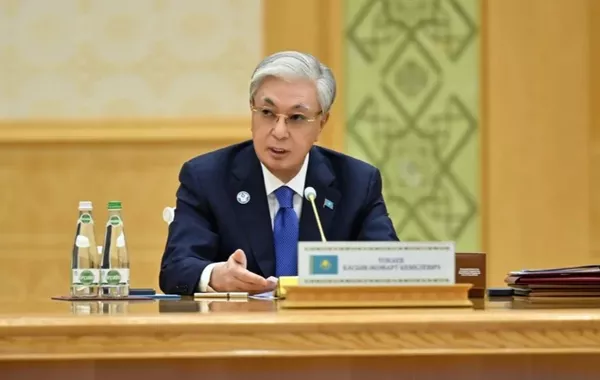
Bozumbayev noted that President Kassym-Jomart Tokayev recently signed a constitutional law establishing a special legal regime for Alatau City.
The legislation creates a dedicated framework aimed at boosting investment, accelerating development, and fostering innovation. Officials said international models-including Shenzhen’s experience-were studied while drafting the law.
Kazakhstan and Shenzhen identified four major areas for future collaboration:
Transport and logistics: Located just 180 kilometers from the Kazakhstan-China border, Alatau is expected to become a major Silk Road logistics hub. A planned third railway border crossing between the two countries could significantly increase cargo traffic and e-commerce connectivity.
Digital economy and AI: Kazakhstan invited Shenzhen’s leading technology firms to establish innovation centers, research facilities, and artificial intelligence projects in Alatau.
Green energy: Shenzhen’s success in sustainable urban development and electric vehicle adoption could help Alatau build a modern, low-carbon city powered by Kazakhstan’s vast renewable energy resources.
Trade and investment: Bilateral trade between Kazakhstan and China reached a record $48.7 billion in 2025, with growth continuing this year. Officials believe there is significant room for further expansion, particularly with businesses from Guangdong Province and Shenzhen.
Mayor Qin Weizhong expressed strong support for the Alatau project, highlighting Shenzhen’s experience in economic development, innovation, foreign trade, and industrial production.
Kazakh officials stressed that the country is looking beyond investment alone and seeks long-term strategic partners willing to help create a next-generation smart city in the heart of Central Asia.
The meeting concluded with both sides agreeing to establish permanent channels for knowledge exchange and stronger cooperation between Shenzhen’s business community and the administration of Alatau City.
With strong political backing, a dedicated legal framework, and growing international interest, Alatau City is positioning itself as Kazakhstan’s next major economic engine-and potentially Central Asia’s newest technology hub.