In Recent Days, Social Media Platforms And Messaging Channels Have Circulated Claims That, Within A Short Period, As Many As 16 Chinese Military Transport Aircraft Allegedly Landed In Tehran Carrying Military-Related Cargo.
These reports are accompanied by assertions of the creation of an emergency “air bridge” between China and Iran and the launch of large-scale deliveries of high-technology equipment intended to strengthen the Islamic Republic’s defenses. There has been no official confirmation of this information so far.
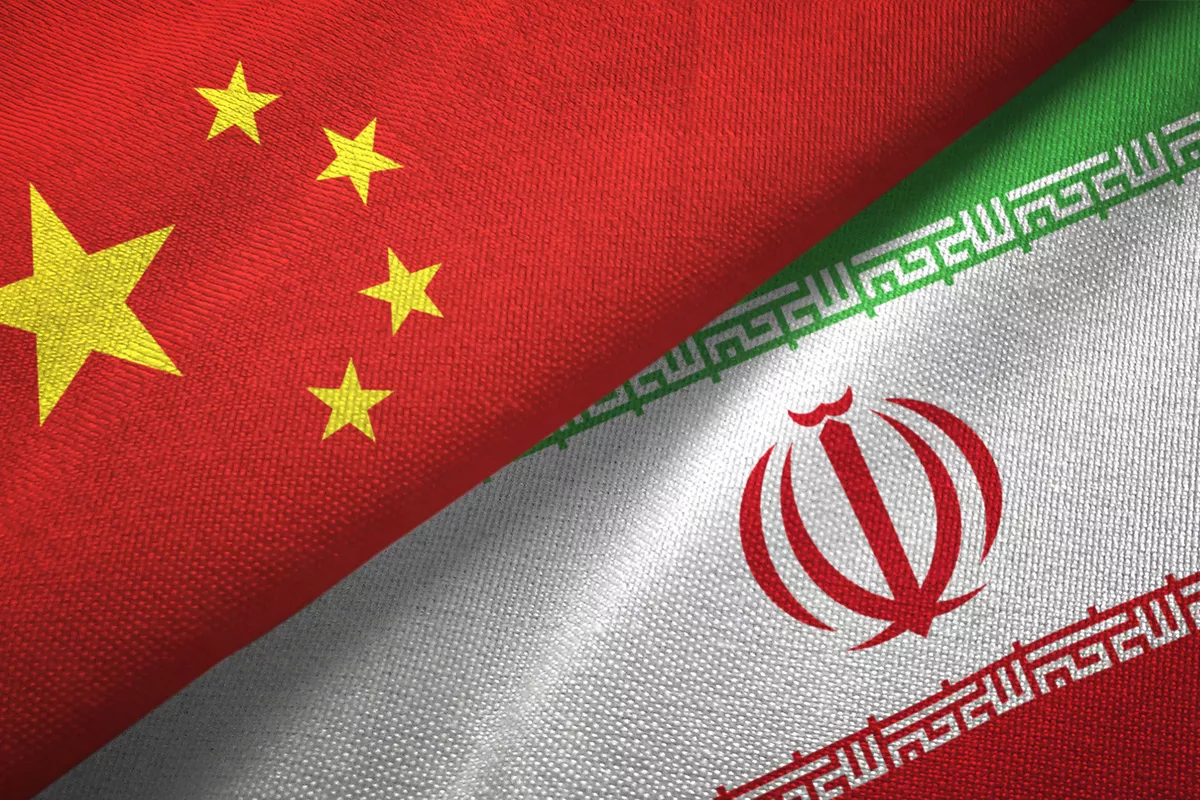
Nevertheless, the very emergence of such narratives is revealing: in public perception, China is increasingly seen as Iran’s key external partner, capable of providing support at critical moments.
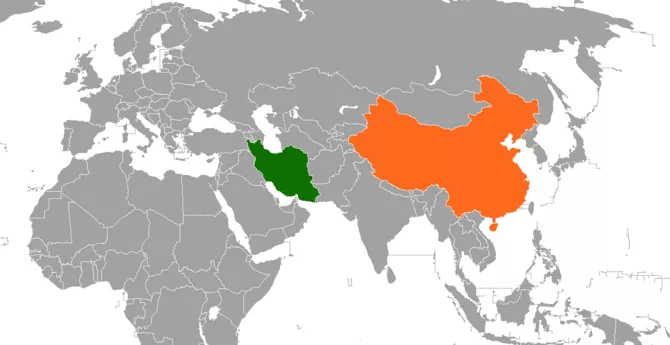
Photo credit: Wikipedia
Such claims appear plausible to a broad audience largely because they rest on a foundation of real historical experience. For several decades, China has been one of the few major powers willing to maintain stable relations with Iran despite sanctions and political isolation. This cooperation has never taken the form of a formal military alliance, but it has consistently developed through military-technical contacts, economic interaction, and diplomatic backing.
After the 1979 Islamic Revolution, Iran found itself in an extremely difficult position. Western countries largely terminated military-technical cooperation, and access to modern technologies was sharply curtailed. In this context, Beijing became an important alternative partner for Tehran. During the 1980s and 1990s, China supplied Iran with various types of conventional weapons, including anti-ship missiles, artillery systems, armored vehicles, small arms, and components for aviation. These deliveries did not mean that Iran fell under China’s military patronage, but they allowed Tehran to maintain a basic level of combat readiness and partially offset the shortage of external supplies.
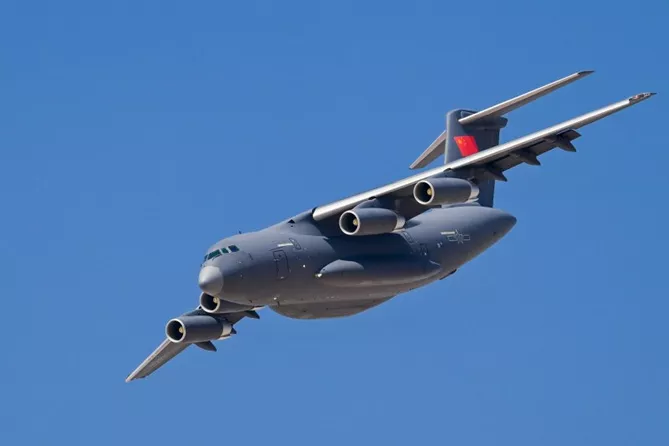
Photo credit: XInhua
One of the most sensitive areas of interaction involved dual-use technologies and missile programs. For many years, Western governments have accused certain Chinese companies of assisting Iran’s missile development through the provision of equipment, materials, and technical documentation. Beijing has officially denied violating international obligations and has emphasized its commitment to nonproliferation regimes.
At the same time, a number of analytical reports have suggested that Chinese entities played a role in the development of Iran’s solid-fuel engine technologies, guidance systems, and production lines. This, in turn, contributed to Iran’s gradual increase in self-sufficiency in a strategically vital field.
Economic support has been no less important. As sanctions pressure intensified, China steadily consolidated its position as one of the largest buyers of Iranian oil. Even during periods of the strictest restrictions, Beijing continued to import Iranian crude, often using indirect trading schemes, settlements in national currencies, or intermediaries. For Tehran, this was critically important, as it ensured a flow of export revenues and reduced the risk of complete economic isolation.
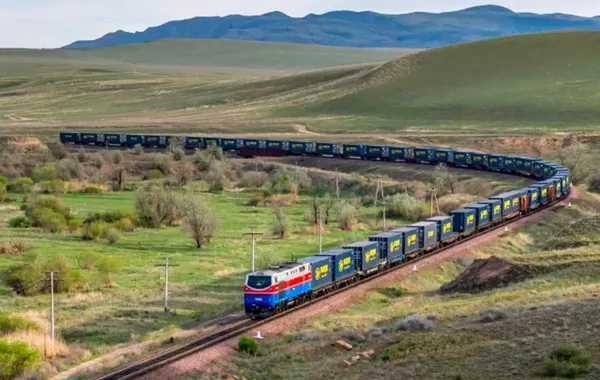
In parallel, Chinese companies have been involved in developing Iran’s infrastructure. This has included railway construction, port modernization, and projects in the energy, telecommunications, and industrial sectors. Many of these initiatives have been viewed as elements of China’s broader strategy to expand its presence across Eurasia and strengthen transport corridors linking East Asia with the Middle East and Europe.
In 2021, cooperation between Beijing and Tehran was institutionalized through a 25-year comprehensive partnership agreement. Although much of its content remains undisclosed, it is known to envisage long-term interaction in energy, transport, technology, industry, and potentially security. The signing of such an agreement sent a clear signal that China regards Iran as a stable strategic partner rather than a temporary tactical asset.
Diplomatic backing from Beijing is another key pillar of this relationship. China consistently opposes unilateral sanctions not approved by the UN Security Council and insists on a political and diplomatic solution to the Iranian nuclear issue. Together with Russia, Beijing played a central role in shaping the Joint Comprehensive Plan of Action and has repeatedly criticized the U.S. withdrawal from the deal as a step that undermined trust and regional stability.
In a broader context, support for Iran fits into China’s strategy of constraining American dominance. Beijing does not seek a direct military presence in the Middle East, but it is interested in preserving a balance of power in which no single state gains complete control over the region. Within this logic, Iran functions as an important element of deterrence vis-à-vis the United States and its allies.
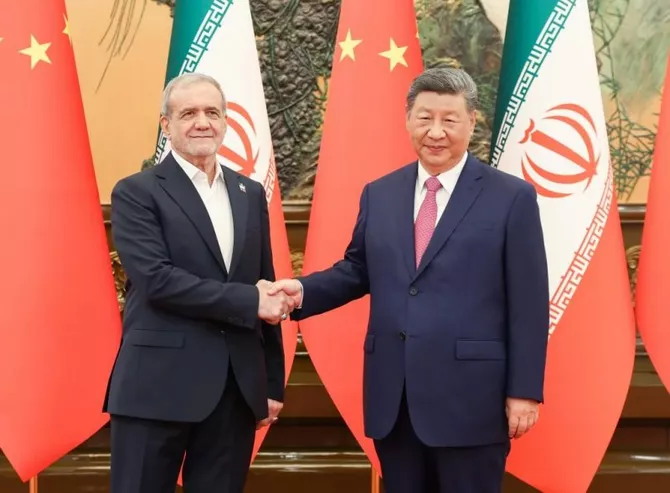
Photo credit: Xinhua
From China’s perspective, Iran’s stability also has a clear pragmatic dimension. The Middle East remains one of the main sources of energy for the Chinese economy, and Beijing has a vested interest in ensuring that oil and gas supply routes are not fully controlled by any one actor. Moreover, Iran occupies a strategic position at the crossroads of transport corridors linking China with the Middle East, South Asia, and Europe.
This is why even unconfirmed reports about a possible intensification of Chinese assistance to Iran generate such a strong response. They fit into an already established image of Beijing as a player willing to support Tehran during periods of heightened tension.
Ultimately, the history of China-Iran relations demonstrates not abrupt shifts, but a consistent long-term line. China traditionally prefers to act gradually, avoiding loud gestures while building sustainable channels of influence. Support for Iran is one element of this broader approach.
Thus, regardless of the credibility of specific claims about “16 aircraft,” past experience clearly shows that China has repeatedly provided Iran with assistance in various forms and will likely seek to maintain this course in the future. For Beijing, this is a way to safeguard its own interests, strengthen its position in a key region, and contribute to the emergence of a more multipolar world order.