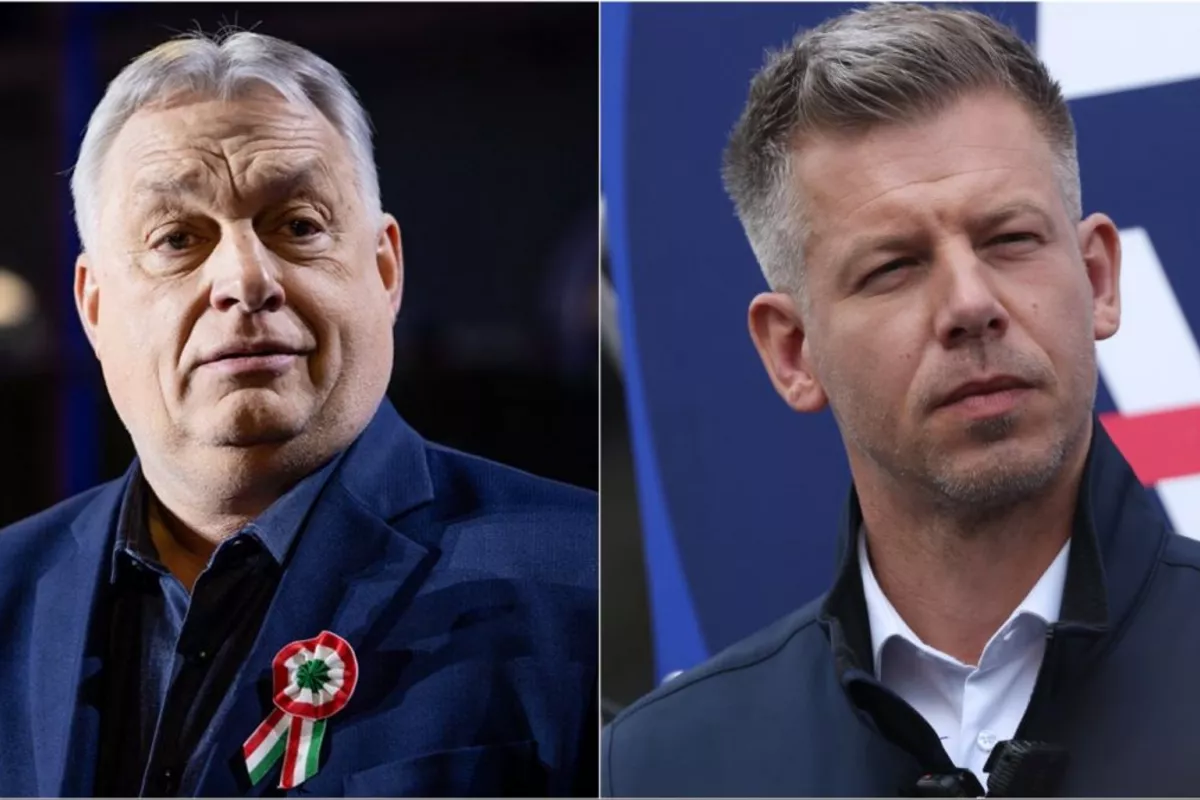
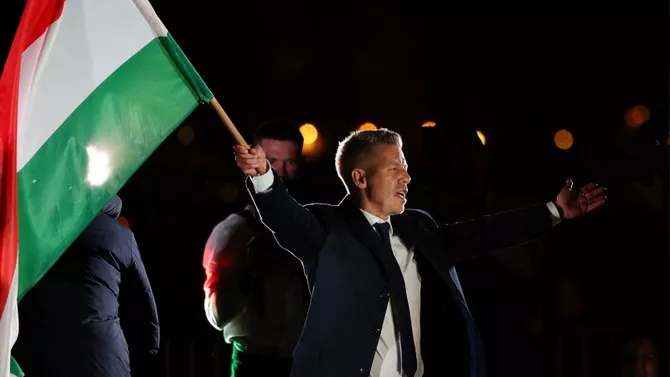
The parliamentary elections in Hungary on April 12, 2026, have already entered the country’s political history. The opposition Tisza Party, led by Péter Magyar, achieved a landslide victory, securing 138 of 199 seats, while Viktor Orbán’s Fidesz won 55 seats, and Mi Hazánk obtained six.
This outcome grants Magyar a constitutional majority and, consequently, the ability to revise the laws and institutional frameworks that were formed during the 16 years of the Orbán era. The victory was also accompanied by a record voter turnout for post-communist Hungary, and Viktor Orbán himself conceded defeat.
However, the key point is not the temptation to adopt a simplistic narrative such as “the old has fallen, the new has arrived.” Hungary is too politically complex for such an oversimplified interpretation. Likewise, Viktor Orbán is far too significant a figure to reduce his political legacy to a single label or stereotype.
During Orbán’s years in power, Budapest consistently developed a model of statehood based on national sovereignty, a cautious stance toward Brussels-driven centralization, protection of the domestic market, emphasis on traditional values, and a highly pragmatic foreign policy. It was under Orbán’s leadership that Hungary repaid its IMF debt, restored its investment-grade status, strengthened the position of national capital in strategic sectors, and elevated family policy and demographic incentives into key elements of state ideology. At the same time, this model attracted strong criticism due to the concentration of power, recurring conflicts with Brussels, pressure on media freedom, and the weakening of checks and balances within the political system.
Source: Al Jazeera
This is precisely the central thread of Orbán’s political identity and governance style: he was never a politician of mere dependency. He was frequently described as “pro-Russian,” but such a characterization is more suitable for political slogans than for serious analytical assessment.
It is often overlooked that Orbán was among the first European leaders to condemn Russia’s war against Ukraine. He criticized, but ultimately supported, EU sanctions, and consistently opposed a full ban on Russian energy imports, arguing that such a move would severely damage Hungary’s domestic economy. In other words, his position was not driven by any simplistic “pro-Kremlin” alignment, but by a strict interpretation of energy security and a desire to avoid a socio-economic shock within Hungary. This does not change the fact that Orbán was widely perceived in Europe as one of the most difficult partners on the Ukraine issue, but it does help explain why Budapest framed its policies as the defense of national interest rather than external alignment or geopolitical submission.
Against this background emerges the paradox of the Hungarian elections: Magyar came to power as a symbol of change, yet he is not a mirror image of Orbán. He also operates within a right-leaning, conservative, and patriotic framework, but proposes a less confrontational and more EU-compatible version of the same national course.
Following his victory, the Tisza leader declared his intention to restore relations with the European Union, unlock frozen EU funds, implement anti-corruption reforms, and return Hungary to a more predictable and cooperative mode of engagement with Brussels and NATO. At the same time, he does not present himself as a politician of radical ideological rupture: on Ukraine, he adopts a more moderate and flexible position, but does not promise abrupt or revolutionary shifts.
It is particularly noteworthy that Magyar also uses a pragmatic language in the energy sector.
In an interview with RFE/RL in autumn 2025, he stressed that Hungary does not intend to abandon Russian energy “tomorrow,” but instead aims to diversify its sources by 2035. However, he also explicitly noted that this does not necessarily imply a complete halt to Russian imports if they remain cheaper and more secure. After his electoral victory, Magyar further indicated that he does not intend to sever channels of communication with Moscow: he is prepared to discuss both the possibility of ending the war and renegotiating energy contracts if circumstances require it. In other words, Hungary is likely to change its style rather than abandon its principle of pragmatism.
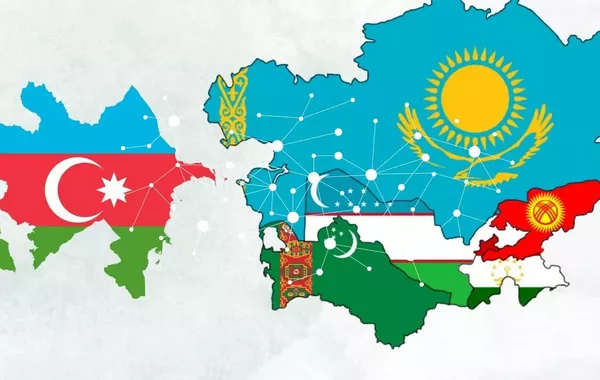
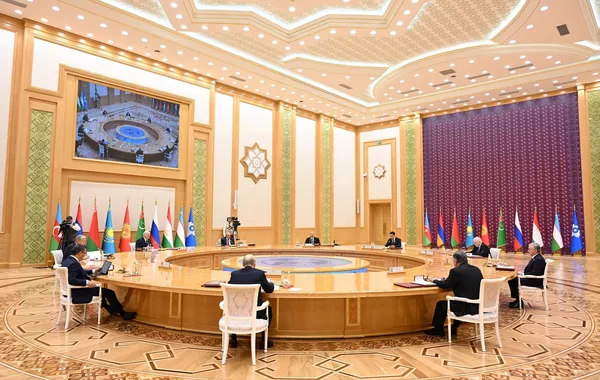
Against this backdrop, it is especially important not to overlook another strategically significant direction for Budapest in recent years: the Turkic vector. Hungary has held observer status in the Organization of Turkic States (OTS) since 2018, and in May 2025 Budapest hosted an informal OTS summit - the first time such a meeting was held in the territory of an observer state. Moreover, the OTS maintains a representative office in Budapest, and Viktor Orbán himself repeatedly emphasized the importance of this dimension in Hungarian diplomacy. For Hungary, engagement with the Turkic world represents a combination of political positioning, logistical diversification, energy cooperation, and expanded diplomatic maneuverability.
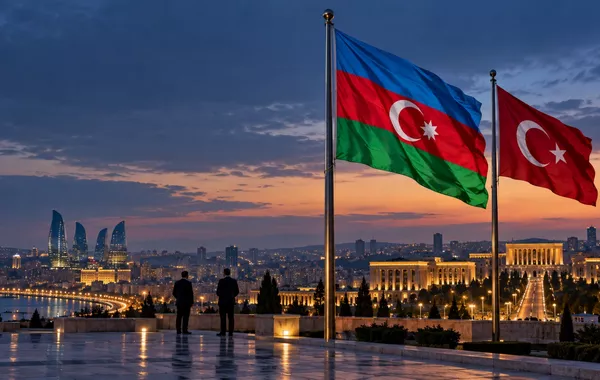
This orientation became especially visible in relations with Azerbaijan. In May 2025 in Budapest, President Ilham Aliyev and Viktor Orbán reaffirmed the friendship and strategic partnership between the two countries. The Azerbaijani side emphasized regular high-level contacts, mutual support within international organizations, and aligned approaches to sovereign foreign policy. For his part, Orbán openly described Azerbaijan as a reliable friend of Hungary in difficult times, including in matters of energy security. In this sense, the Azerbaijani-Hungarian partnership rests on a concrete geopolitical and economic foundation rather than symbolic diplomacy.
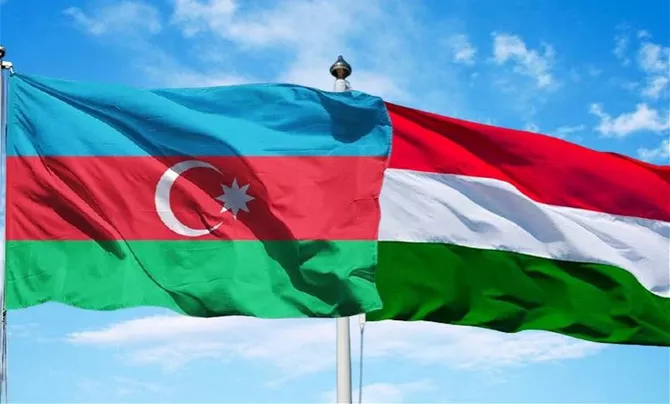
Source: Shutterstock
The central question now is whether Hungary will maintain this trajectory. At present, there are no clear signals suggesting any intention to reduce Hungary’s involvement in the Organization of Turkic States or to downgrade relations with Azerbaijan. On the contrary, if one looks at the factual record rather than pre-election speculation, it becomes evident that the Turkic direction has already been institutionalized, and the Azerbaijani channel plays an important role for Budapest in terms of foreign policy autonomy, energy diversification, and broader diplomatic space.
Therefore, the most realistic conclusion is that Magyar is likely to pursue a course that makes Hungary more predictable and compatible with EU expectations, while avoiding the abandonment of foreign policy pillars that strengthened the country’s international position under Orbán. This assessment, still preliminary, is encouraging in that it is grounded in the institutional realities of recent years rather than speculative political projections.
This, perhaps, is the most accurate picture of Hungary’s new political stage. Orbán departs as a leader under whom Hungary pursued a stubborn, sometimes contentious, but independent foreign policy, balancing between East and West, between Brussels and its own interpretation of national interest. Magyar emerges as a figure who may seek to correct the most controversial aspects of Orbán’s legacy without dismantling its pragmatic foundation.
If he succeeds in combining a pro-European approach with the preservation of ties to the Turkic world, the Organization of Turkic States, and Azerbaijan, then Hungary will not so much change direction as fine-tune its course, while continuing to safeguard its sovereignty in foreign policy.