More than three decades after the collapse of the Soviet Union, Central Asia remains a region defined by a striking paradox. It possesses abundant natural resources, a strategically advantageous geographic position, and growing geopolitical relevance, yet continues to suffer from weak institutional cohesion.
Unlike Southeast Asia, the Gulf states, or even parts of Africa, Central Asia has never succeeded in establishing a durable regional bloc composed exclusively of states from within the region itself. Cooperation frameworks do exist, but they are almost always shaped under the auspices of external centers of power, with agendas set in Moscow, Beijing, or within broader multilateral groupings whose priorities only partially align with regional interests.
It is against this backdrop that a new concept has emerged in Washington, reflecting a growing recognition that Central Asia’s long-term stability and economic development cannot be sustained without deeper internal coordination. The initiative, developed by the New Lines Institute for Strategy and Policy, is known as Silk Seven Plus (S7+). It proposes the gradual formation of a trade-oriented economic grouping that could, over time, link the Caspian Basin with the shores of the Arabian Sea.
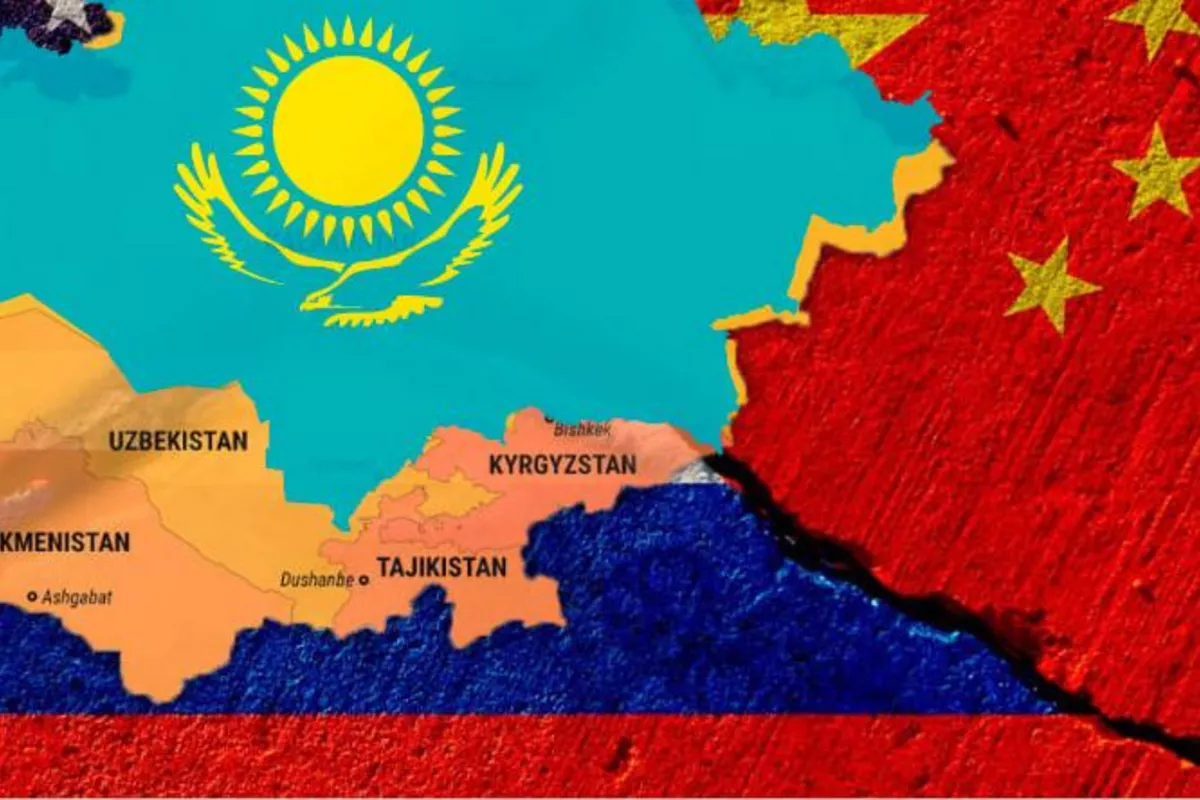
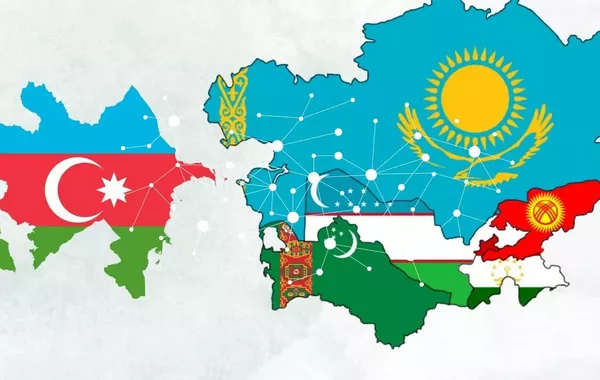
In its core configuration, S7+ envisions bringing together the five Central Asian republics - Kazakhstan, Uzbekistan, Turkmenistan, Kyrgyzstan, and Tajikistan - alongside Azerbaijan, with Afghanistan and Pakistan integrated at later stages. As a model for this evolutionary process, the authors frequently point to the Association of Southeast Asian Nations, which began as a limited political dialogue during the Cold War and gradually evolved into one of the most flexible and resilient regional frameworks in the world.
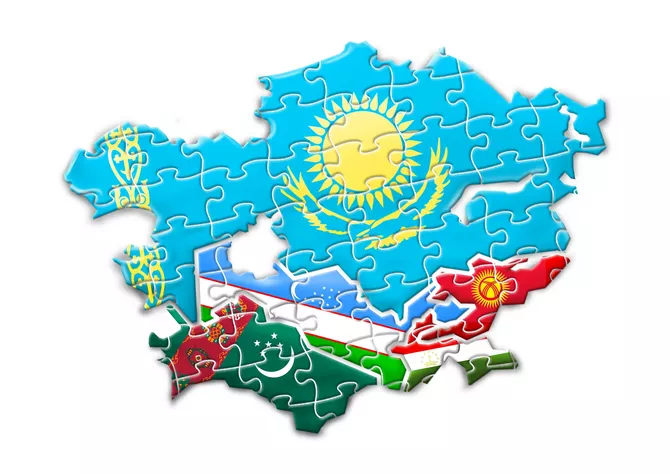
photo: Astana Times
The significance of the S7+ concept lies not so much in its ambition as in its underlying logic. Today, Central Asian states participate in a wide range of multilateral structures, from the Eurasian Economic Union to BRICS and the Shanghai Cooperation Organization. Yet in nearly all of these formats, strategic priorities are shaped outside the region. As a result, Central Asia finds itself formally integrated but substantively constrained, adapting to external agendas rather than articulating a collective regional strategy of its own.
S7+ offers an alternative approach. It prioritizes the gradual construction of regional coordination from within, grounded in economics and trade rather than ideology or security. The focus is on practical issues that have long hindered regional development: lowering trade barriers, improving transport connectivity, harmonizing energy and water management systems, advancing digitalization, launching joint projects in artificial intelligence, and investing in education and workforce training. These challenges are widely acknowledged across the region but have so far been addressed only in a fragmented and largely bilateral manner.
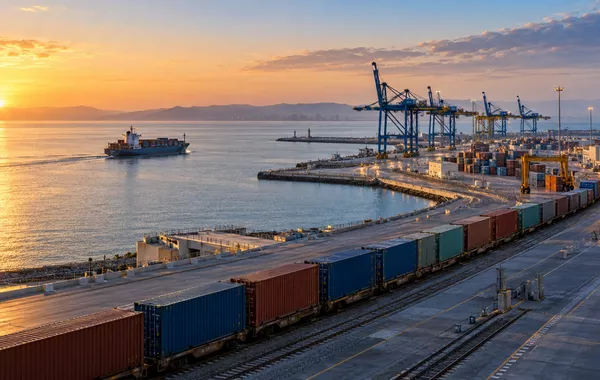
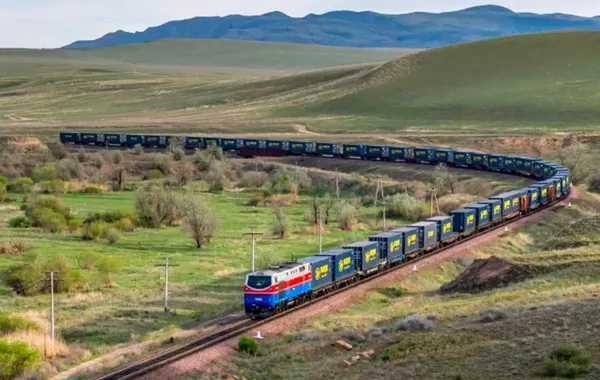
Geography represents both the region’s principal constraint and its primary motivation for integration. Central Asia is the only major region in the world where every state is landlocked. This structural reality has for decades reinforced dependence on transit routes controlled by external actors and limited access to global markets. Exports have traditionally flowed northward through Russia or eastward toward China, leaving few viable alternatives.
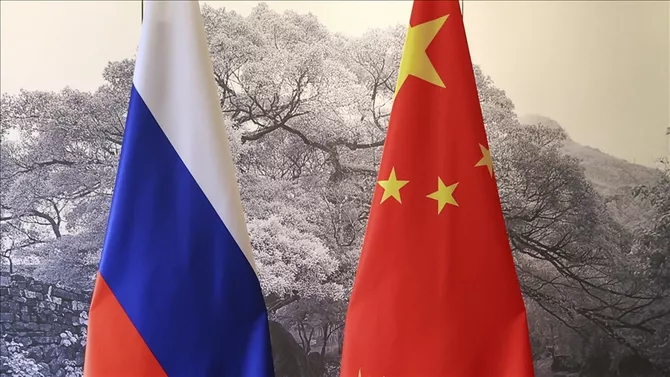
photo: Reuters
The S7+ framework seeks to rethink this geographic predicament. Access to seaports is treated as a critical prerequisite for expanding exports not only of raw materials, but also of higher value-added goods, advanced technologies, and critical minerals, demand for which is rapidly growing in the United States, the European Union, Japan, and other advanced economies. Without reliable maritime access, Central Asia risks remaining a peripheral supplier rather than a full participant in global value chains.
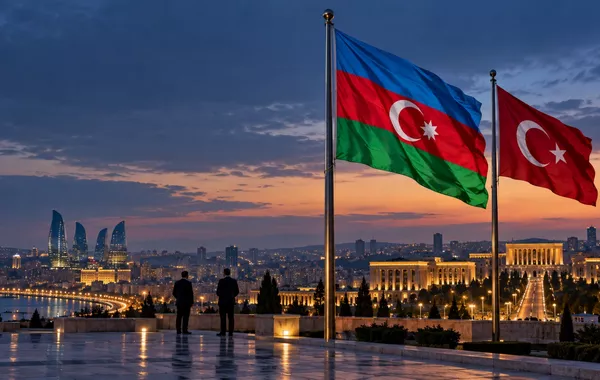
Within this logic, Azerbaijan assumes a pivotal role. Situated on the western shore of the Caspian Sea, Azerbaijan effectively connects Central Asia with the South Caucasus, Europe, and the Mediterranean basin. In recent years, Baku has made sustained investments in transport and logistics infrastructure, strengthening the Middle Corridor as a credible alternative to traditional routes. In the context of S7+, Azerbaijan is not merely a transit state, but an external anchor that enables Central Asia to diversify its economic geography without falling into a new form of one-sided dependence.
As discussions around S7+ progress, however, the question of how key external actors will respond becomes unavoidable, particularly Russia and China, both of which have shaped the region’s economic and institutional architecture for decades. While the initiative lacks overtly confrontational rhetoric, its underlying logic inevitably intersects with their strategic interests.
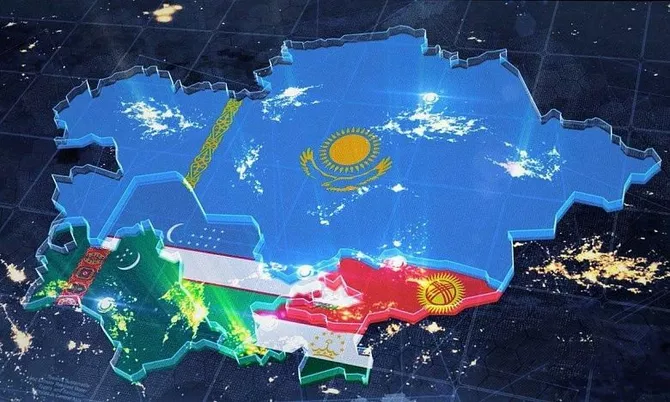
photo: Astana Times
For Russia, the potential implementation of S7+ implies a gradual reduction in the importance of northern transit routes and a relative weakening of integration formats in which Moscow traditionally plays a central role. In the short term, Russia’s response is likely to remain cautious. S7+ may be publicly treated as an expert-level concept with no immediate practical consequences. Yet as the initiative moves closer to concrete coordination mechanisms, Moscow’s unease may grow, as the very principle of a Central Asian economic bloc operating without Russia represents a departure from the established regional order.
China approaches S7+ from a more pragmatic perspective. Central Asia is a core component of Beijing’s Belt and Road Initiative, a major source of energy and raw materials, and a critical overland corridor toward Europe. Any effort that diversifies trade routes or reduces the exclusivity of Chinese economic influence introduces an element of uncertainty.
At the same time, Beijing is unlikely to respond confrontationally. If S7+ remains a trade- and economy-focused framework rather than a political platform aligned with Western strategic objectives, China may seek to adapt by reinforcing bilateral investments and infrastructure projects with individual member states.
Crucially, neither Russia nor China has an interest in destabilizing Central Asia. Their likely response will be corrective rather than disruptive - strengthening existing initiatives, offering alternative economic incentives, and seeking to preserve influence through established channels. In this sense, S7+ does not represent a source of direct confrontation, but rather an additional layer in the growing competition between different models of regional integration.
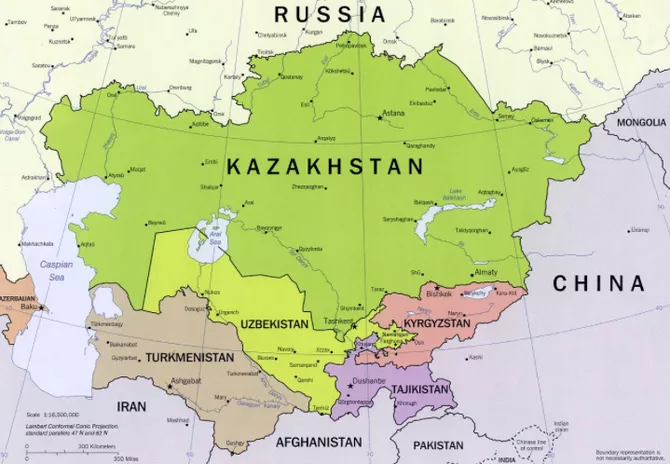
photo: Astana Times
The inclusion of Afghanistan and Pakistan adds another dimension to the initiative. S7+ is premised on the view that long-term regional stability cannot be achieved without some degree of economic integration involving these countries. Afghanistan has for decades been viewed almost exclusively through a security lens, yet the initiative’s authors argue that trade integration could generate a “peace dividend” by addressing the structural roots of poverty, radicalization, and violence. At the same time, they acknowledge serious obstacles, including Taliban rule and deep-seated distrust between Afghanistan, Central Asian states, and Pakistan.
Pakistan, in turn, is envisioned as a strategic extension of the project, offering Central Asia access to the Arabian Sea and reducing dependence on northern and eastern corridors. While the realization of this scenario remains uncertain, the very framing of the issue reflects a shift toward viewing Central Asia not as a closed, landlocked space, but as an integral part of a broader Eurasian and South Asian connectivity network.
Ultimately, the importance of S7+ lies less in its immediate feasibility than in the signal it sends. Central Asia is gradually moving away from passive adaptation to external agendas and toward the search for its own integration model, grounded in trade, economic pragmatism, and strategic balance. In a world increasingly shaped by economic blocs and transport corridors, this shift may prove far more consequential than any single infrastructure project.