Europe today faces a strategic dilemma it has tried to avoid for years: how to diversify away from vulnerable, politically exposed transport and energy routes without creating new dependencies or falling into geopolitical traps. Rapid shifts in global trade, the weaponisation of supply chains, and the return of hard security competition are forcing the continent to rethink the very architecture of its connectivity.
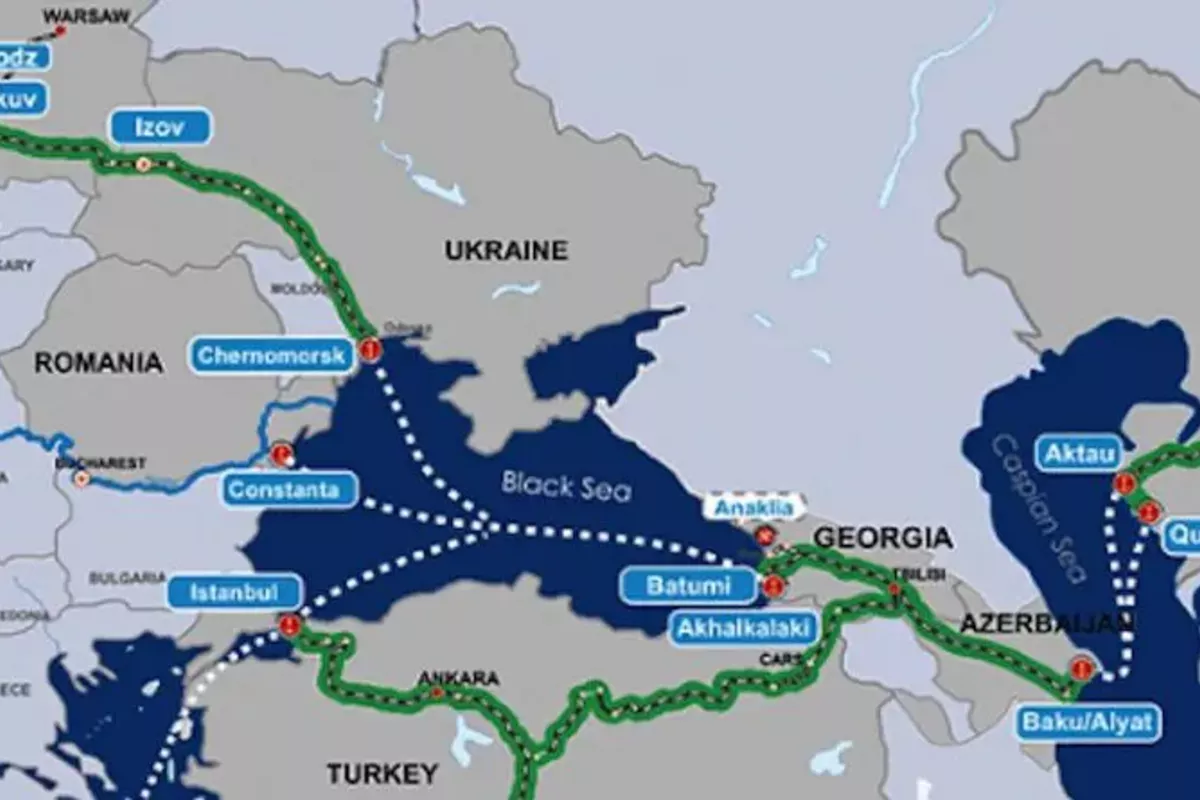
In this context, the Middle Corridor - Trans-Caspian international transport route - is no longer a secondary or experimental path. It is becoming one of the most strategically important links between Europe and Asia, and arguably the only corridor whose geopolitical logic aligns with Europe’s current needs.
What makes the Middle Corridor increasingly vital is its balanced and resilient structure. Unlike routes dominated by single powers, this corridor runs through a constellation of stable, mutually reinforcing partners across the South Caucasus and Central Asia. Azerbaijan sits at the centre of this network, acting both as a logistical hub and as a political stabiliser that ensures uninterrupted flows of goods, energy, and digital connectivity. At a time when Europe seeks reliable access to diversified markets, raw materials, and alternative supply chains, the Middle Corridor offers not only a pragmatic option but also a strategically aligned one that strengthens Europe’s long-term resilience.
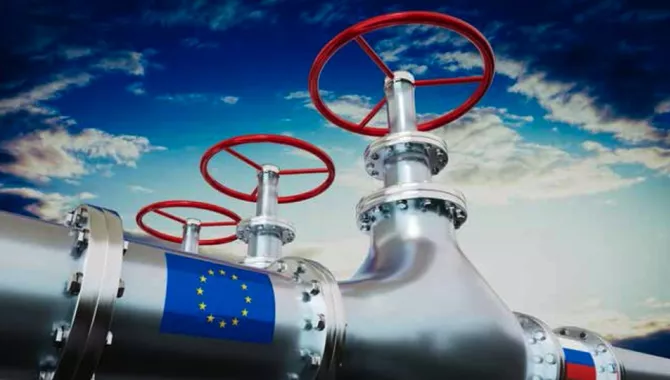
photo: bne IntelliNews
The turning point is clear. Europe’s reliance on Russian energy and transit collapsed after 2022. China’s northern routes through Russia and Belarus became politically contaminated. Southern maritime routes, once considered secure, are now disrupted by Houthi attacks in the Red Sea, piracy risks, and geopolitical tensions around chokepoints stretching from the Gulf of Aden to the Strait of Hormuz and even the eastern Mediterranean. Under these pressures, Europe has had to seek an alternative corridor that is both politically reliable and economically viable. Increasingly, the answer is Azerbaijan.
Azerbaijan’s value lies in its geography, but even more in its political agency. Unlike corridors dependent on a single dominant actor, the Middle Corridor is built on a trilateral balance: Azerbaijan, Georgia, and Central Asia, with Türkiye serving as the gateway to Europe. This configuration reduces the risks of monopolisation and allows the corridor to function even when one regional actor faces instability. For Europe, this is a significant advantage over Russian routes, which collapsed under sanctions, and Iranian routes, which remain exposed to a volatile geopolitical landscape.
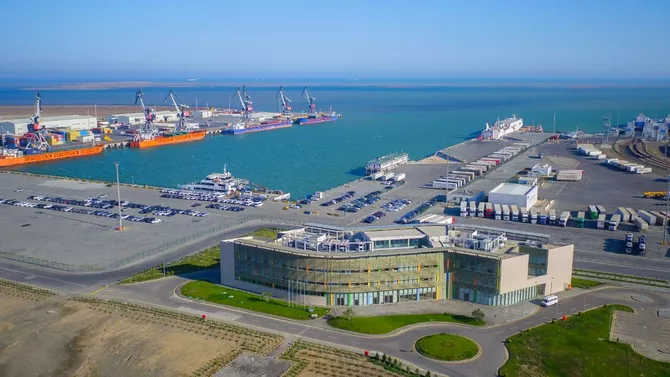
photo: Financial Times
Moreover, Azerbaijan has spent the last decade systematically transforming itself from a mere transit country into a genuine connectivity hub. The expansion of the Baku International Sea Trade Port to a 25-million-ton capacity, the modernisation of the Baku-Tbilisi-Kars railway, and the growing role of the Alat Free Economic Zone are all strategic investments that directly address Europe’s needs. These projects are not symbolic infrastructure upgrades; they form the backbone of a corridor on which Europe increasingly depends for access to Central Asia’s markets, energy resources, and critical raw materials.
The EU’s own priorities also align with Azerbaijan’s ambitions. Europe wants to reduce its dependence on China for critical minerals; Kazakhstan and Uzbekistan hold some of the world’s most significant reserves. Europe wants diversified energy sources; Azerbaijan already supplies the Southern Gas Corridor and is accelerating renewable energy exports from its vast green energy zones in the liberated territories. Europe wants resilient supply chains; the Middle Corridor provides a route that bypasses Russia and Iran entirely. This convergence of needs and capabilities makes Azerbaijan indispensable to Europe’s strategy of building what Brussels calls “de-risked connectivity.”
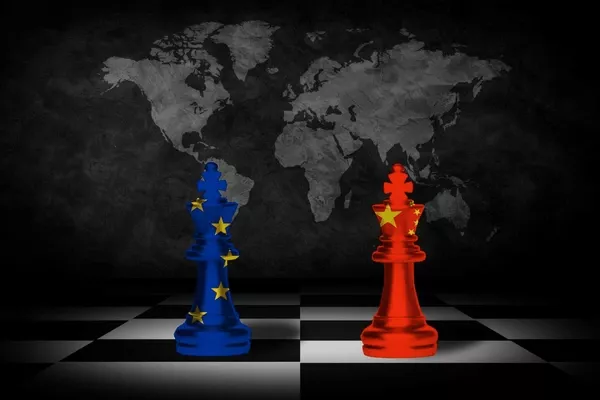
photo: APA
But the strategic importance of the Middle Corridor is also driven by something deeper: the geopolitical transformation of the Caspian Basin. For decades, the Caspian was perceived as a closed, distant space dominated by Russia and Iran. Today, it has become an arena of renewed cooperation centred on transport, energy integration, and digital connectivity. Azerbaijan’s balanced diplomacy - maintaining stable ties with both East and West while deepening economic partnerships with Kazakhstan, Uzbekistan, and Türkiye - has created a political environment where large-scale transport projects can function without being blocked by geopolitical rivalry.
Europe sees this stability as a rare asset. The EU’s Global Gateway initiative, which prioritises secure infrastructure partnerships, identifies the Middle Corridor as one of its flagship projects. Brussels also understands that, in a time of continental uncertainty, relying on Azerbaijan - a country that has demonstrated political consistency, logistical capability, and strategic discipline - carries fewer risks than entrusting connectivity to power centres with revisionist or unpredictable agendas.
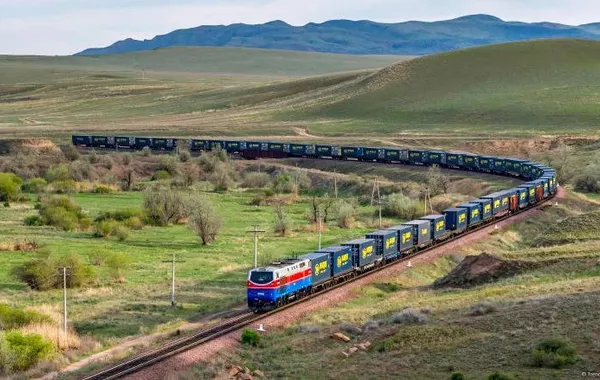
Azerbaijan’s advantage is further reinforced by its ability to deliver results quickly. While the northern corridor collapsed under sanctions and the southern maritime network struggles with conflict-driven disruptions, cargo flows through the Middle Corridor have grown sharply. Baku, Astana, and Tashkent are streamlining customs procedures, harmonising tariffs, and building unified digital platforms that directly address one of Europe’s key concerns: speed.
As multimodal transport becomes the defining feature of global trade, Azerbaijan’s efficient Caspian crossing and modern logistics ecosystem provide Europe with a faster, more cost-effective option for east-west shipments.
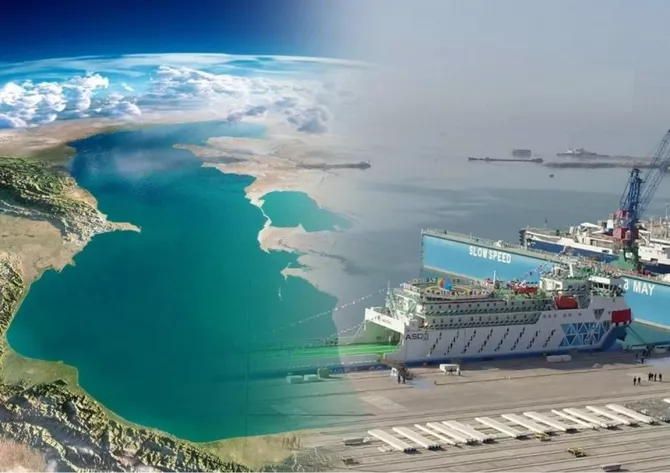
photo: Caliber
Europe’s strategic shift is not merely a reaction to crises. It is an acceptance of a new geopolitical reality: power is decentralising, old corridors are crumbling, and the future of Eurasian connectivity will depend on states capable of stability, diplomacy, and technological modernisation. Azerbaijan fits this profile more than any other actor between the Black Sea and western China.
The Middle Corridor is therefore not just a transport route; it is Europe’s pathway to strategic autonomy in a turbulent world. It gives the continent access to Central Asia without passing through hostile or unstable territories. It strengthens Europe’s partnership with a reliable, sovereign actor in the South Caucasus. And it allows the EU to align its energy, economic, and security interests within a single coherent framework.
In an era of uncertainty, Azerbaijan offers Europe what it needs most: a stable corridor, a predictable partner, and a vision of connectivity capable of withstanding the shocks of a rapidly changing world.