Russia's Sochi Sees Tourist Drop Amid Drone Attacks

photo: GW2RU

Russia's Sochi Sees Tourist Drop Amid Drone Attacks

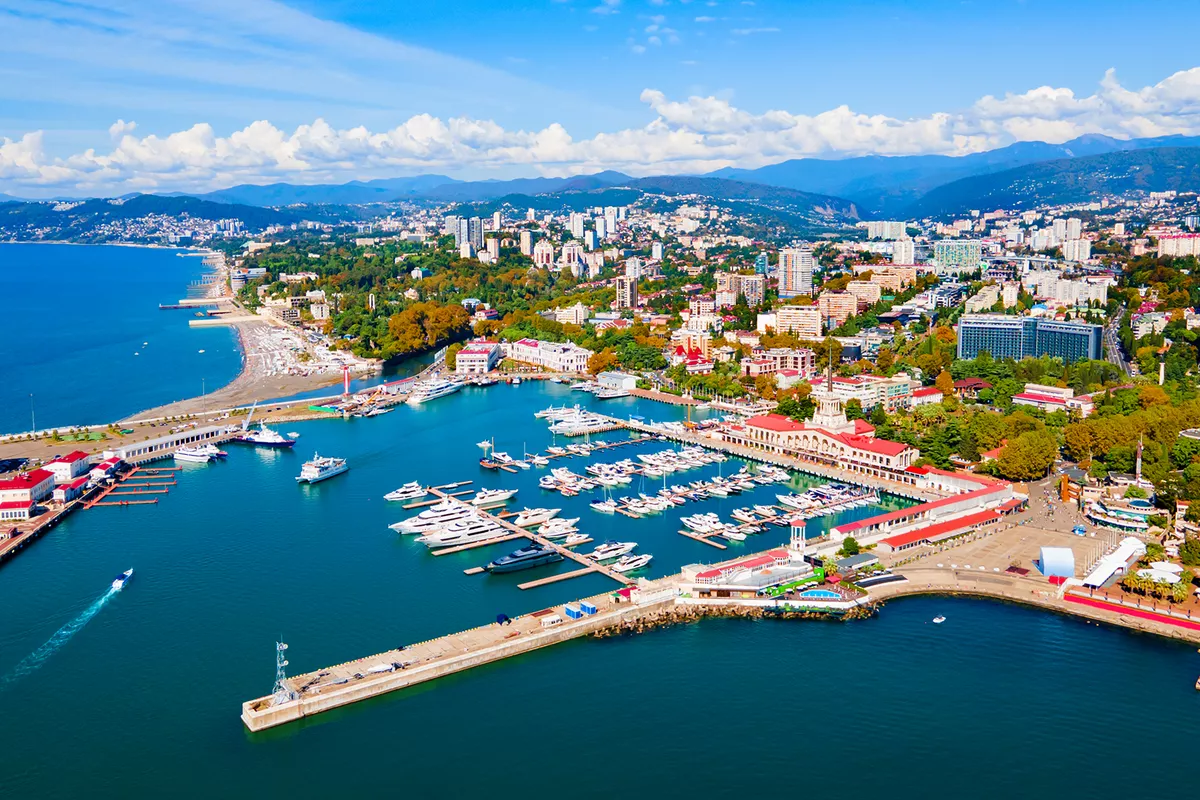
Sochi - often referred to as Russia’s summer capital - is experiencing a noticeable decline in tourist demand as frequent drone attacks disrupt transport links.

Bookings in January-February fell by as much as 30 per cent, with market participants citing worsening transport accessibility due to repeated UAV-related airport restrictions. Sochi is more dependent on air travel than other Black Sea resorts, The Caspian Post reports via Russian media.

Sergey Romashkin, vice president of the Association of Tour Operators of Russia, said tourist interest in Sochi dropped 9 per cent year-on-year in January-February. From February 1 to 24, ticket sales to the resort fell 30 per cent compared to the same period last year and 38 per cent compared to the previous month.

The broader Krasnodar Territory remains one of Russia’s key regional tourism markets, accounting for 14.3 per cent of total hotel sales nationwide, second only to Moscow at 21.6 per cent. Sochi generates 30-35 per cent of Krasnodar Territory’s tourist flow, followed by Anapa (25 per cent), Gelendzhik (15 per cent), and Tuapse (5-7 per cent).

Repeated airport closures have compounded the problem. According to Russia’s aviation authorities, temporary restrictions were imposed five times between February 23-24 alone, disrupting scheduled flights. The Defense Ministry reported that dozens of drones were intercepted over Krasnodar Territory and the Black Sea during that period.

Unlike other resorts, only about 15 per cent of Sochi’s visitors arrive by car, compared to more than half in Anapa. The challenging 170-kilometer Dzhubga-Sochi highway can take up to seven to eight hours to traverse. Train travel is also limited, with scarce tickets and long transit times, particularly for travelers connecting through Moscow.

Related news

Russia's Sochi Sees Tourist Drop Amid Drone Attacks

Sochi - often referred to as Russia’s summer capital - is experiencing a noticeable decline in tourist demand as frequent drone attacks disrupt transport links.