IAEA Unveils Plan to Reclaim Uranium Sites in Central Asia
The International Atomic Energy Agency (IAEA) has released a new strategic master plan outlining continued cooperation with Kyrgyzstan, Tajikistan, Uzbekistan, and international partners on the reclamation of uranium legacy sites in Central Asia through 2030.
The plan aims to ensure long-term safety in areas historically used for uranium mining and processing while minimizing risks to public health and the environment, The Caspian Post reports via Uzbek media.
These legacy sites, which operated from the mid-1940s to the 1990s, were often left without proper closure plans and may contain residual radioactive and toxic materials.
The IAEA Uranium Legacy Sites Coordination Group supports countries in safely managing these locations, assisting to reduce potential impacts on human health and ecosystems. Hildegard Vandenhove, Director of the IAEA’s Radiation, Transport, and Waste Safety Division, noted that the new plan continues the cooperation initiated in 2017, focusing on strengthening legal frameworks, technical solutions, financial mechanisms, and human resources for sustainable and safe site management in line with IAEA standards.
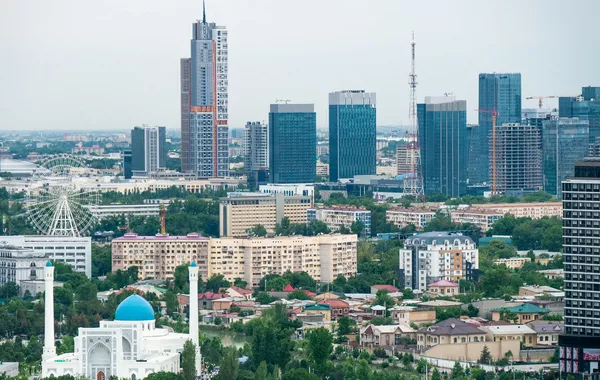
Presented in Tashkent in October 2025, the document will guide the IAEA, international partners, and regional countries in systematic monitoring, technical maintenance, full documentation, and continuous stakeholder engagement to ensure safe and productive land use after reclamation.
Since the 2017 plan, Central Asia has made notable progress: seven uranium legacy sites were prioritized due to high risks to nearby communities and the environment. Four have been fully reclaimed-two in Kyrgyzstan and two in Uzbekistan-returning these areas to safe economic use. Reclamation continues at one of Kyrgyzstan’s largest and most complex sites, expected to be completed by 2032. In Tajikistan, one site has been partially reclaimed, while work at another has yet to begin.
The new strategic plan expands beyond the previous priorities to include lower-risk sites that were not covered in earlier reclamation phases. While posing fewer environmental, social, and economic threats, these sites still require systematic monitoring and long-term management.
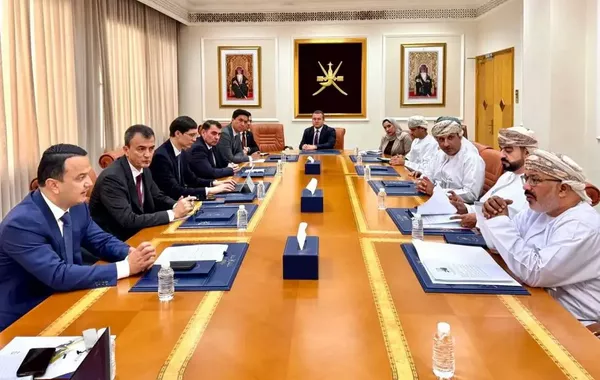
At the signing ceremony, Sardorbek Yakubekov, Deputy Chairman of Uzbekistan’s Committee on Industrial, Radiation, and Nuclear Safety, emphasized that the IAEA Uranium Legacy Sites Coordination Group is a clear example of how international collaboration with a shared goal of protecting people and the environment can deliver tangible, sustainable results.
Since 2012, the IAEA Coordination Group has provided comprehensive support to Central Asian countries, including practical guidance on reclamation strategies, expert missions, and assistance in building institutional capacity and legal frameworks. Members include the IAEA, the European Commission, the Commonwealth of Independent States, the European Bank for Reconstruction and Development, and other international organizations and IAEA member states.