Rosatom Faces Headwinds as Uzbekistan Reassesses Nuclear Plans
Uzbekistan’s long-discussed nuclear ambitions appear to be entering a more cautious phase, as questions mount over the pace and structure of cooperation with Russia’s state nuclear corporation. An analysis published by Eurasianet notes that Rosatom is facing growing headwinds as Tashkent reassesses its nuclear energy plans amid shifting economic priorities, public scrutiny, and a changing geopolitical landscape.
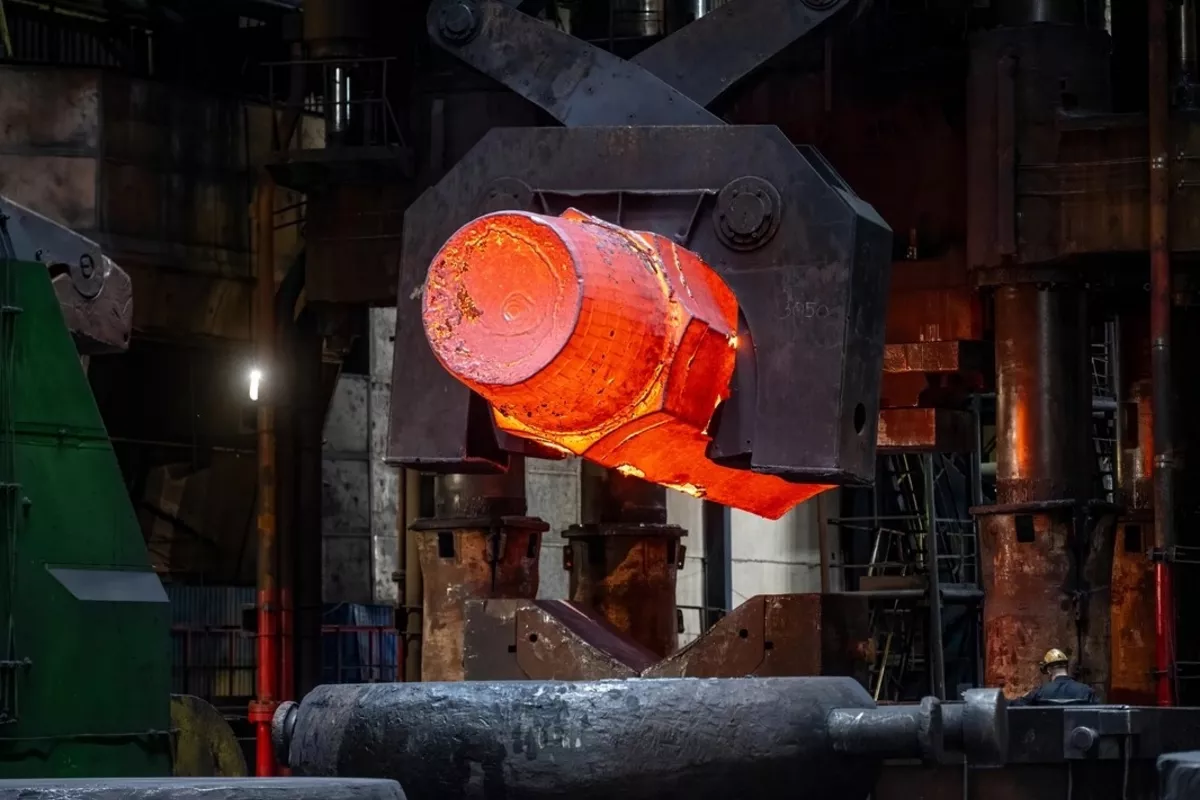
Uzbekistan is pressing pause on the construction of the country’s first nuclear power plant, due to be built by Russia’s atomic energy agency, Rosatom. The pouring of concrete for the facility’s foundation was originally scheduled to begin in March. It has now been pushed back until December at the earliest, The Caspian Post republishes the article.
Uzbek officials are citing technical reasons for the delay, but some financial details also still need to be worked out concerning the supply of nuclear fuel. A statement issued by Uzbekistan’s nuclear energy agency noted: “The first concrete work is a landmark event in the implementation of the project, which will be widely covered. However, we are fully aware of the measure of responsibility and will proceed to this stage only after receiving all the necessary permits and approvals from authorized bodies.” Uzbekistan has contracted with Rosatom to build both large-scale VVER-1000 reactors and smaller RITM-200N models, the first of which is projected to start operating as early as 2029. RITM-200-type reactors have been used to power nuclear icebreakers in the Arctic. The Uzbek versions would be the first deployed on land. The land-based RITM-200 design has not been thoroughly tested. Rosatom is also slated to build Kazakhstan’s first nuclear reactor. But in December, Kazakh officials announced the signing of a deal with the United States to explore the feasibility of deploying US-developed small modular reactors that are cheaper and faster to build than Rosatom reactors.
In case you missed it in the Caucasus…
He may be facing a tough reelection challenge later this year and is currently embroiled in a nasty feud with the leader of the Armenian Apostolic Church, but Armenian Prime Minister Nikol Pashinyan appears to have enough time on his hands for a side gig as a drummer in a band. A somewhat cryptic post on Pashinyan’s official Facebook page indicates that he will be presiding over a dance party on January 30. “I invite you to the dance floor. We play, you dance,” Pashinyan writes in the post, which is accompanied by a graphic of him smiling and keeping the beat behind a drum kit, trying to channel his inner Keith Moon. He gives no indication whether the ‘dance party’ should be considered a campaign event.
The US Chamber of Commerce, in coordination with the Departments of State and Commerce, will lead a business mission to Azerbaijan on February 9-10. The mission aims to “connect U.S. companies directly with senior Azerbaijani government leaders, state-owned enterprises, and major private-sector players across energy, defense, agriculture, digital development, transportation, healthcare, finance, and investment,” according to a Chamber of Commerce statement.
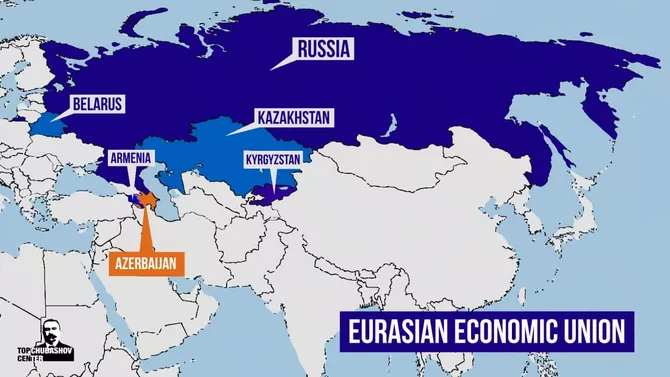
photo: Topchubashov Center
Meanwhile, across the Caspian…
In a sign of dysfunction within the Eurasian Economic Union, Kazakhstan has announced it intends to introduce retaliatory tariffs on Russian and Belarusian automobiles and agricultural vehicles.
Kyrgyzstan’s Ministry of Energy is discussing a deal with an international consortium, including German Consulting Group GmbH, to build three coal-powered electric plants with a total annual generating capacity of just over 1 gigawatt. The project would reportedly involve the use of “clean” coal technologies, according to a government statement. “The use of modern technologies will ensure reliable, environmentally friendly, and uninterrupted electricity generation based on coal,” the statement claims.
Tajikistan seems increasingly serious about embracing renewable energy sources. Abid Malik, the regional chief of Saudi-based ACWA Power, a major renewable energy player, visited Tajikistan to speak with Energy Ministry officials about developing solar farms with a total annual capacity of 1.25 gigawatts. The talks in Dushanbe follow up on discussions held earlier in January in the UAE.
Trump Administration Special Envoy Sergio Gor, along with Secretary of the Army Dan Driscoll, visited Turkmenistan, where they met with the country’s national leader, Gurbanguly Berdimuhamedov, as well as his son Serdar Berdimuhamedov, the president. Statements issued by both sides contained plentiful platitudes concerning “constructive engagement“ and win-win “prosperity and security,” but offered few details on the substance of the discussions. A January 23 report distributed by the official Turkmen TDH news agency offered a tantalizing hint about long-standing economic cooperation. “One of the key areas of partnership is the trade and economic sphere,” the report stated. “For many years, Turkmenistan has been effectively cooperating with major American companies in the implementation of important projects.”
Afghanistan is forging closer economic connections with Central Asian states. The Taliban government’s minister of mining, Hedayatullah Badri, met with the Turkmen envoy in Kabul, Khoja Ovezov, to discuss progress on the construction of the TAPI pipeline, which would enable the export of Turkmen natural gas to Pakistan and India. The two expressed hope that the Serhetabat-Herat section of the pipeline would be finished by the end of 2026. Meanwhile, Uzbek official statistics show that Afghan citizens comprised more than 90 percent of the 447,000 individual visits to Uzbekistan for business purposes in 2025.